How to Transplant Eastern hemlock?
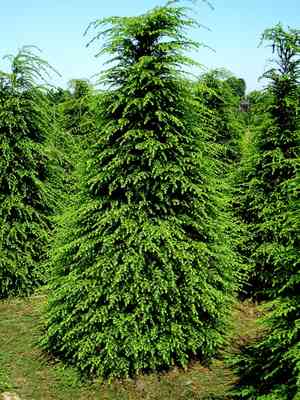
For a successful relocation of eastern hemlock, select the optimal timeframe from late fall through early winter. This duration permits the root system to become anchored prior to the onset of severe climatic conditions. Opt for a site that offers good drainage and ample shade for eastern hemlock, and, if required, adhere to transplanting guidelines to foster robust development.
What Preparations are Needed Before Transplanting Eastern Hemlock?
What is the Ideal Time for Transplanting Eastern Hemlock?
Relocating eastern hemlock, from late autumn through early winter, is optimal. The chilled ground stimulates eastern hemlock's dormant root system, promoting new development with minimal stress. Transplanting during these periods gives them a head start, making them strong and ready to flourish by spring. This precise timing avoids the harsh summer and allows ample time for establishment before frost. You are essentially providing eastern hemlock with an excellent opportunity to thrive, what more could they desire!
How Much Space Should You Leave Between Eastern Hemlock Plants?
When moving eastern hemlock, ensure a spacing of 6-12 inches (15-30 cm) between them. This provides adequate room for growth, while still maintaining a visually appealing density.
What is the Best Soil Mix for Eastern Hemlock Transplanting?
For eastern hemlock, select well-draining soil with a slightly acidic pH, ideally between 5.5-6.5. Incorporate organic matter such as compost to boost nutrient levels, and add a slow-release granular fertilizer, following package directions.
Where Should You Relocate Your Eastern Hemlock?
Find a spot to transplant eastern hemlock that receives partial to full shade, ideally with some filtered sunlight. This will shield them from intense sun and help them flourish.
What Equipments Should You Prepare Before Transplantation Eastern Hemlock?
Gardening Gloves
To protect your hands while handling soil and the plant.
Shovel
Essential for excavating the plant from its original spot and for creating a new hole at the transplant site.
Pruning Shears
May be needed to remove dead or excessive branches before or during the transplanting of eastern hemlock.
Gardening Fork
Useful for loosening the soil around the plant for easier extraction.
Tarp or Wheelbarrow
To move the plant from its old to new location without harming the roots.
Water Hose or Watering Can
To hydrate the plant before, during, and after the transplanting process.
Mulch
To apply around the base of the transplanted eastern hemlock for moisture retention and weed suppression.
How Do You Remove Eastern Hemlock from the Soil?
How Do You Remove Eastern Hemlock from the Soil?
From Ground: First, water the eastern hemlock plant to moisten the soil, making it easier to dig. Using a shovel, excavate a wide trench around the plant, ensuring you go deep enough to encompass the entire root ball. Gently use a gardening fork under the root ball to lift the plant out intact. Place the plant on a tarp or in a wheelbarrow for transport.From Pot: If eastern hemlock is in a container, watering it first will help keep the root ball together. Carefully tip the pot on its side and gently slide the plant out, making sure to support the plant at its base to prevent stem damage.From Seedling Tray: Lightly water the eastern hemlock seedlings and allow drainage to firm up the soil. Carefully remove the plant by pushing from below, if possible, or use a small tool or your fingers to gently lift it from the cell, ensuring stem support.
Step-by-Step Guide for Transplanting Eastern Hemlock
Size of Hole
Dig a hole in the new location that is twice as wide and as deep as the eastern hemlock's root ball. Ensure the hole's sides are loosened for better root development.
Placement
Position the plant in the hole, making sure the top of the root ball is level with the surrounding soil to prevent waterlogging or drying out.
Backfilling
Carefully refill the hole, firming the soil around the root ball.
Watering
Water the plant generously after transplanting. The water helps the soil settle around the roots.
Applying Mulch
Apply a layer of mulch around the plant's base to help retain moisture and prevent weed growth around the new transplant.
How Do You Care For Eastern Hemlock After Transplanting?
Pruning
Trim any broken or diseased parts of the eastern hemlock using pruning shears after transplant. This helps the plant allocate resources to establishing new roots.
Watering
Regularly water the eastern hemlock, keeping it moist but not waterlogged, as this could lead to rot.
Protection
Consider using a temporary shade cloth or windbreak to protect the newly transplanted eastern hemlock for a week or two while it establishes.
Pest and Disease Monitoring
Keep an eye out for signs of pests or diseases on the eastern hemlock. Early detection and treatment can significantly impact your plant's health and recovery.
Troubleshooting Common Issues with Eastern Hemlock Transplantation.
What's the best time to transplant eastern hemlock?
The most suitable period to transplant eastern hemlock is from late fall through the initial phase of winter.
How should I space eastern hemlock for healthy growth?
Ensure you provide a healthy spacing of approximately 6-12 inches (15-30 cm) between each eastern hemlock.
Why are my transplanted eastern hemlock dying?
Ensure you are not planting the eastern hemlock too deeply. The root collar should be at or slightly above the soil surface.
Do I need to prune eastern hemlock during transplantation?
Pruning is not immediately necessary after transplanting eastern hemlock. However, if the plant shows signs of damage or disease, prune as needed.
What kind of soil do eastern hemlock transplant best in?
Eastern hemlock thrive in moist, well-drained, acidic soil. They struggle in nutrient-poor or poorly drained soil.
How often should I water eastern hemlock after transplanting?
Water eastern hemlock thoroughly after transplanting, then maintain moderate soil moisture, being careful not to overwater.
Does eastern hemlock need full sun, partial, or shade?
Eastern hemlock is an adaptable plant that prefers partial shade but can tolerate various light conditions.
What should I do if there's immediate frost after transplanting eastern hemlock?
Eastern hemlock is resilient to frost, but if you are concerned about an unusually severe frost, consider using frost blankets.
Are there any special care tips for eastern hemlock after transplanting?
Environmental stress can be minimized by transplanting in late fall to early winter. Monitoring for pests and diseases also reduces stress.
What's the ideal pH for eastern hemlock to grow well?
Eastern hemlock prefer a slightly acidic pH environment, between 5.5 and 6.5. For balanced growth, maintain the soil pH within this range.



