How to Transplant Garden nasturtium?
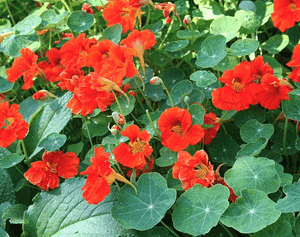
The ideal period for relocating garden nasturtium spans from the end of spring through mid-summer, facilitating peak development and flowering. Select a bright spot with soil that drains effectively for a successful transfer. Be sure to manage garden nasturtium with care, given its fragile root system which is prone to injury.
What Preparations are Needed Before Transplanting Garden Nasturtium?
What is the Ideal Time for Transplanting Garden Nasturtium?
For garden nasturtium, the optimal period for relocation spans from late spring to mid-summer. This timeframe promotes robust development for garden nasturtium.
How Much Space Should You Leave Between Garden Nasturtium Plants?
For garden nasturtium, it's advisable to maintain a spacing of approximately 8-12 inches (20-30 cm) between individual plants. This provides ample room for their growth and flourishing!
What is the Best Soil Mix for Garden Nasturtium Transplanting?
To prepare the soil for garden nasturtium, select a well-draining, light, and slightly acidic to neutral soil blend. Incorporate a slow-release, balanced fertilizer to supply essential nutrients for their growth and development.
Where Should You Relocate Your Garden Nasturtium?
Select a sunny location for your garden nasturtium transplant, as they thrive in full sun or partial shade. Aim for a spot that receives at least 6 hours of sunlight daily to ensure your plants remain healthy and content.
What Equipments Should You Prepare Before Transplantation Garden Nasturtium?
Hand Trowel
It is perfect for excavating small holes for transplanting and loosening soil around root systems.
Garden Shovel
To dig the planting hole in the ground.
Gardening Gloves
To safeguard your hands while handling soil and garden nasturtium.
Watering Can or Hose
To hydrate the garden nasturtium before and after its relocation.
Mulch
It will aid in retaining soil moisture after the transplant.
Compost
High-quality compost is crucial for nourishing the garden nasturtium following transplantation.
How Do You Remove Garden Nasturtium from the Soil?
How Do You Remove Garden Nasturtium from the Soil?
From Ground: If your garden nasturtium is in the ground, first, thoroughly water the plant a day prior to transplanting to minimize shock and prepare for the move. Then, using a hand trowel, carefully dig around the plant, maintaining a generous distance to avoid damaging the root system. Gradually work the trowel beneath the plant to lift it out, keeping the root ball intact.From Pot: If the garden nasturtium is in a pot, water it well the day before transplanting. Gently press on the pot's sides to loosen the soil and carefully invert the pot while supporting the plant's base. Avoid pulling the plant to prevent root damage. The plant will gradually slide out.From Seedling Tray: For seedlings in a tray, water them thoroughly before transplanting. Gently separate each seedling, being careful not to harm the delicate roots, then lift the seedling out with a spoon or small tool, retaining as much soil with the roots as possible.
Step-by-Step Guide for Transplanting Garden Nasturtium
Preparation
Ensure the new site for your garden nasturtium is ready before moving it. Dig a hole at the new spot that's approximately twice the size of the root ball. Sprinkle some compost at the bottom of the hole for added nutrients.
Transplanting
Carefully place the garden nasturtium into the hole. Backfill the hole with soil, gently firming it around the plant's base. The garden nasturtium should be planted at the same depth as it was previously to prevent stem rot.
Watering
Water thoroughly immediately after transplanting. This helps the soil settle around the roots and reduces transplant shock.
Mulching
Apply a layer of mulch around the plant. This aids in moisture retention and weed suppression.
How Do You Care For Garden Nasturtium After Transplanting?
Watering
After relocating the garden nasturtium to its new spot, keep the soil consistently moist. Regular irrigation is vital, especially in the initial weeks post-transplanting, to establish robust roots. Avoid overwatering as it can lead to root rot.
Checking for Pests
Closely monitor your garden nasturtium for any indications of pest infestations or diseases after the transplant. If you observe anything unusual, identify the problem and address it appropriately.
Pruning
If your garden nasturtium has sustained any damage during the transplant, prune back any affected leaves or stems. This will help the plant prioritize new growth and recover more quickly.
Fertilizing
After about a month, you can begin a regular feeding regimen using a balanced fertilizer to encourage growth and flowering of your garden nasturtium.
Troubleshooting Common Issues with Garden Nasturtium Transplantation.
When is the best time to transplant garden nasturtium?
The optimal period to relocate garden nasturtium is during the latter part of spring through mid-summer.
What is the ideal spacing for garden nasturtium when transplanting?
Provide your garden nasturtium ample room to flourish. The recommended spacing is 8-12 inches (20-30 cm) apart.
Why are the leaves of my transplanted garden nasturtium turning yellow?
Yellowing foliage may signal overwatering or a nutrient deficiency. Assess your soil's moisture levels and nutrient balance.
How deep should I plant garden nasturtium when transplanting?
Just deep enough so that the root ball is covered. Garden nasturtium does not require a particularly deep hole.
What should I do if my transplanted garden nasturtium isn't flowering?
Garden nasturtium thrives in sunlight! Ensure it receives sufficient sun exposure. Also, check the nutrient balance in the soil.
Can garden nasturtium be transplanted into a pot?
Absolutely! Make sure the pot is large enough to accommodate the mature plant and has adequate drainage.
Why is my transplanted garden nasturtium wilting or drooping?
Wilting garden nasturtium might not be receiving enough water. Remember, consistent but moderate watering is crucial for garden nasturtium.
How can I prevent root shock when transplanting garden nasturtium?
Avoid disturbing the root ball as much as possible during transplantation. Carefully remove it from its current location to minimize damage.
Why are the leaves of my garden nasturtium plant getting spotty after transplanting?
Spotted leaves can indicate a fungal infection or pest infestation. Check for signs of pests and consider a fungicide treatment.
What should I do if the transplanted garden nasturtium starts dying?
Identify the problem: check watering, sunlight, temperature, nutrients. Once you pinpoint the issue, initiate the necessary actions immediately.



