How to Transplant Bloody butcher?
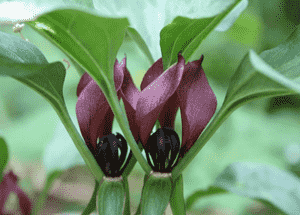
For optimal development, the most suitable period to relocate bloody butcher is from the gentle warmth of late spring through early summer. Preferred sites provide partial to moderate shade and feature fertile, damp earth. Exercise caution with bloody butcher's fragile root structure during the transplanting process.
Preparations Required Before Relocating Bloody Butcher?
Optimal Period for Transplanting Bloody Butcher?
The best time to move bloody butcher is from late spring to early summer. This timeframe offers consistent temperatures and sufficient rainfall, aiding in robust root establishment and minimizing stress for bloody butcher. Moving bloody butcher then leverages the active growth phase, providing the best chance for smooth adaptation and vigorous development. The milder climate during this period supports bloody butcher's transition, making it an opportune moment for gardeners to ensure successful relocation.
Recommended Spacing Between Bloody Butcher Plants?
When transplanting your bloody butcher, it's wise to provide each plant with adequate personal space. Approximately 1-2 feet (30.5-61 cm) apart usually works well. This spacing allows them ample room to grow without competing for resources.
Ideal Soil Mixture for Bloody Butcher Transplanting?
Your bloody butcher will thrive in rich, well-drained soil. Incorporate compost to create a loamy soil abundant in organic matter for optimal outcomes. Remember to prepare the base with a balanced fertilizer to give them a healthy start.
Where to Replant Your Bloody Butcher?
Selecting the correct spot is vital for your bloody butcher! These plants prefer some shade, so locate an area in your garden that receives partial to full shade. This way, they can enjoy sunlight without excessive exposure. Happy gardening!
Equipment Needed Before Transplanting Bloody Butcher?
Gardening Gloves
To safeguard your hands while handling soil and the bloody butcher plant.
Shovel or Garden Spade
For excavating holes and extracting the plant from its initial position.
Watering Can
To moisten the soil, facilitating removal, and to hydrate the bloody butcher plant post-transplant.
Wheelbarrow or a sturdy Bucket
Utilize this to transport the bloody butcher plant to its new site without risk of damage.
Garden pruners
To trim any dead or damaged parts of the bloody butcher after the transplant.
How to Extract Bloody Butcher from the Soil?
How to Extract Bloody Butcher from the Soil?
From Ground: First, water the bloody butcher plant to moisten the soil. This eases removal and lessens any stress the plant might experience during extraction. Using a shovel or garden spade, dig around the plant, leaving a generous margin to ensure the entire root system is lifted intact. Carefully raise the bloody butcher plant from the ground and place it in a bucket or wheelbarrow for transport.From Pot: Water the pot thoroughly, then turn it sideways, gently tapping the bottom and sides to loosen the root system. Carefully remove the bloody butcher plant by holding it at the base of the stem, never by pulling the top.From Seedling Tray: Loosen the soil in the seedling tray with a dibbler or a pencil. Gently grasp the bloody butcher seedling at the base of the stem and carefully lift it from the tray. Remember to handle the seedling delicately to prevent damage.
Step-by-Step Guide for Transplanting Bloody Butcher
Preparing the Space
Dig a hole twice as wide and slightly deeper than the bloody butcher's root ball. Ensure ample space to prevent overcrowding.
Transferring the Plant
Position the bloody butcher plant in the center of the hole, setting it at the same depth it was previously growing. Then backfill the hole with the original soil.
Tamp and Water
Lightly compact the soil around the base of the bloody butcher to eliminate air pockets. Afterward, water the plant thoroughly.
Mulching
Apply a 2-3 inch layer of mulch around your plant, ensuring it doesn't touch the stem. This helps retain moisture and suppress weeds.
Post-Transplant Care for Bloody Butcher?
Watering
Maintain consistent moisture in the soil around the bloody butcher, avoiding sogginess, for the initial weeks after transplanting. This aids bloody butcher in establishing itself in its new location.
Pruning
Remove any dead or damaged leaves and stems using garden pruners. If the bloody butcher plant requires a slight trim post-transplant, this allows the plant to direct energy towards new growth.
Monitoring
Regularly inspect the bloody butcher for signs of transplant shock, such as wilting, yellowing leaves, or stunted growth. If observed, reduce direct sunlight exposure and be cautious not to overwater.
Troubleshooting Common Issues with Bloody Butcher Transplantation.
What is the optimal season to transplant bloody butcher?
The best period to transplant bloody butcher is during season S3-S5. This typically spans from late summer to early winter in most regions.
How much distance should I maintain between bloody butcher plants when transplanting?
For healthy development, allow 1-2 feet (30-60 cm) between each bloody butcher. This provides them with adequate room to grow and flourish.
Can I transplant bloody butcher into a container?
Certainly! However, ensure the container is sufficiently deep to accommodate bloody butcher's root system. A depth of 10 inches (25 cm) or more is ideal.
Is it possible to transplant bloody butcher during the height of summer?
Transplanting bloody butcher during peak summer is not recommended. The late summer to early winter period (S3-S5) is more favorable for this plant.
What kind of soil is best for transplanting bloody butcher?
Bloody butcher thrives in well-drained soil enriched with organic matter. Ensure the soil is loose and not compacted for easy root development.
How should I water bloody butcher after transplanting?
Water bloody butcher generously after transplanting, ensuring deep saturation to reach the roots. Keep the soil consistently moist, but avoid waterlogging.
What's the best light exposure for bloody butcher after transplanting?
Bloody butcher prefers partial to full shade. Excessive direct sunlight can harm the plant. Choose a location with ample shade for optimal results.
Why is my transplanted bloody butcher wilting?
Wilting can stem from transplant shock or insufficient watering. Ensure bloody butcher is adequately watered and situated in appropriate light conditions.
What should I do if the transplanted bloody butcher isn't growing?
Check bloody butcher's light exposure and watering routine. The plant might also be root-bound. Consider repotting it into a larger container.
Should I fertilize bloody butcher immediately after transplanting?
It's advisable to refrain from fertilizing bloody butcher immediately after transplanting. Wait a few weeks, then apply a slow-release fertilizer around the plant's base.



