How to Transplant Purpletop tridens?
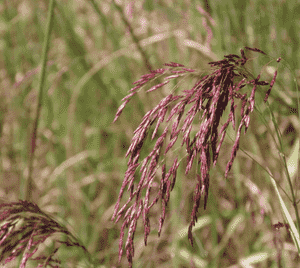
Transplanting purpletop tridens is most effective from the end of spring through mid-summer, a timeframe conducive to strong root development. Choose a sunny location featuring soil that drains efficiently. If feasible, guarantee regular watering following transplantation to aid in its establishment.
What Preparations are Needed Before Transplanting Purpletop Tridens?
What is the Ideal Time for Transplanting Purpletop Tridens?
The perfect window for relocating purpletop tridens spans from the vigor of late spring through the warmth of mid-summer. This period aligns with optimal ground temperatures and consistent moisture levels, crucial for root development and the plant's recovery after moving. Ensuring roots have ample time to settle before colder months arrive is vital. Moving purpletop tridens during this active growth phase leverages the plant's natural cycle, fostering strong development and promising a vibrant display in your garden.
How Much Space Should You Leave Between Purpletop Tridens Plants?
When getting ready to move your purpletop tridens, aim for a comfortably spacious spot for each specimen. An interval of 12 inches (30 cm) to 3 feet (91 cm) between them would be optimal. This will allow each purpletop tridens to spread its foliage and flourish without competing with its neighbors.
What is the Best Soil Mix for Purpletop Tridens Transplanting?
For your purpletop tridens, you'll want to prepare a well-draining soil blend rich in organic material. Incorporate some balanced, slow-release fertilizer to give your newly transplanted plants a strong start. This will aid your purpletop tridens in developing robust roots and thriving.
Where Should You Relocate Your Purpletop Tridens?
Your purpletop tridens will thrive in a sunny location that receives at least 6 hours of direct sunlight daily. Select a spot that is bright but also offers protection from intense, midday sun, especially in hotter climates. A bit of afternoon shade will keep your purpletop tridens content!
What Equipments Should You Prepare Before Transplantation Purpletop Tridens?
Gardening Gloves
To safeguard your hands while handling soil and plants.
Shovel or Spade
For excavating the plant and preparing its new site.
Garden Trowel
Useful for smaller digging tasks or refining the planting hole.
Watering Can or Hose
For hydrating the plant before and after its relocation.
Pruning Shears
To trim any dead or damaged roots and leaves.
Wheelbarrow or Garden Cart
For moving the plant and any necessary soil amendments.
Stakes or Plant Supports
To stabilize purpletop tridens if needed after transplanting.
Mulch
To apply around the base of purpletop tridens post-transplant for moisture retention and weed suppression.
How Do You Remove Purpletop Tridens from the Soil?
How Do You Remove Purpletop Tridens from the Soil?
From Ground: First, moisten the soil around the purpletop tridens plant. Then, dig a wide trench around the plant using a shovel or spade, ensuring the plant's root ball remains intact. Carefully work the spade beneath the root ball to lift the plant from its original spot.From Pot: Gently tap the pot's sides to loosen the soil. Invert the pot while supporting purpletop tridens at its base, and carefully slide the plant out. If it resists, use a trowel along the pot's inner edge to help release it.From Seedling Tray: Water the seedlings first to dampen the soil. Use a garden trowel or a dibble to gently lift the seedling from its cell, taking care not to harm the root ball.
Step-by-Step Guide for Transplanting Purpletop Tridens
Digging the Hole
Excavate a hole that is twice as wide and the same depth as the root ball of purpletop tridens. This ample space will facilitate root expansion.
Preparing the Plant
Before relocating, gently trim away any damaged roots or foliage from purpletop tridens to encourage healthy growth.
Placing purpletop tridens
Position purpletop tridens in the center of the hole, ensuring it stands upright and the top of its root ball is level with the surrounding soil surface.
Backfilling
Gradually refill the hole with soil, gently firming it around the roots of purpletop tridens to eliminate air pockets. Do not plant it deeper than its original growing depth.
Watering
Immediately after planting, thoroughly water purpletop tridens to settle the soil and provide moisture to its roots.
Staking
If purpletop tridens appears unstable or top-heavy in its new spot, insert stakes around the plant and loosely tie it for support.
Mulching
Apply a 2-3 inch layer of mulch around the base of purpletop tridens, keeping it a few inches away from the stem to prevent rot.
How Do You Care For Purpletop Tridens After Transplanting?
Stabilizing
Periodically check the stakes and supports, ensuring they are secure but not too tight against purpletop tridens.
Watering Routine
Establish a consistent watering schedule to maintain steady moisture around purpletop tridens, adjusting for rainfall and temperature changes.
Monitoring Growth
Observe purpletop tridens's growth and development, looking for new leaves or stems as indicators of successful transplanting.
Adjusting Mulch
Replenish mulch as needed to maintain adequate thickness, which aids in retaining soil moisture and controlling weeds.
Troubleshooting Common Issues with Purpletop Tridens Transplantation.
Why is my purpletop tridens wilting after transplanting?
Wilting can occur if the roots are excessively disturbed during transplanting. Ensure gentle handling of the root ball and provide ample water post-transplant.
How much space does purpletop tridens need when transplanting?
For optimal growth, aim to space purpletop tridens at intervals of 12 inches to 3 feet (30 cm to 91 cm) apart, depending on the desired density.
When's the best time to transplant purpletop tridens?
The ideal time to transplant purpletop tridens is during its active growing season, specifically from late spring to mid-summer, when the plant is most resilient.
What's the ideal soil for transplanting purpletop tridens?
Transplant purpletop tridens into well-draining soil enriched with organic matter to ensure healthy growth and root establishment.
Why are my purpletop tridens leaves turning yellow after transplanting?
Yellowing leaves could indicate overwatering, underwatering, or shock. Adjust your watering schedule and allow the plant time to acclimate.
How deep should I plant purpletop tridens during transplanting?
Plant purpletop tridens so that the top of the root ball is level with the soil surface, neither buried too deep nor exposed.
Can I fertilize purpletop tridens right after transplanting?
Wait a few weeks before fertilizing to allow purpletop tridens to establish. Then, apply a balanced fertilizer sparingly to avoid root burn.
How often should I water purpletop tridens after transplanting?
Initially, water purpletop tridens generously to help roots settle. Afterward, maintain consistent moisture, but avoid waterlogging the soil.
Should I prune purpletop tridens when transplanting?
Prune only damaged or dead parts to reduce stress. Allow purpletop tridens to focus on root establishment rather than recovering from extensive pruning.
What to do if purpletop tridens doesn't seem to grow post-transplant?
Be patient, as purpletop tridens might experience transplant shock. Ensure proper care with the right watering, sunlight, and soil conditions, and growth should resume.



