How to Transplant Snake gourd?
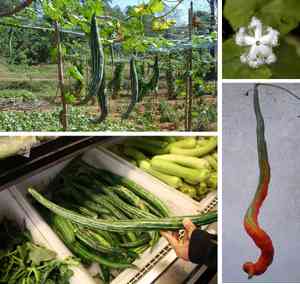
For snake gourd, the ideal period for transplanting is from early to late spring, leveraging the season's mild weather which aids in root development. Select a location with abundant sunlight and sufficient room for expansion, amending the soil as needed, for this vigorously climbing annual.
What Preparations are Needed Before Transplanting Snake Gourd?
What is the Ideal Time for Transplanting Snake Gourd?
The optimal period for relocating snake gourd spans from early spring's awakening to the approach of summer. Moving snake gourd during this timeframe encourages vigorous development due to mild temperatures and consistent daylight, providing your snake gourd with an excellent start. Ensuring the transfer within this window means your snake gourd will establish itself well before the summer heat, maximizing its growth potential and yield. A timely transplant sets snake gourd up for success, utilizing the gentle spring weather for a season of lush, healthy vines.
How Much Space Should You Leave Between Snake Gourd Plants?
When moving your snake gourd, allow ample room for expansion by spacing them 4-6 feet (1.2-1.8 meters) apart. This promotes sufficient air circulation and growing space!
What is the Best Soil Mix for Snake Gourd Transplanting?
Prepare a fertile, well-draining soil by incorporating a generous amount of organic compost. A balanced fertilizer will give your snake gourd an excellent beginning. Aim for a 5-10-10 NPK blend before planting.
Where Should You Relocate Your Snake Gourd?
Select a sunny location for your snake gourd that receives a minimum of 6 hours of daily sunlight. A south-facing position is perfect to provide your plants with the warmth and light they prefer!
What Equipments Should You Prepare Before Transplantation Snake Gourd?
Gardening Gloves
To safeguard your hands while handling soil and plants.
Trowel
For digging and moving the seedling without harming its roots.
Spade or Shovel
To excavate holes in the ground for planting the seedling.
Watering Can or Hose
To gently hydrate the plant after relocation.
Pruning Shears
To trim any dead or damaged plant parts.
Garden Fork
To loosen the soil around the plant prior to removal.
Wheelbarrow
To transport seedlings or soil.
Plant Support Stakes
To offer structural aid for the developing snake gourd.
Soft Ties or Twine
To secure the snake gourd to the stakes without causing injury.
How Do You Remove Snake Gourd from the Soil?
How Do You Remove Snake Gourd from the Soil?
From Ground: Hydrate the snake gourd plant to moisten the soil. Use a garden fork to loosen the earth surrounding the plant. Carefully work a spade or shovel around the plant to create a wide perimeter, ensuring the root system remains intact. Gradually maneuver the tool beneath the root ball, and gently lift the snake gourd from the ground.From Pot: Start by watering the snake gourd to ensure the soil is damp, which will facilitate the removal process. Tilt the pot on its side and gently tap or squeeze it to dislodge the plant. Use your hands or a trowel to help guide the plant out, making sure to support the root ball as it separates from the pot.From Seedling Tray: Water the tray to keep the roots hydrated. Use a trowel or your fingers to gently loosen the soil around the base of the seedling. Carefully lift the snake gourd from the tray while supporting the root ball to avoid disturbing the root system.
Step-by-Step Guide for Transplanting Snake Gourd
Preparation
Gather all necessary tools and supports before commencing the transplanting procedure.
Removal
Follow the appropriate removal method based on whether the snake gourd originates from the ground, a pot, or a seedling tray.
Hole Digging
Excavate a hole in the ground that is twice as wide and of the same depth as the snake gourd's root ball to ensure ample space for root expansion.
Positioning
Carefully place the snake gourd in the center of the hole. The top of the root ball should be level with the ground surface.
Plant Support
Immediately insert plant support stakes near the snake gourd if needed and loosely secure the plant to the stakes using soft ties or twine to help it remain upright.
Filling the Hole
Gently backfill the hole with soil around the root ball. Lightly press the soil down to eliminate air pockets without excessive compaction.
Watering
Thoroughly water the snake gourd after transplanting to settle the soil around the roots and provide moisture.
Mulching
Apply a layer of mulch around the base of the snake gourd, maintaining some distance from the stem to prevent rot and aid in retaining soil moisture.
How Do You Care For Snake Gourd After Transplanting?
Watering
Ensure the soil around the snake gourd remains moist but not waterlogged. A deep watering once a week is usually sufficient, though this may vary with weather conditions.
Staking
Regularly check the stakes and ties for tightness, and adjust as necessary to accommodate growth and prevent harm to the snake gourd.
Monitoring
Observe the snake gourd for indications of stress, such as wilting or discoloration. Address any issues promptly.
Trimming
Prune any dead or damaged foliage using pruning shears to encourage healthy growth and air circulation.
Weeding
Remove weeds around the snake gourd regularly to prevent competition for nutrients and water.
Troubleshooting Common Issues with Snake Gourd Transplantation.
What's the best time to transplant snake gourd seedlings outdoors?
Transplant snake gourd once the risk of frost has passed, ideally during the pleasant days of early to late spring.
How much space should I leave between snake gourd plants?
Space snake gourd seedlings approximately 4-6 feet (1.2-1.8 meters) apart to provide them with ample room to thrive.
How do I prepare the soil for snake gourd transplantation?
Enrich the soil with well-decomposed compost or manure to ensure a fertile planting bed for snake gourd.
What are the signs of overwatering snake gourd after transplanting?
Wilting, yellowing leaves, and saturated soil indicate you might be providing snake gourd with too much water.
How should I water snake gourd post-transplant?
Water snake gourd deeply but infrequently, allowing the soil to dry out slightly between watering sessions.
How much sun does snake gourd need after being transplanted?
Position snake gourd in full sun, where they receive at least six hours of direct sunlight daily.
Why are my transplanted snake gourd seedlings wilting?
Wilting could be due to transplant shock, insufficient watering, or a heatwave. Gradually acclimate snake gourd before transplanting.
Can snake gourd be transplanted on a cloudy day?
Yes, overcast conditions can lessen stress, making it an opportune time to transplant snake gourd.
How do I protect transplanted snake gourd from pests?
Utilize row covers or organic pesticide sprays, and encourage beneficial insects that prey on common snake gourd pests.
What should I do if transplantation stunts snake gourd's growth?
Check for root-bound plants, ensure proper nutrition and spacing, and that snake gourd aren't experiencing environmental stress.



