How to Transplant Common salsify?
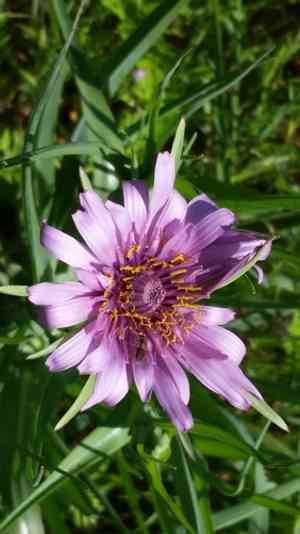
The optimal period for transplanting common salsify extends from the revitalizing warmth of late spring into the early summer season, fostering vigorous development. Choose a location bathed in sunlight featuring soil that drains effectively, and if necessary, amend it with organic material to accommodate common salsify's root system.
Essential Preparations Before Relocating Common Salsify
Optimal Period for Transplanting Common Salsify
The best time to move common salsify is when days lengthen and frost departs, typically from late spring's awakening to the start of summer. This timing capitalizes on mild weather, allowing common salsify's roots to establish without the strain of summer heat or winter cold. This schedule promotes vigorous growth for your common salsify, leading to a bountiful bloom the following year.
Required Spacing Between Common Salsify Plants
When moving your common salsify, select a suitable garden spot with ample room. Aim for a separation of approximately 12 inches (30 cm) to 3 feet (91 cm). This ensures each common salsify can thrive without competing for nutrients or sunlight.
Ideal Soil Blend for Common Salsify Transplanting
Prepare a well-draining soil bed for your common salsify by incorporating organic compost. A mild, balanced fertilizer, such as a 10-10-10 (N-P-K) mix, is perfect for giving your common salsify a strong start. Apply it according to package instructions before planting.
Choosing a New Location for Your Common Salsify
Select a sunny location for your common salsify, ideally where it will receive full sunlight for most of the day. This sun-loving plant flourishes with at least 6 hours of direct sun, so an open area away from larger plants or shade sources is optimal.
Tools Required Before Transplanting Common Salsify
Gardening Gloves
To safeguard your hands while handling soil and the plant.
Spade or Shovel
For excavating around and beneath the common salsify plant.
Garden Fork
To assist in loosening soil around the roots during extraction.
Watering Can or Hose
To hydrate the common salsify both before and after relocation.
Wheelbarrow
For moving the common salsify and soil if necessary.
Pruning Shears
To trim any damaged roots or foliage.
Support Stakes and Ties
To help the common salsify remain upright in its new spot if needed.
Method for Extracting Common Salsify from Soil
Method for Extracting Common Salsify from Soil
From Ground: First, moisten the common salsify's soil with water to facilitate digging. Carefully excavate a wide circle around the plant using a spade or shovel to avoid root damage. Gradually deepen and angle the trench towards the plant to form soil cones beneath the root ball. Gently lift the common salsify onto a wheelbarrow for transport.From Pot: Begin by watering the common salsify to ease its removal. Tilt the pot sideways and gently tap its sides and bottom to loosen the soil. While supporting the common salsify with one hand, carefully slide it out. Inspect the root ball and untangle any circling roots before moving it to its new location.From Seedling Tray: Water the seedlings to dampen the soil, which aids in their extraction. Use a garden fork or similar tool to lift the common salsify seedlings individually, taking care not to harm the delicate roots.
Step-by-Step Guide for Relocating Common Salsify
Preparation
Prepare the new planting site by loosening the soil. Ensure the hole is twice as wide and the same depth as the common salsify's root ball. Amend with organic matter if needed for improved soil structure.
Root Pruning
Inspect the common salsify's root ball and trim any broken or excessively long roots with your pruning shears. This promotes new root development after transplanting.
Placing the Plant
Position the common salsify into the prepared hole, making sure the top of the root ball is level with the surrounding soil surface. Adjust the common salsify's orientation to your preference.
Soil Refilling
Carefully backfill the hole with the excavated soil, gently patting around the root ball to remove air pockets. Water thoroughly to settle the soil and provide moisture to the roots.
Staking
If the common salsify is tall or top-heavy, insert support stakes into the ground next to the root ball and lightly tie the plant for stability until it establishes.
Final Touches
Apply a layer of mulch around the base of the common salsify to help retain moisture and regulate soil temperature.
Post-Transplant Care for Common Salsify
Stabilizing
Inspect and adjust stakes and ties to ensure the common salsify remains stable without undue pressure or restriction.
Monitoring Growth
Observe the common salsify for indications of stress or growth, making adjustments for support or removing any damaged foliage.
Watering Regime
Continue to provide water to the common salsify regularly, allowing the soil to dry slightly between waterings to encourage root development.
Resolving Common Issues with Common Salsify Transplantation
What is the best time to transplant common salsify?
The optimal period for transplanting common salsify is typically from late spring to early summer when temperatures are mild.
What is the recommended spacing for transplanted common salsify?
Space common salsify approximately 12 inches (30 cm) to 3 feet (91 cm) apart to ensure adequate growth room.
Why is my transplanted common salsify wilting after planting?
Wilting may indicate shock. Keep the soil moist and shield it from intense sunlight for a few days.
How deep should the planting holes be for common salsify?
Dig holes as deep as the root ball and twice as wide to accommodate growth.
Is there a specific soil type ideal for transplanting common salsify?
Well-draining, fertile soil rich in organic matter is perfect for common salsify.
How much water does common salsify require after transplanting?
Water generously immediately after transplanting, then maintain consistent moisture without saturating the soil.
Can common salsify be transplanted on a hot day?
It's preferable to transplant common salsify during cooler parts of the day or when it's overcast to prevent stress.
Should I fertilize common salsify after transplanting?
Wait 4-6 weeks before fertilizing to allow common salsify to settle and roots to establish.
What should I do if common salsify leaves turn yellow after transplanting?
Yellow leaves can indicate over-watering or nutrient deficiency. Adjust watering and consider a balanced fertilizer.
Can common salsify be transplanted during flowering?
Transplanting common salsify during flowering might stress the plant. It's best to transplant before or after the flowering period.



