How to Transplant Virginia spiderwort?
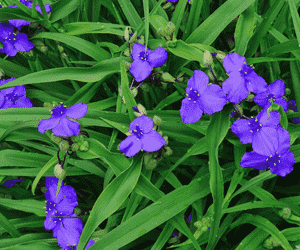
The optimal period for transplanting Tradescantia virginiana, known for its vigorous development and striking flowers, is throughout the sun-filled, warmer months. Select a location offering filtered sunlight and damp, adequately draining earth, replicating the forest margins Tradescantia virginiana naturally favors. Ensure Tradescantia virginiana has ample room to thrive, and observe as it contributes vibrant beauty to your garden's composition.
What Preparations are Needed Before Transplanting Virginia Spiderwort?
What is the Ideal Time for Transplanting Virginia Spiderwort?
The perfect time to move virginia spiderwort is in early spring or after it blooms in the fall. This timing allows virginia spiderwort to establish its root system without the stress of intense summer heat. By choosing these periods, virginia spiderwort will have ample opportunity to adjust before the summer's intensity or winter's dormancy, building a strong base for vigorous growth. Embrace this cycle for a garden full of strength and beauty.
How Much Space Should You Leave Between Virginia Spiderwort Plants?
For healthy development of virginia spiderwort, ensure plants are spaced approximately 2-3 feet (0.6 - 0.9 meters) apart. This provides sufficient room for each plant to expand and thrive without competing for nutrients.
What is the Best Soil Mix for Virginia Spiderwort Transplanting?
Virginia spiderwort prefers well-drained soil, ideally loamy or sandy. Before transplanting, enrich the soil with a balanced, slow-release, granular fertilizer. This preparation will provide nourishment for your virginia spiderwort plant throughout its growth.
Where Should You Relocate Your Virginia Spiderwort?
Select a location with full sun to partial shade for your virginia spiderwort. An area receiving at least 6 hours of sunlight daily would be perfect. This ensures your plant gets the necessary light for photosynthesis.
What Equipments Should You Prepare Before Transplantation Virginia Spiderwort?
Gardening Gloves
To shield your hands from direct soil contact and any sharp tools or objects.
Digging Spade
A robust digging spade is essential for carefully extracting the plant's root system without causing damage.
Gardening Trowel
You'll need this to create a new hole at the destination where you will transplant the virginia spiderwort.
Watering Can
Crucial for hydrating the plant both before and after its relocation.
Wheelbarrow or Large Bucket
To gently transport the virginia spiderwort from its current spot to the new site without harming it.
How Do You Remove Virginia Spiderwort from the Soil?
How Do You Remove Virginia Spiderwort from the Soil?
From Ground: First, water virginia spiderwort thoroughly so the surrounding soil becomes moist, reducing stress on the roots. Then, use a spade to dig a trench around the plant. Be very careful when excavating the roots to keep the root ball intact. Slide your spade under the root ball and gently lift the plant.From Pot: Begin by watering the virginia spiderwort until the potting soil is completely moist. Grasp the plant's stem at its base, and apply gentle pressure to the pot's sides. Then, carefully slide the plant and soil out of the pot.From Seedling Tray: Seedling trays have individual compartments. Simply hold a leaf of the virginia spiderwort and push up from the bottom to remove it from its slot. Do this gently to prevent damage to the delicate roots.
Step-by-Step Guide for Transplanting Virginia Spiderwort
Preparation
After ensuring the root ball is intact and the plant is ready for transplantation, prepare the new planting site. Use a digging spade to create a hole roughly twice the width and the same depth as the virginia spiderwort's root ball.
Placement
Carefully position the virginia spiderwort in the hole. The top of the root ball should be level with the ground's surface. Avoid burying it too deeply.
Backfilling
Begin filling the hole with soil, gently firming it around the virginia spiderwort's root ball. Ensure no large air pockets remain, as roots can dry out and die in these spaces.
Watering
Water the plant thoroughly immediately after transplanting. This helps settle the soil around the roots and aids in establishing contact with the new soil.
How Do You Care For Virginia Spiderwort After Transplanting?
Monitoring
Regularly observe the virginia spiderwort over the next few weeks for any signs of transplant stress such as wilting, yellowing leaves, or slow growth, and seek advice if necessary.
Watering
Water virginia spiderwort consistently, but in moderation, until it is established in its new location. Overwatering can also harm the roots, so balance is key.
Pruning
To encourage new growth, perform a light pruning after the virginia spiderwort has adapted to its new environment. This maintains plant health and can also reduce its water demand, easing stress on the roots.
Mulching
Applying organic mulch around the virginia spiderwort can help retain soil moisture, protect it from extreme temperatures, and suppress weeds.
Troubleshooting Common Issues with Virginia Spiderwort Transplantation.
When is the ideal time to transplant virginia spiderwort?
The optimal period to transplant virginia spiderwort is from late autumn to early winter, typically seasons 4 to 6.
How much space should be left between transplanted virginia spiderwort plants?
Each virginia spiderwort plant should be spaced approximately 2 to 3 feet (60 to 90 cm) apart to allow ample room for growth.
Why are my transplanted virginia spiderwort wilting?
Virginia spiderwort may wilt due to transplant shock, often caused by insufficient water or root damage during relocation. Water regularly and handle roots gently.
What type of soil should virginia spiderwort be transplanted into?
Virginia spiderwort thrives in well-drained, fertile soil rich in organic matter. Ensure the pH is slightly acidic to neutral for optimal growth.
How deep should I plant virginia spiderwort during transplantation?
The virginia spiderwort should be planted at the same depth it was growing in its previous spot, usually about 5-10 inches (12-25 cm) deep.
What do I do if the transplanted virginia spiderwort is not flowering?
If your virginia spiderwort isn't flowering, it might not be receiving enough sunlight. Ensure it gets at least six hours of sunlight daily.
Should I add a fertilizer when transplanting virginia spiderwort?
While not essential, a balanced slow-release fertilizer can help the virginia spiderwort settle in and start strong in its new location.
What's the best way to water virginia spiderwort after transplanting?
Water your virginia spiderwort deeply immediately after transplanting. Continue with regular, thorough watering until the plant is established and shows new growth.
Can I transplant virginia spiderwort in a container?
Absolutely, virginia spiderwort can grow well in containers. Ensure there's enough space for root growth and the container has good drainage.
Why are the leaves of my transplanted virginia spiderwort turning yellow?
Yellowing leaves may indicate overwatering. Make sure your virginia spiderwort is watered properly and the soil drains well to avoid waterlogged conditions.



