How to Transplant Oyster plant?
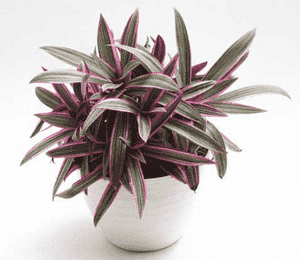
The ideal period for relocating oyster plant is throughout the warmer seasons, generally from the end of spring to the beginning of summer. This timing guarantees peak development and successful adaptation to its new environment. Select a site featuring adequately draining soil and exposure to partial or full sunlight for oyster plant to flourish. Exercise tenderness and caution when transferring this fragile perennial to reduce harm.
What Preparations are Needed Before Transplanting Oyster Plant?
What is the Ideal Time for Transplanting Oyster Plant?
The optimal period for relocating oyster plant spans from late spring to early summer. This timeframe provides mild temperatures and extended daylight, which are beneficial for the oyster plant's root development and overall establishment. A well-timed transplant boosts the plant's resilience, giving the oyster plant a strong start to flourish. Therefore, utilize late spring and early summer to offer your oyster plant the best conditions it requires. Move your oyster plant during these favorable months to enjoy its vibrant growth.
How Much Space Should You Leave Between Oyster Plant Plants?
To allow your oyster plant ample room to develop, ensure they are spaced 12-18 inches (30-46 cm) apart. This spacing enables their roots to spread out and absorb the necessary nutrients.
What is the Best Soil Mix for Oyster Plant Transplanting?
For oyster plant, it's crucial to use soil that drains well, ideally a blend of sandy loam and compost. Simply incorporate some slow-release granular fertilizer, such as a balanced 10-10-10, during soil preparation to guarantee continuous nourishment for your plant.
Where Should You Relocate Your Oyster Plant?
For optimal growth, select a spot with partial sun or dappled shade for your oyster plant. They appreciate some sunlight, but excessive direct exposure can harm their attractive foliage. Aim for approximately 4-6 hours of daily sunlight.
What Equipments Should You Prepare Before Transplantation Oyster Plant?
Gardening Gloves
To safeguard your hands while handling soil and plants.
Shovel or Spade
To aid in digging the transplant hole and extracting the plant from its original spot.
Garden Trowel
To assist in excavating smaller holes and manipulating soil around the plant.
Gardening Fork
To loosen the soil surrounding the plant, facilitating its removal without root damage.
Watering Can or Hose
To hydrate the oyster plant before and after relocation.
How Do You Remove Oyster Plant from the Soil?
How Do You Remove Oyster Plant from the Soil?
From Ground: First, moisten the oyster plant's soil. Then, excavate a wide trench around the plant using a shovel or spade, ensuring the root ball remains intact. Carefully work the spade beneath the root ball to lift the plant from its initial position.From Pot: Hydrate the oyster plant to moisten the soil. Invert the pot, gently slide the entire plant, with its soil, out of the container. Carefully loosen the root ball with your fingers, avoiding root damage.From Seedling Tray: Water the oyster plant seedlings to dampen the soil. Use a garden trowel or your fingertips to carefully dislodge the seedling from its cell, ensuring the root ball stays intact.
Step-by-Step Guide for Transplanting Oyster Plant
Hole Preparation
Dig a hole twice as wide and slightly deeper than the oyster plant's root ball using a shovel or spade. Carefully loosen the soil at the bottom and sides of the hole with a gardening fork.
Plant Positioning
Center the oyster plant in the hole, ensuring the top of the root ball is level with the surrounding ground. If the hole is too deep, add some soil beneath the root ball to elevate it to the correct height.
Filling the Hole
Backfill the hole with soil, incorporating any necessary amendments, and gently firm the soil around the root ball using your hands or the back of the shovel. Ensure no air pockets remain in the soil.
Watering
Thoroughly water the oyster plant after transplanting, allowing the water to reach the roots and settle the soil. Create a small, shallow depression around the plant's base to help retain moisture.
How Do You Care For Oyster Plant After Transplanting?
Watering Schedule
Maintain consistent soil moisture around the oyster plant for the initial weeks post-transplant to encourage strong root development. Avoid excessive watering, as waterlogged soil can lead to root rot.
Mulching
Apply a 2-3 inch layer of organic mulch around the oyster plant's base, keeping it a few inches away from the stem. This will help retain moisture, regulate soil temperature, and suppress weed growth.
Monitoring
Observe the oyster plant for signs of stress or disease, such as wilting, yellowing leaves, or stunted growth. Address any issues promptly by adjusting watering, providing necessary nutrients, or treating pests and diseases as required.
Troubleshooting Common Issues with Oyster Plant Transplantation.
What is the best time of year for transplanting oyster plant?
Late spring to early summer is the ideal period for transplanting oyster plant. The mild weather ensures the plant isn't stressed by intense heat or cold.
How much space does oyster plant need when being transplanted?
Oyster plant requires ample room for healthy growth. Ensure a gap of about 12-18 inches (30-45 cm) between each plant. Proper spacing promotes growth and prevents overcrowding.
What type of soil is best for transplanting oyster plant?
Oyster plant thrives in well-drained, fertile soil. It tolerates various soil types but performs best in loamy or sandy soils. A soil pH between 6.0 and 6.5 is preferred.
Do I need to water the oyster plant immediately after transplanting?
Absolutely! Watering oyster plant right after transplantation helps to settle the soil around the plant and aids in quicker adaptation to the new environment.
How deep should I plant oyster plant root ball when transplanting?
When transplanting oyster plant, keep the root ball at the same depth as it was in its original container. This prevents stem rot and promotes healthy growth.
How to care for oyster plant after transplanting?
After transplanting, water oyster plant regularly until it's established. Also, apply a layer of mulch around but not touching the plant to keep the root temperature consistent.
Do I need to prune oyster plant after transplanting?
Yes, pruning oyster plant after transplantation encourages bushier growth. However, avoid heavy pruning immediately after transplanting; give it some time to adjust in the new place first.
Should I fertilize oyster plant right after transplanting?
Wait until new growth appears before applying fertilizer. Then, lightly fertilize oyster plant with a balanced plant food, following product instructions for the correct applications.
Can I transplant oyster plant in a pot initially?
Of course! Pot transplantation is a great idea if you want to keep the plant indoors or offer protection during extreme weather condition.
What signs should I look for to know if my transplanted oyster plant is adapting well?
When oyster plant starts showing new growth, that's a sign it's transitioning well. If you see wilting or yellowing leaves, you need to check the plant's water and light conditions.



