How to Transplant Small-leaf spiderwort?
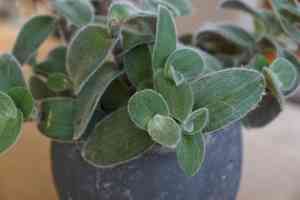
For a successful relocation of small-leaf spiderwort, the ideal period spans from the beginning to the end of spring, which guarantees robust development. Select a site featuring soil that drains effectively and offers partial shade. Bear in mind, careful manipulation of the root system is crucial to prevent harm. Enjoy your transplanting!
What Preparations are Needed Before Transplanting Small-leaf Spiderwort?
What is the Ideal Time for Transplanting Small-leaf Spiderwort?
The best time to move small-leaf spiderwort is from early spring's initial growth to late spring's full bloom. This period allows small-leaf spiderwort to benefit from spring's energy, encouraging strong development. Relocating small-leaf spiderwort then ensures a more robust root system, boosting its resistance to diseases and pests. So, mark these times on your calendar for transplanting your favorite small-leaf spiderwort for a vibrant display of foliage.
How Much Space Should You Leave Between Small-leaf Spiderwort Plants?
When relocating small-leaf spiderwort, it's best to position plants 8-12 inches (20-30 cm) apart. This provides ample room for growth, enabling them to establish strong root systems and flourish.
What is the Best Soil Mix for Small-leaf Spiderwort Transplanting?
For small-leaf spiderwort, select a soil that drains well and is rich in organic matter. Incorporating compost or aged manure will create a nutrient-rich foundation for your plant. A slow-release fertilizer can also be added for an excellent start.
Where Should You Relocate Your Small-leaf Spiderwort?
Find a garden spot that gets partial shade or filtered sunlight, as small-leaf spiderwort can handle some sun but thrives in shadier spots. Too much direct sun might cause leaves to burn or lose their color.
What Equipments Should You Prepare Before Transplantation Small-leaf Spiderwort?
Gardening Gloves
To safeguard your hands while handling soil and the small-leaf spiderwort plant.
Trowel
To gently loosen soil around the plant without harming its roots.
Gardening Spade
For excavating the small-leaf spiderwort plant from its original spot and digging a new hole.
Organic Compost
To supply the plant with vital nutrients post-transplantation.
Watering Can
To hydrate the small-leaf spiderwort plant during and after the transplanting process.
Mulch
To help retain soil moisture and inhibit weed growth.
How Do You Remove Small-leaf Spiderwort from the Soil?
How Do You Remove Small-leaf Spiderwort from the Soil?
From Ground: Begin by thoroughly watering the small-leaf spiderwort plant to moisten the soil. Using a trowel, carefully loosen the soil around the plant, ensuring the root ball remains intact. Gently work the spade beneath the root ball and lift the plant from its initial location.From Pot: If small-leaf spiderwort is in a container, turn it sideways, hold it gently by the stems, and tap the pot's bottom to loosen it. You should then be able to pull it out by the base. Try to keep as much of the original potting soil as possible.From Seedling Tray: If small-leaf spiderwort is growing in a seedling tray, gently squeeze the base of each cell, or use a butterknife to lift the plantlets. It's crucial not to pull plants by their stems, which could cause damage.
Step-by-Step Guide for Transplanting Small-leaf Spiderwort
Plant Removal
Follow the specific removal method for the small-leaf spiderwort plant based on its initial position. Aim to keep as much soil attached to the roots as possible.
Hole Preparation
Dig a hole in the new spot that is twice as wide and roughly the same depth as the small-leaf spiderwort's current root ball.
Placement
Position the small-leaf spiderwort plant's root ball into the hole. The top of the root ball should be level with or slightly below the ground surface.
Backfill
Refill the hole with soil, ensuring no air pockets remain around the roots.
Watering
Water the small-leaf spiderwort plant generously after relocation.
Mulching
Apply mulch around the plant, but not touching the stem, to preserve soil moisture.
How Do You Care For Small-leaf Spiderwort After Transplanting?
Watering
The small-leaf spiderwort plant will require consistent hydration after being moved. Ensure the soil stays moist but never excessively wet.
Pruning
In the weeks following transplantation, any unruly or elongated stems not growing as desired can be trimmed for better control and bushier growth.
Feeding
After 2-3 weeks, begin a bi-weekly feeding schedule with a balanced plant food to ensure the small-leaf spiderwort receives the necessary nutrients to flourish.
Monitoring
Observe the small-leaf spiderwort plant for any indications of shock or stress, such as yellowing leaves or stunted development. If noticed, try adjusting water and indirect light conditions.
Troubleshooting Common Issues with Small-leaf Spiderwort Transplantation.
When should I transplant my small-leaf spiderwort?
Relocate your small-leaf spiderwort as spring fully arrives, ideally from its beginning to its end.
What is the ideal temperature for transplanting small-leaf spiderwort?
Small-leaf spiderwort prefers a pleasant, warm environment to settle in after transplanting. Aim for temperatures around 70°F (20°C).
What is the appropriate spacing for small-leaf spiderwort during transplantation?
Each small-leaf spiderwort plant should be positioned 8-12 inches (20-30 cm) apart. This guarantees each plant receives adequate light and room to grow.
What soil is best for transplanting my small-leaf spiderwort?
Rich, well-draining soil is the perfect match for your small-leaf spiderwort. It ensures your plant's roots are not waterlogged and have sufficient nutrients for growth.
Should I water small-leaf spiderwort immediately after transplanting?
Absolutely! Water your small-leaf spiderwort right after transplanting, making sure the soil is thoroughly damp. Be careful not to overwater, though.
Is full sunlight necessary after transplanting small-leaf spiderwort?
Small-leaf spiderwort benefits from balanced sun exposure. Aim for a location that receives moderate sunlight rather than full, direct sun all day.
Does small-leaf spiderwort require pruning after transplantation?
Pruning encourages new growth. So yes, trimming off dead or overgrown edges promotes more compact growth in your small-leaf spiderwort.
How often should I water my small-leaf spiderwort after transplantation?
Keep the soil of your small-leaf spiderwort consistently moist by watering it moderately often. Remember, excessive watering can also cause problems.
Why are my small-leaf spiderwort leaves turning yellow after transplanting?
It's likely your small-leaf spiderwort may be receiving too much water. Review your watering habits and reduce the frequency or amount if necessary.
Why is my newly transplanted small-leaf spiderwort looking wilted?
Transplanting can induce temporary plant stress, which might make your small-leaf spiderwort appear droopy. Try reducing sunlight exposure and maintain consistent watering until it recovers.



