How to Transplant Windmill palm?
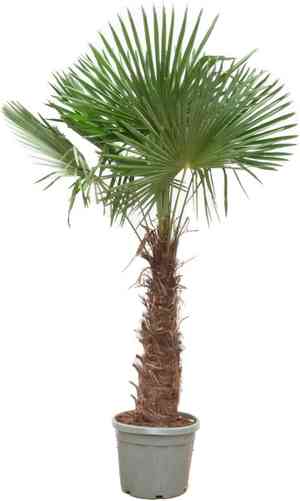
Windmill palm flourishes when relocated between mid-spring and mid-summer, enabling robust establishment. Select a site featuring permeable soil and exposure to partial or full sunlight. Guarantee adequate distance for vigorous development, and irrigate consistently after transplanting for optimal outcomes.
What Preparations are Needed Before Transplanting Windmill Palm?
What is the Ideal Time for Transplanting Windmill Palm?
The optimal period to relocate windmill palm spans from mid-spring to the peak of summer. Establishing windmill palm during this window promotes excellent root development, leading to vigorous future growth. In this timeframe, windmill palm can readily adjust to its new surroundings, fostering a healthy and flourishing plant life. So, prepare your gardening tools for the transplant and observe your windmill palm thrive!
How Much Space Should You Leave Between Windmill Palm Plants?
For windmill palm, the perfect distance between individual plants is 1-2 m (3-6 feet). This provides ample room for their beautiful fan-shaped foliage to expand without becoming crowded. Ensure generous space for your plants to flourish.
What is the Best Soil Mix for Windmill Palm Transplanting?
For windmill palm, prepare well-draining soil consisting of a loam and sand blend. Be sure to enrich the soil with organic matter, such as compost or aged manure. Incorporate a foundational fertilizer, like a slow-release granular mix, into the soil before transplanting to encourage robust growth.
Where Should You Relocate Your Windmill Palm?
Select a sunny to partially shaded location for transplanting your windmill palm. It can endure various light conditions but prefers some protection from intense afternoon sun. Ensure the site receives at least 4 hours of direct sunlight daily to help your plant prosper.
What Equipments Should You Prepare Before Transplantation Windmill Palm?
Gardening Gloves
To shield your hands from scrapes and dirt while handling windmill palm.
Shovel or Spade
To excavate the windmill palm from the ground, pot, or seedling tray.
Garden Trowel
To remove any excess soil around the roots and for precise digging at the new site.
Wheelbarrow
To transport the windmill palm from its original spot to its new location.
Mulch
To apply around the windmill palm after planting to safeguard the roots by retaining moisture and regulating soil temperature.
Watering Can
To gently hydrate the soil during and after transplanting.
How Do You Remove Windmill Palm from the Soil?
How Do You Remove Windmill Palm from the Soil?
From Ground: First, water the windmill palm plant to moisten the soil. This facilitates digging and lessens stress on the roots. Then use a shovel or spade to carefully excavate the plant, ensuring a generous amount of soil remains attached. The soil volume should approximate the size of the plant's root ball. Maneuver the shovel beneath the root ball and lift it, keeping the root ball intact.From Pot: Hydrate the windmill palm plant before beginning. Gently invert the pot, holding the plant at its base. You might need to tap the pot's bottom if the plant doesn't easily slide out.From Seedling Tray: Water the tray prior to starting. Push from the base of each cell to release the windmill palm seedlings. Handle seedlings by their leaves to avoid harming the delicate stems.
Step-by-Step Guide for Transplanting Windmill Palm
Preparation
Dig a hole in the new location; the hole should be twice the width of the windmill palm root ball and of equal depth. This allows the roots ample space to spread. The top of the root ball should sit level with or slightly above the surrounding soil surface.
Placing the Plant
Carefully position the windmill palm in the hole, ensuring its roots are spread out. Orient the plant so it stands upright.
Backfilling
Refill the hole with the excavated soil, gently firming it around the base of the windmill palm plant. Ensure the plant is stable, but avoid compacting the soil too tightly as this could hinder water penetration to the roots.
Watering
Thoroughly water the plant, allowing the water to soak in, then water again. This ensures the roots receive sufficient initial moisture.
Mulching
Apply a layer of mulch around the plant, making sure it doesn't touch the trunk to prevent rot. The mulch helps retain moisture and suppress weeds.
How Do You Care For Windmill Palm After Transplanting?
Checking
Inspect the windmill palm regularly, especially during hot weather. Signs of plant stress include wilting or yellowing leaves.
Watering
For the initial three to six weeks, deeply water the plant once weekly unless there's significant rainfall. Remember, overwatering can be as detrimental as underwatering. So, ensure the soil is moist, not saturated.
Protecting
If very hot or dry weather is predicted, consider providing shade for the plant for a few days to lessen stress.
Feeding
Do not rush to apply a large amount of fertilizer. It's crucial to allow the plant to adapt to its new location first. You can begin a regular feeding schedule at the start of the next growing season.
Troubleshooting Common Issues with Windmill Palm Transplantation.
What's the ideal time of year to transplant windmill palm?
You should ideally transplant windmill palm from mid-spring to mid-summer, allowing it ample time to establish before colder months.
How much space should I leave between windmill palm plants?
For healthy growth, an optimal spacing of 3-6 feet (1-2 m) between windmill palm plants would be most beneficial.
What's the best method to introduce windmill palm to a new site?
Initially, dig a hole twice the root ball's diameter. Place windmill palm in it and backfill, gently patting down the soil.
How do I decide the ideal location for transplanting windmill palm?
Windmill palm requires sun to partial shade. Choose a spot receiving at least six hours of sun, with well-drained soil.
What should I do if leaves of windmill palm turn brown after transplanting?
If windmill palm leaves are browning, it might be due to overwatering or sun scorch. Adjust your watering habits and ensure indirect sunlight.
How soon can I water windmill palm after transplanting it?
Water windmill palm immediately after transplanting to settle the soil around its roots and aid its acclimation to the new environment.
Why does windmill palm droop after transplanting?
Transplant shock can cause windmill palm to droop. Avoid overwatering and place it in suitable light conditions. Gradual recovery is anticipated.
How do I prepare the soil for windmill palm's transplant?
Loosen the soil in the transplant area. Add compost to enhance soil fertility, boosting windmill palm's establishment post-transplant.
What steps can I follow to transplant a large windmill palm?
For a large windmill palm, prune some fan leaves to reduce stress. Root prune it before moving. Use machinery for lifting and placement.
How long does windmill palm take to settle after transplantation?
Windmill palm may take several weeks to months to settle. It's crucial to provide consistent water and monitor for any signs of stress.



