How to Transplant Star jasmine?
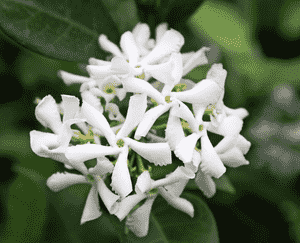
The ideal period for relocating star jasmine is the pleasant late spring, enabling it to develop its root system prior to the intense summer heat. Select a location that receives full sun or partial shade, featuring soil that drains effectively, to encourage robust development. Carefully untangle the roots and provide ample water after moving the plant for superior outcomes.
What Preparations are Needed Before Transplanting Star Jasmine?
What is the Ideal Time for Transplanting Star Jasmine?
The best period for relocating star jasmine is late spring, as the plant will have just finished its dormant phase. Moving it at this point allows star jasmine ample time to settle and adapt before the summer heat. A friendly reminder that this timing offers the highest probability for star jasmine to flourish, given it's in the perfect stage of its growth and temperature cycle. So, remember – late spring is the prime window for your star jasmine transplant.
How Much Space Should You Leave Between Star Jasmine Plants?
When moving star jasmine, ensure adequate spacing between individual plants. Ideally, position them approximately 4-6 feet (1.2-1.8 meters) apart. This provides sufficient room for development while still offering ample coverage for an attractive green display.
What is the Best Soil Mix for Star Jasmine Transplanting?
To prepare the soil for star jasmine, utilize a well-draining, fertile soil rich in organic material. Incorporate a foundational fertilizer such as a slow-release balanced granular product or well-rotted compost. This will supply the necessary nutrients for your plant to thrive.
Where Should You Relocate Your Star Jasmine?
Select a sunny or partially shaded spot for star jasmine when transplanting. These plants can endure various light levels, but they will grow most effectively and produce the most fragrant blooms if they receive at least 4-6 hours of direct sunlight daily.
What Equipments Should You Prepare Before Transplantation Star Jasmine?
Gardening gloves
These will safeguard your hands while handling soil and plants.
Shovel or a trowel
Utilize these tools to excavate a hole in the new site and to lift the star jasmine plant during relocation.
Wheelbarrow or garden cart
For moving the star jasmine from its original spot to its new position.
Pruning shears
To trim the star jasmine plant either before or after its transplantation.
A watering can or hose
To hydrate the plant both prior to and following transplanting.
Mulch
To help retain moisture after the transplanting process.
How Do You Remove Star Jasmine from the Soil?
How Do You Remove Star Jasmine from the Soil?
From Ground: If the star jasmine is planted in the ground, begin by watering the surrounding soil to soften it, making it easier to extract. Next, dig a wide trench around the plant, being careful not to damage the root ball. Afterward, gently lift the plant to keep the root ball intact.From a Pot: To extract the plant from a container, first soak it in water, then tilt it sideways. Carefully pull on the base of the star jasmine, allowing it to slide out with the soil and root ball.From a Seedling Tray: If star jasmine is in a seedling tray, water it and let it absorb the moisture before gently pushing the bottom of the seedling cell to lift it.
Step-by-Step Guide for Transplanting Star Jasmine
Preparation
Prepare the new planting hole before extracting the star jasmine plant from its current location; this minimizes the time the plant is out of soil and reduces stress.
Establishing the Hole
This excavation should be twice as wide as the root ball but maintain the same depth.
Transerring the Plant
Carefully position the star jasmine into the hole and backfill with the excavated soil, ensuring the plant sits at the same level as it did in its original spot.
Watering
After you have planted star jasmine, water it thoroughly, saturating the surrounding soil.
Mulching
Apply a layer of mulch around the plant's base to conserve moisture.
How Do You Care For Star Jasmine After Transplanting?
Pruning
Trimming some of the star jasmine's foliage can lessen water loss and stress on the plant after transplant.
Staking
If star jasmine is a climbing variety, it might require some support until its roots become established. Insert a few garden stakes into the ground and loosely tie the plant.
Monitoring
Observe the star jasmine for any indications of stress. If the leaves start to wilt or yellow, it could mean the plant isn't receiving enough water or has been placed in an area that's too bright or too shady.
Watering
While established star jasmine only needs moderate watering, a newly transplanted one will require regular irrigation until it's settled in its new location. Overwatering can lead to root rot, so ensure the soil is merely moist, not waterlogged.
Troubleshooting Common Issues with Star Jasmine Transplantation.
What's the best time to transplant star jasmine?
You should aim to relocate star jasmine during late spring, when the weather is perfectly balanced – neither excessively hot nor too cold.
How much space should I leave between each star jasmine?
When transplanting star jasmine, ensure approximately 4-6 feet (1.2-1.8 meters) of distance between each plant. This encourages optimal growth and spread.
How deep should the holes be for my star jasmine transplant?
Excavate holes about twice the width and the same depth as the root ball of your star jasmine. This is roughly 10 inches (25 cm) deep and wide for most young plants.
Why are my transplanted star jasmine leaves wilting?
Wilting after transplanting may indicate transplant shock. Ensure you water your star jasmine adequately and keep it in partial shade for a few days post-transplant.
How much water does star jasmine need post-transplant?
Water your star jasmine generously immediately after transplanting. Afterward, keep the soil moist but not saturated. Excessive watering can harm the plant.
The transplanted star jasmine isn't flowering. What should I do?
Be patient. It's common for star jasmine to prioritize root establishment after transplanting, rather than blooming. Ensure sufficient light and nutrients for future flowering.
What kind of soil is suitable for transplanting star jasmine?
Star jasmine thrives in well-drained soil, enriched with organic matter or compost. A slightly acidic to neutral pH level is ideal for optimal growth.
Should I prune star jasmine prior to transplantation?
Not necessarily. However, a light trimming of star jasmine can help its energy focus on establishing roots in the new location.
What sort of fertilizers should be used after transplanting star jasmine?
A slow-release fertilizer balanced in nitrogen, phosphorus, and potassium is a good option for star jasmine after transplanting. This supports healthy root and foliage development.
Who can help me with transplanting star jasmine?
Local nursery staff, landscaping businesses, and gardening communities can offer assistance with transplanting star jasmine. Remember, careful and gentle handling of star jasmine can ensure successful transplantation!



