How to Transplant Poison ivy?
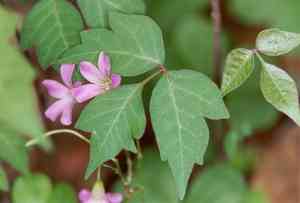
Relocate poison ivy optimally from late spring through mid-summer or late autumn into early winter, periods when climatic conditions favor root integration. Select a site offering dappled sunlight, soil that drains effectively, and ample room for expansion. It is advisable to don protective attire when interacting with this vegetation.
What Preparations are Necessary Before Relocating Poison Ivy?
What is the Optimal Period for Moving Poison Ivy?
The best time to move poison ivy is from late spring through mid-summer or late autumn to early winter. This timing promotes excellent root development and minimizes stress, ensuring a robust and flourishing plant.
How Much Space Should You Provide Between Poison Ivy Plants?
To allow your poison ivy ample room to expand, position the plants approximately 5-10 feet (1.5-3 meters) apart during relocation. This will guarantee they have sufficient area to spread and thrive.
What is the Best Soil Blend for Poison Ivy Relocation?
For vigorous poison ivy growth, utilize well-draining, slightly acidic soil with a pH range of 6.0-6.5. Incorporate a foundational fertilizer such as compost or aged manure to enrich the soil and supply vital nutrients.
Where Should You Replant Your Poison Ivy?
When selecting a spot to replant your poison ivy, seek out a location that receives partial to full sun, but can also endure some light shade. This will ensure the plant gets the appropriate amount of sunlight to flourish.
What Equipment Should You Prepare Before Relocating Poison Ivy?
Gardening Gloves
To safeguard your hands while handling soil and the plant.
Trowel or Shovel
To excavate furrows, create planting depressions, and move earth.
Watering Can or Hose
To hydrate the area prior to and following relocation.
Large Bucket or Wheelbarrow
To transport the poison ivy plant and soil.
Pruner or Scissors
To trim away dead or damaged foliage and stems.
Sturdy Boots
To shield your feet from contact with the plant.
How Do You Extract Poison Ivy from the Soil?
How Do You Extract Poison Ivy from the Soil?
- From Ground:First, moisten the poison ivy plant to dampen the soil. Then, excavate a wide trench around the plant using a shovel or spade, ensuring the plant's root ball remains intact. Carefully work the spade beneath the root ball to lift the plant from its original position.- From Pot:First, thoroughly water the poison ivy plant. Then, gently tilt the pot to one side and slowly slide the plant out with the soil and root ball remaining intact. Exercise caution to avoid direct contact with the plant.- From Seedling Tray:First, lightly water the poison ivy seedlings to moisten the soil. Then, grasp a small seedling by its leaves (avoiding the stem) and use a spoon or small trowel to gently lift it out of the tray with its root ball and surrounding soil intact.
Step-by-Step Guide for Relocating Poison Ivy
Preparation
Don your gardening gloves, sturdy boots, and any other protective gear to prevent contact with the poison ivy plant.
Hole Preparation
Use a shovel to dig a generously-sized hole at the chosen site, approximately twice the width and depth of the root ball.
Soil Amendment
Mix some compost or organic matter into the excavated soil to enhance its texture, if needed, considering the plant's preferences.
Plant Placement
Gently position the poison ivy plant's root ball into the hole, ensuring it is at the same depth as it was in its initial location.
Backfilling
Fill the hole with the amended soil, gently firming it around the root ball to eliminate air pockets and ensure good soil-to-root contact.
Watering
Thoroughly water the poison ivy plant using a watering can or a gently flowing hose, allowing water to soak in and settle the soil around the roots.
How Do You Care For Poison Ivy After Relocation?
Watering
Maintain consistent moisture in the soil around the poison ivy, but avoid waterlogging, for the initial few weeks post-relocation to aid in strong root establishment.
Trimming
Use pruners or scissors to remove any dead or damaged leaves and stems, encouraging healthy growth and reducing potential pest harborage.
Weeding
Regularly clear weeds from the area surrounding the poison ivy to prevent competition for nutrients and water.
Monitoring
Keep a close watch on the health and development of your poison ivy, checking for leaf coloration, overall vigor, and any indications of pest or disease issues.
Safety
When working near or with poison ivy, wear protective gear such as gloves, boots, and long sleeves to prevent skin contact.
Troubleshooting Common Issues with Poison Ivy Relocation.
When is the best time to relocate poison ivy?
Relocate poison ivy in late spring to midsummer or from late fall to early winter to ensure successful growth.
What is the ideal spacing for planting poison ivy?
Plant poison ivy at a distance of 5-10 feet (1.5-3 meters) apart to allow for proper growth and prevent overcrowding.
How deep should I dig the hole when relocating poison ivy?
Dig a hole deep enough to accommodate the root ball of poison ivy, typically around 10 inches (25 cm) deep.
What type of soil works best for relocating poison ivy?
Poison ivy thrives in well-draining soil with a slightly acidic pH. A mixture of loam, sand, and peat moss is ideal.
How should I prepare the relocation site for poison ivy?
Choose a location with plenty of sunlight, and till the soil to a depth of 10 inches (25 cm) to loosen it.
What should I do with the root ball when relocating poison ivy?
Gently remove poison ivy from its container, being careful not to damage the root ball, and place it in the hole.
How much water does poison ivy need after relocating?
Water poison ivy thoroughly after relocating, and keep the soil consistently moist but well-draining until it's established.
Should I add any nutrients or fertilizers when relocating poison ivy?
Incorporate compost or a balanced slow-release fertilizer into the relocation hole, ensuring poison ivy's healthy growth.
What precautions should I take when handling poison ivy?
Wear gloves and protective clothing when relocating poison ivy, as its sap may cause skin irritation or swellings.
How long does it take for poison ivy to establish after relocating?
It takes about 2-3 weeks for poison ivy to establish and show new growth after relocating, depending on weather conditions.



