How to Transplant Spanish moss?
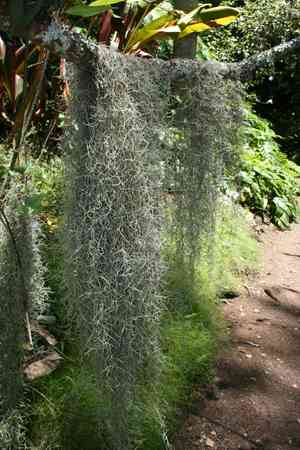
To achieve the best development, relocate spanish moss between late summer and mid-autumn, enabling the plant to become rooted prior to the onset of winter. Select a spot that receives abundant sunlight and possesses excellent air movement. Exercise caution when manipulating spanish moss to prevent harm.
What Preparations are Needed Before Transplanting Spanish Moss?
What is the Ideal Time for Transplanting Spanish Moss?
Considering relocating spanish moss? The optimal period is the shift from late summer into the heart of autumn. This timing provides spanish moss with the necessary stability and adaptation to its new surroundings. Furthermore, it's a low-stress phase for spanish moss as it's not actively growing. This is a crucial step in your pre-transplanting preparations! It's certainly worth your patience.
How Much Space Should You Leave Between Spanish Moss Plants?
When moving spanish moss, it's best to position the plants 6-12 inches (15-30 cm) apart. This ensures they have sufficient room to expand and establish a robust root system.
What is the Best Soil Mix for Spanish Moss Transplanting?
For spanish moss, prepare a soil mixture that drains well and has a slightly acidic pH. A good foundational fertilizer to mix with the soil is a slow-release, balanced blend, such as a 14-14-14 fertilizer, which will support the plant's development.
Where Should You Relocate Your Spanish Moss?
Select a spot with bright, indirect sunlight for spanish moss. An area with filtered or dappled shade works best, as intense direct sun can burn the plant. Ensure the location has good air circulation for healthy growth.
What Equipments Should You Prepare Before Transplantation Spanish Moss?
Gardening Gloves
To safeguard your hands while handling the spanish moss plant, as its delicate structure might be damaged during the process.
Pruning Shears
To carefully detach the plant from its original spot, especially if it's hanging from a tree or structure. The shears must be sharp to make clean cuts without harming the plant.
String
Since spanish moss is an air plant and doesn't need soil, string can be utilized to firmly attach it to its new location.
Spray Bottle
To keep the spanish moss plant hydrated, as it absorbs nutrients from the air through its leaves, not roots.
How Do You Remove Spanish Moss from the Soil?
How Do You Remove Spanish Moss from the Soil?
From a Tree or Structure: spanish moss is unique in that it naturally grows by hanging from trees, walls, or other structures. It is an epiphyte, meaning it takes its nutrition from the air rather than the soil. To remove it, use a pair of pruning shears to cut the strands near the base, taking care not to pull or tear them.From a Pot: Although not common, if your spanish moss is growing in a pot with other air plants, simply separate it by hand, or cut it away with the pruning shears. Be gentle, to avoid damage to the plant's structure and leaves.From a Seedling Tray: spanish moss is predominantly propagated through division, not seeds. Therefore, you are unlikely to find it in a seedling tray.
Step-by-Step Guide for Transplanting Spanish Moss
Choosing Location
Identify an appropriate site for your spanish moss. This could be on tree branches, fences, or among rocks. The plant thrives in areas with high humidity and good air circulation, though it can adapt to drier conditions.
Preparation
Clean the chosen area of any dirt or debris. This ensures a healthy environment for your spanish moss.
Attaching the Plant
Use the string to secure your spanish moss to the selected spot. It should be tied at its base, allowing the rest of the plant to hang freely. Be careful not to tie the string too tightly as it could injure the plant.
Adjustment
Adjust the plant as needed, ensuring it is secure and hangs in an aesthetically pleasing manner.
How Do You Care For Spanish Moss After Transplanting?
Watering
Mist the spanish moss plants regularly with a spray bottle or hose, 2-3 times weekly in a humid climate and 4-5 times weekly in a dry climate. The plant should dry completely between waterings to prevent fungal growth.
Maintenance
Periodically inspect your spanish moss for pests. If any are detected, a mild insecticidal soap can be used to control them.
Trimming
Regularly trim any brown or damaged sections of your spanish moss with pruning shears to maintain the plant's health and vibrancy.
Troubleshooting Common Issues with Spanish Moss Transplantation.
When is the best time to transplant spanish moss?
The optimal period for transplanting spanish moss is during the diminishing warmth, from late summer to mid-fall. This provides the plant with a strong start before winter.
What is the perfect spacing during transplantation of spanish moss?
When transplanting spanish moss, aim for a comfortable distance of approximately 6-12 inches (15-30 cm) between each plant. This ensures ample room for growth.
Why are the leaves of my transplanted spanish moss turning brown?
Browning leaves can indicate insufficient watering, excessive sun exposure, or a nutrient deficiency. Adjust watering, relocate the plant, or add a suitable fertilizer.
What's the best type of soil for transplanting spanish moss?
Spanish moss thrives in a well-draining, loose, and gritty soil mix. It should provide adequate aeration and allow for quick water runoff.
Can I transplant spanish moss from a pot to the garden?
Absolutely! Just ensure to place spanish moss in a location that provides dappled sunlight, and ample space around it, about 6-12 inches (15-30 cm).
Why are my transplanted spanish moss not growing?
Growth issues can stem from improper light, inadequate watering, poor soil nutrition, or unsuitable weather. Check these conditions and correct as necessary.
My transplanted spanish moss is wilting, what could be the problem?
Wilting could be due to excessive sunlight, overwatering, or temperature stress. Find a more shaded spot, adjust watering, or ensure appropriate temperature.
How can I keep pests away from my newly transplanted spanish moss?
Keep pests at bay by using natural remedies like neem oil, or insecticidal soap. Regularly check your plant for signs of infestation.
Can I transplant spanish moss during the colder months?
While possible, it's ideal to transplant spanish moss from late summer to mid-fall. In colder weather, ensure suitable indoor conditions or properly protect the plant outdoors.
How to handle root rot for transplanted spanish moss?
Root rot typically results from overwatering or poor drainage. Cut off decayed parts, let the plant dry out, and revise your watering habits.



