How to Transplant Large-leaved lime?
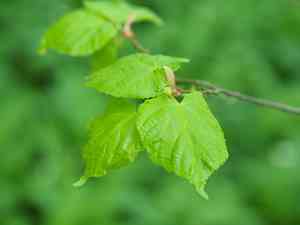
The peak warmth of early to mid-summer provides large-leaved lime with the robust energy it needs for successful transplantation. Select a location that receives abundant sunlight and is protected from strong gusts. Careful handling during its move fosters strength and thriving.
What Preparations are Needed Before Transplanting Large-leaved Lime?
What is the Ideal Time for Transplanting Large-leaved Lime?
The optimal period for relocating large-leaved lime is during the pleasant stretch from early to mid-summer. This timeframe offers large-leaved lime a balanced setting of warm earth and upcoming cooler weather, promoting robust root development and lessening plant stress. Selecting this season ensures large-leaved lime has ample opportunity to adjust to its new spot prior to winter's demands, making the move a smooth enhancement to your garden's appeal.
How Much Space Should You Leave Between Large-leaved Lime Plants?
New gardeners, don't be daunted! For transplanting large-leaved lime, aim for roughly 10-15 feet (3-4.5 meters) between each planting location. This guarantees each plant ample room for healthy growth and development.
What is the Best Soil Mix for Large-leaved Lime Transplanting?
Before planting large-leaved lime, enrich the soil by mixing in well-rotted compost or other organic material. This plant thrives in soil with moderate moisture levels and a pH range of 5.5 to 7.0. Additionally, an initial application of a balanced fertilizer can help stimulate growth.
Where Should You Relocate Your Large-leaved Lime?
Remember to select a site for large-leaved lime that receives full sun to partial shade. While it can endure some shade, this plant will flourish with abundant sunlight. Therefore, pay close attention to the sun's trajectory when choosing your transplanting spot.
What Equipments Should You Prepare Before Transplantation Large-leaved Lime?
Gardening gloves
To safeguard your hands while handling soil and large-leaved lime.
Shovel or garden spade
To excavate the plant from its original position and prepare the new planting site.
Garden fork
To assist in loosening and lifting the plant without harming its roots.
Watering can
To hydrate the plant before and after its relocation.
Garden trowel
To make precise adjustments to the planting hole as needed.
Pruning shears
To trim any damaged or overgrown parts before the transplant.
How Do You Remove Large-leaved Lime from the Soil?
How Do You Remove Large-leaved Lime from the Soil?
From Ground: First, moisten the large-leaved lime plant's soil. Then, begin digging a wide trench around the plant, about a foot from its stem, using a shovel or garden spade. Ensure the plant's root ball remains intact. After loosening the soil, carefully work a garden fork beneath the root ball. Gently lift the plant from the ground, minimizing root damage.From Pot: Water the large-leaved lime plant thoroughly a few hours before moving it. Tilt the pot sideways, grasp the plant at its base, and gently try to extract it. If it resists, tap the pot's sides to loosen it. Remove the plant by supporting the root ball, avoiding pulling by the stem.From Seedling Tray: Water the seedlings in advance. Hold the large-leaved lime seedling by its leaves (not its stem) and gently push the bottom of the seedling cell to release it.
Step-by-Step Guide for Transplanting Large-leaved Lime
Choosing Suitable Time
Transplanting is best performed in early spring or fall, when large-leaved lime is not actively growing. Avoid hot or dry periods.
Digging the Hole
The excavation should be twice as wide and the same depth as the existing root ball of large-leaved lime.
Placing the Plant
Position the large-leaved lime in the center of the hole. Ensure the top of the root ball is level with the surrounding ground. Avoid burying the large-leaved lime too deeply.
Finishing the Transplant
Backfill the hole with the excavated soil, gently firming the earth around the large-leaved lime plant. Do not compact the soil; this can hinder root growth.
Watering
Water thoroughly immediately after transplanting. This helps to settle the soil around the roots.
How Do You Care For Large-leaved Lime After Transplanting?
Watering
Maintain consistent watering for large-leaved lime until it is fully established. The soil should remain moist but not waterlogged. Full establishment can take up to 2 years for large-leaved lime, so ongoing care is crucial.
Mulching
Apply a layer of organic mulch around the base of the large-leaved lime to help retain moisture and regulate soil temperature, but keep it away from the immediate trunk area to prevent rot.
Pruning
Minimize pruning in the initial year to allow large-leaved lime to recover from the transplant. Only remove damaged or diseased branches at first.
Monitoring
Closely observe the large-leaved lime for indications of transplant shock or illness. Wilting leaves, leaf discoloration, or stunted growth signal plant stress.
Troubleshooting Common Issues with Large-leaved Lime Transplantation.
When is the best time to transplant large-leaved lime?
The ideal period to relocate large-leaved lime is typically from late fall to early winter (S4-S5). This allows the plant time to establish roots before spring growth.
How far apart should I space my large-leaved lime when transplanting?
For healthy development, large-leaved lime should be spaced approximately 10-15 feet (3-4.5 meters) apart. This ensures they have ample room to expand.
What's the best environment for transplanting large-leaved lime?
Large-leaved lime prefers a sunny to partly-shady location with well-drained soil. Ensure the area isn't excessively wet as waterlogged conditions can harm the plant.
Why are the leaves of my transplanted large-leaved lime turning yellow?
Yellowing leaves can indicate insufficient or excessive watering. It's best to keep the soil around large-leaved lime consistently moist without it becoming waterlogged.
How deep should I dig the hole when transplanting large-leaved lime?
When transplanting large-leaved lime, dig a hole twice as wide, and just as deep, as the root ball â typically around 20 inches (50 cm).
Should I prune large-leaved lime before transplanting?
It's advisable to lightly prune large-leaved lime before transplanting, removing any dead or damaged branches. Avoid heavy pruning as it can stress the plant.
What type of soil is preferred by large-leaved lime while transplanting?
Large-leaved lime thrives in fertile, well-draining soil with a slightly acidic to neutral pH. It can tolerate clay, but avoid overly sandy or saline soils.
What should I do if my recently transplanted large-leaved lime appears stressed?
Ensure large-leaved lime is adequately watered but not waterlogged. Mulch to retain moisture, but keep it away from the stem. If issues persist, consult a local nursery for advice.
How often should I water large-leaved lime after transplanting?
Water large-leaved lime thoroughly after transplanting, then regularly to keep the soil moist. Adjust frequency based on climate; drier climates may require more frequent watering.
Should I stake my transplanted large-leaved lime?
Staking is only necessary for large-leaved lime if it's situated in a windy area, or if it's a particularly tall and slender specimen. Ensure it's not overly tight.



