How to Transplant Amur lime?
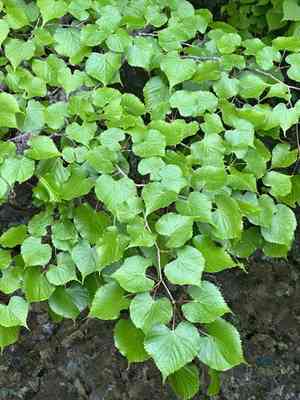
The optimal period for transplanting amur lime extends from the onset of early spring development through the phase of abundant late-season greenery. Choose a location that receives generous sunlight and possesses damp, adequately draining earth. Prepare the soil by loosening it prior to the move to facilitate establishment.
Preparations Required Before Relocating Amur Lime?
Optimal Period for Relocating Amur Lime?
The most opportune moment to move amur lime is during the early to mid-spring season. Selecting this timeframe allows amur lime to develop its root system in cool, damp soil, which is vital before the onset of summer heat. This transplanting window reduces stress on amur lime and aligns with its natural growth cycle, providing a strong start for the year.
Recommended Spacing Between Amur Lime Plants?
Ensure ample room for your amur lime to thrive! Position them approximately 35-50 feet apart, which is about 10.7-15.2 meters. This spacing prevents competition and allows each amur lime to grow fully.
Ideal Soil Blend for Amur Lime Relocation?
Amur lime prefers soil that is rich in nutrients and drains effectively. Prior to transplanting, incorporate compost or a slow-release fertilizer to promote vigorous initial growth. Aim for a pH range of 5.5 to 7.5, which is perfect for amur lime.
Optimal Location for Your Amur Lime?
Choose a sunny location for your amur lime where it can receive at least 6 hours of direct sunlight daily; partial shade is also acceptable. Adequate light will help your amur lime flourish in its new environment!
Equipment Needed Before Relocating Amur Lime?
Gardening Gloves
To safeguard your hands while handling soil and the plant.
Shovel or Spade
For excavating the amur lime without harming its root ball.
Wheelbarrow
To move the amur lime from its current spot to the new one.
Garden Hose with Watering Wand
For hydrating the amur lime both before and after its relocation.
Pruning Shears
To remove any dead or excess branches prior to transplanting.
Stake and Ties
To offer support to the amur lime post-transplantation if required.
Mulch
To assist in retaining soil moisture and regulating soil temperature around the amur lime.
How to Extract Amur Lime from the Ground?
How to Extract Amur Lime from the Ground?
From Ground: First, moisten the soil around the amur lime. Then, use a shovel or spade to dig a wide trench around the plant, ensuring the root ball remains intact. Carefully work the tool beneath the root ball to lift the amur lime from its original position.From Pot: Water the amur lime thoroughly beforehand. Tilt the pot and gently tap or press its sides to loosen the soil. Support the amur lime by its base and carefully slide it out, preserving the root ball's structure.From Seedling Tray: Water the amur lime to facilitate root ball removal. Use a small tool or your fingers to gently extract the amur lime from the tray, taking care not to damage delicate roots.
Step-by-Step Guide for Relocating Amur Lime
Preparation
Ensure all tools and equipment are ready, and the planting site is prepared for the amur lime. Inspect the amur lime for health, trimming any unhealthy parts if necessary. Water the amur lime thoroughly before starting to minimize transplant shock and ease removal from its current location.
Plant Extraction
Follow the removal instructions for your specific situationâwhether taking the amur lime from the ground, a pot, or a seedling tray. Aim for minimal root disturbance to prevent stress.
Relocation
Dig a hole at the new site that is twice the width and the same depth as the root ball. Position the amur lime in the center so the top of the root ball is level with the surrounding soil. Carefully backfill the hole, gently tamping to remove air pockets. Water the amur lime thoroughly to settle the soil and eliminate any remaining air around the roots.
Support
If the amur lime is large enough to need it, insert a stake near the planting hole and secure the amur lime with soft ties to prevent wind damage or leaning.
Post-Transplantation Care for Amur Lime
Immediate Hydration
Immediately after transplanting, give the amur lime a generous amount of water to aid recovery and root establishment. This also helps to settle the soil around the roots.
Mulching
Apply a layer of mulch around the base of the amur lime to retain soil moisture and suppress weed growth. Avoid piling mulch directly against the trunk to prevent rot.
Staking
For taller amur lime, ensure stakes are secure and adjust ties as the amur lime grows. Do not tie them too tightly, as this could damage the bark.
Monitoring
Watch for signs of transplant shock, such as wilting or browning leaves. If these occur, ensure proper watering and avoid unnecessary disturbance to the amur lime.
Seasonal Care
During the first year, prioritize watering during dry periods as the amur lime establishes its root system. Regularly check for and remove competing weeds.
Pruning
Avoid extensive pruning in the first year to allow the amur lime to focus energy on root development. However, remove any dead or damaged branches as needed.
Resolving Common Issues with Amur Lime Relocation.
When is the best time to move amur lime?
Relocate amur lime in early to late spring, once the soil warms but before leaves fully emerge.
What spacing is needed for amur lime when moving?
Provide ample space of 35-50 feet (10.7-15.2 meters) to accommodate the mature size of amur lime.
Why are my amur lime's roots drying out after moving?
Roots may dry if exposed too long during relocation. Keep them moist and minimize their time out of the soil.
Should I trim amur lime before moving?
Light pruning is beneficial; remove damaged roots and branches to help the plant establish itself.
How deep should the hole be for moving amur lime?
Dig a hole twice as wide as the root ball and just deep enough for the plant to sit at ground level.
Is soil amendment necessary when planting amur lime?
Yes, incorporate compost or well-rotted manure to enrich the soil and promote healthy root growth.
How can I protect amur lime from relocation shock?
Water thoroughly after moving, apply mulch, and provide shade if the weather is particularly hot or windy.
Can I move amur lime on a sunny day?
It's best to move plants on a cloudy day or in the late afternoon to reduce stress from heat and sun.
How often should I water amur lime after moving?
Water deeply once a week, allowing the soil to dry slightly between waterings to encourage strong root development.
When will amur lime recover from relocation?
It can take a full season or more for amur lime to fully recover and establish after being moved.



