How to Transplant Tiger grass?
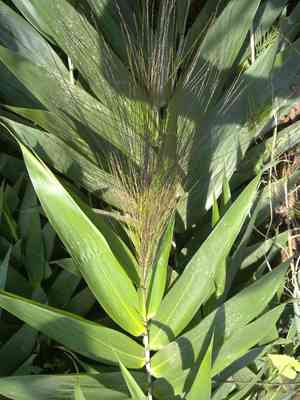
The most favorable period for relocating tiger grass is from early to mid-spring, when the weather is mild, facilitating root development. Select a location that receives abundant sunlight and possesses soil with good drainage to encourage robust growth. Careful management during this phase is crucial for successful adaptation.
What Preparations are Needed Before Transplanting Tiger Grass?
What is the Ideal Time for Transplanting Tiger Grass?
Relocate tiger grass during the warmth of late spring, once frost has passed. This allows for gentle root establishment without cold interruption. During this period, the soil is perfectly warm and moist, promoting strong root growth and easy acclimatization for tiger grass. It's a time when nature supports recovery and development, giving your plant the best start in its new spot.
How Much Space Should You Leave Between Tiger Grass Plants?
When placing your tiger grass, aim for a distance of 24-36 inches (61-91 cm). This provides ample room for growth, ensuring each tiger grass can thrive without competing for resources. Proper spacing is crucial for a happy, healthy plant!
What is the Best Soil Mix for Tiger Grass Transplanting?
Prepare a fertile, well-draining soil mixture for your tiger grass, as it prefers a strong base! A blend with organic compost will give tiger grass a good start. Incorporate a slow-release fertilizer to nourish your tiger grass as it settles into its new home.
Where Should You Relocate Your Tiger Grass?
Find a sunny location for your tiger grass! It flourishes in an area that receives at least 4-6 hours of daily sunlight. Filtered shade during the hottest part of the day will help keep your tiger grass looking its best.
What Equipments Should You Prepare Before Transplantation Tiger Grass?
Gardening Gloves
To safeguard your hands while handling soil and plants.
Shovel or Spade
For excavating the plant and creating a hole in the new site.
Watering Can or Hose
To hydrate the plant before and after relocation.
Pruning Shears
To trim any damaged roots or foliage prior to moving.
Wheelbarrow or Garden Cart
To move the plant from one spot to another if it's large or heavy.
Garden Fork
To loosen earth around the plant's root system.
Mulch
To aid in retaining soil moisture post-transplanting.
Stakes and Garden Twine
For supporting the plant if needed.
How Do You Remove Tiger Grass from the Soil?
How Do You Remove Tiger Grass from the Soil?
From Ground: First, water the tiger grass to moisten the soil. Then, dig a wide circle around the plant using a shovel or spade, ensuring the plant's root ball remains intact. Gently work the spade under the root ball to free the plant from the ground with minimal root disruption. Lift it carefully onto a wheelbarrow or tarp.From Pot: Begin by watering the tiger grass thoroughly. Turn the pot on its side and gently tap the bottom and sides to loosen the soil. Slowly slide the plant out of the pot, supporting the root ball to prevent it from breaking apart.From Seedling Tray: Ensure the seedlings are well-hydrated. Use a garden fork or similar tool to carefully separate individual plants from their cells, taking care not to harm the roots or leaves.
Step-by-Step Guide for Transplanting Tiger Grass
Transplant Timing
Select a cloudy or cool day to minimize stress on the tiger grass during the transplanting process.
Preparing the Hole
Excavate a hole that is twice as wide and the same depth as the tiger grass's current root ball to ensure it fits comfortably without bending roots.
Plant Placement
Carefully lower the tiger grass into the hole, ensuring the top of the root ball is level with the surrounding ground to prevent water accumulation.
Soil Refill
Gradually backfill the hole with soil, gently compacting it around the root ball. Ensure no air pockets remain, which could dry out the roots.
Watering After Transplant
Immediately after transplanting, water the tiger grass generously to help the soil settle around the roots and provide essential hydration.
Staking
If the tiger grass is tall or top-heavy, insert stakes around it and loosely tie it with garden twine to stabilize it until roots are established.
Mulching
Apply a layer of mulch around the base of the tiger grass to retain moisture and regulate soil temperature, keeping the mulch a few inches away from the stems.
How Do You Care For Tiger Grass After Transplanting?
Stabilization
Ensure the tiger grass remains firm in its new spot and add extra support if needed until stronger roots have formed.
Monitoring
Check the tiger grass regularly for signs of dehydration, and keep the soil consistently moist for the first few months as the plant establishes itself.
Pruning
Trim away any damaged or dead foliage to redirect the tiger grass's energy to root and leaf development.
Pest and Disease Watch
Keep an eye out for common pests and diseases that could affect the tiger grass in its new location and address any issues promptly.
Troubleshooting Common Issues with Tiger Grass Transplantation.
When's the best time to transplant tiger grass?
Optimal transplanting period is from mid-spring to late spring when the soil has warmed.
How far apart should I plant tiger grass?
Space plants appropriately, about 24-36 inches (61-91 cm) apart, to ensure sufficient room for growth.
What's the best soil for tiger grass transplantation?
Utilize well-draining soil, rich in organic matter, to promote healthy root development for tiger grass.
How much water does tiger grass need after transplanting?
Water tiger grass generously post-transplanting to settle the soil around the roots and lessen transplant shock.
Why are my transplanted tiger grass plants wilting?
Wilting can result from transplant shock. Ensure adequate watering and shade for the initial few days.
Should I fertilize tiger grass right after transplanting?
Wait a few weeks before fertilizing to allow tiger grass to establish itself without stressing the roots.
Can tiger grass be transplanted in full sun?
Tiger grass thrives in full to partial sun. Ensure the new site receives ample sunlight.
How deep should I plant tiger grass roots?
Plant tiger grass's roots at the same depth they were in the previous setting for optimal results.
How to protect tiger grass after transplanting?
Shield tiger grass from harsh weather and pests by using mulch and plant supports if necessary.
Is it normal for tiger grass leaves to turn yellow after transplanting?
Yellowing leaves can occur due to transplant stress. Maintain consistent care and they should recover.



