How to Transplant Garden thyme?
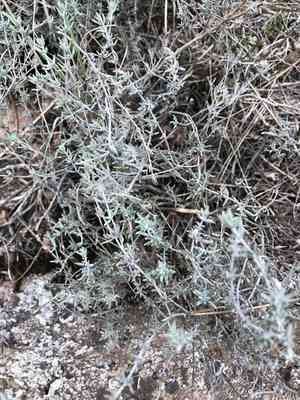
The ideal period for relocating garden thyme is in the invigorating early spring. Select a bright spot to guarantee peak development. To facilitate a smooth transplant, handle the root system with great care, and bear in mind that precise timing is vital for garden thyme's flourishing.
Essential Preparations Before Relocating Garden Thyme
Optimal Period for Transplanting Garden Thyme
Early spring, as nature reawakens, presents the best window for moving garden thyme. This timing allows the plant ample time to establish itself before the onset of cold winter conditions. Relocating garden thyme during this interval promotes vigorous and abundant development, enhancing your garden's beauty and fragrance. Remember, precise timing revitalizes your garden thyme!
Recommended Spacing Between Garden Thyme Plants
When moving garden thyme, a good guideline is to position them approximately 6-12 inches (15-30 cm) apart. This spacing provides sufficient room for each plant to develop and flourish without competing for resources.
Ideal Soil Mixture for Garden Thyme Relocation
To prepare appropriate soil for garden thyme, aim for a well-draining mixture, preferably loam or sandy loam. Incorporate a slow-release, balanced base fertilizer, such as 10-10-10, to supply necessary nutrients for healthy growth.
Selecting a New Location for Your Garden Thyme
For optimal growth, choose a site for garden thyme that receives full sunlight. Ensure the chosen spot gets at least six hours of direct sun daily to help this charming plant thrive.
Equipment Needed Before Transplanting Garden Thyme
Gardening Gloves
To safeguard your hands while handling soil and plants.
Shovel or Spade
For digging holes and loosening soil during the transplanting process.
Pruning Shears
To trim any damaged or dead roots prior to relocation.
Watering Can or Hose
To hydrate the plant after it has been moved.
Mulch
To aid in retaining soil moisture and inhibiting weed growth.
Trowel
To excavate a hole for the plant in its new spot.
Method for Extracting Garden Thyme from the Soil
Method for Extracting Garden Thyme from the Soil
From Ground: First, moisten the garden thyme plant to dampen the soil. Next, use a shovel or spade to dig a wide trench around the plant, ensuring the root ball remains intact. Carefully work the spade beneath the root ball to lift the plant from its original position.From Pot: Hydrate the garden thyme plant to moisten the soil. Invert the pot onto its side and gently tap the edges to dislodge the soil from the pot's interior. Carefully slide the root ball out of the pot, keeping it whole.From Seedling Tray: Water the garden thyme plant to moisten the soil. Use a trowel or your fingers to carefully loosen the soil surrounding the individual seedling. Gently lift the garden thyme seedling from the tray, preserving as much of the root system as possible.
Detailed Steps for Transplanting Garden Thyme
Preparation
Examine the garden thyme plant for any damaged or deceased roots, and trim them using pruning shears.
Hole Excavation
Dig a hole in your chosen spot that is twice as wide and equally as deep as the garden thyme plant's root ball. Loosen the soil at the bottom and sides of the hole with a shovel or trowel.
Transplanting
Position the garden thyme plant's root ball in the hole, making sure the top of the root ball is level with the ground. Backfill the hole with soil, gently firming it around the roots to eliminate air pockets.
Watering
Water the garden thyme plant slowly and thoroughly with a watering can or hose, ensuring the soil is uniformly moist.
Mulching
Apply a 2-inch layer of mulch around the plant's base, leaving a few inches of space between the mulch and the stem to prevent rot.
Post-Transplant Care for Garden Thyme
Watering
Water the garden thyme plant consistently, keeping the soil moist but not waterlogged, for the initial weeks after transplanting.
Pruning
Trim any dead or damaged branches to encourage new growth and maintain the plant's desired form.
Pest Control
Monitor for pests and diseases, and address them promptly upon detection.
Fertilization
If necessary, apply a balanced, slow-release fertilizer around the plant's base once or twice annually, following product instructions.
Resolving Common Issues with Garden Thyme Transplantation
When is the best time to transplant garden thyme?
The ideal period for relocating garden thyme is early spring when new growth begins.
How much distance is necessary between each garden thyme plant?
Properly spaced garden thyme thrives best. Ideally, allow about 6-12 inches (15-30 cm) between each plant.
Why are my transplanted garden thyme wilting?
Wilting may indicate transplant shock. Provide your garden thyme with consistent moisture and some partial shade. They will likely recover.
What kind of soil is best for transplanting garden thyme?
Garden thyme flourishes in well-draining soil. Ensure your planting site does not retain water for extended periods.
What happens if I transplant garden thyme during the wrong season?
Moving garden thyme outside of early spring might make it susceptible to pests, diseases, and extreme weather, thereby hindering its growth.
Is it important to trim garden thyme before transplanting?
Yes, trimming garden thyme before relocation helps reduce water loss and promotes vigorous, bushy growth.
Why are the leaves of my transplanted garden thyme turning yellow?
Excessive watering can cause yellowing. Garden thyme requires well-drained soil, so ensure you are not keeping it too wet.
How do I transplant garden thyme from a container to the ground?
Gently remove garden thyme from the container, mark a suitable spot in the soil, dig a hole twice the size of the root ball, and plant the garden thyme.
Can I use fertilizer while transplanting garden thyme?
Yes! A slow-release balanced fertilizer can support rapid and healthy growth after garden thyme transplantation.
Do I need to water garden thyme immediately after transplanting?
Absolutely! Immediately after relocation, water thoroughly to help garden thyme settle into its new location and minimize transplant shock.



