How to Transplant Japanese thuja?
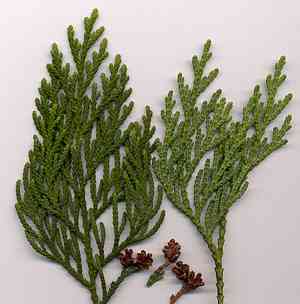
The optimal period for transplanting japanese thuja is at the onset of warmer temperatures, generally from late spring through early summer. Select a location that receives abundant sunlight and possesses good drainage, and during the relocation process, account for the plant's requirement for sufficient room to thrive.
Essential Preparations Before Relocating Japanese Thuja
Optimal Period for Moving Japanese Thuja?
The best time for transplanting japanese thuja is during the gentle transition from late spring to early summer. This timeframe offers a combination of warm soil and milder temperatures, which are ideal for root development and successful establishment. Relocating japanese thuja then allows it to acclimate before the intense summer heat, which can be taxing for newly moved plants, ensuring a smooth adjustment to its new spot.
Recommended Spacing Between Japanese Thuja Plants?
When moving japanese thuja, aim for a distance of 4-6 feet (1.2-1.8 meters) between each specimen. This spacing provides ample room for robust development. This initial step is crucial, so carefully plan your arrangement!
Ideal Soil Blend for Japanese Thuja Transplantation?
For japanese thuja, a well-draining soil with a slightly acidic pH is preferable. Incorporate a slow-release fertilizer during soil preparation to supply initial nutrients. An organic-based fertilizer would greatly benefit the plant's vitality.
Choosing a New Location for Your Japanese Thuja?
Select a site that receives full sun or partial shade for your japanese thuja. A location with at least six hours of sunlight daily would be excellent. Sunlight is vital for its growth, so choose wisely before the big move!
Equipment Needed Before Transplanting Japanese Thuja
Gardening Gloves
To safeguard your hands while handling soil and the plant.
Shovel or Spade
Used for excavating holes and extracting the plant from its original position.
Garden Trowel
Useful for digging smaller holes and precisely positioning your japanese thuja within the hole during transplantation.
A Bucket or Wheelbarrow
You'll require something to transport the japanese thuja from its initial spot to its new one.
Watering Can/Hose
For keeping the root ball of the japanese thuja moist throughout the process and for watering the plant post-transplant.
Mulch
To aid in retaining soil moisture and minimizing weed growth around the japanese thuja.
Stakes and Ties (optional)
If your japanese thuja is tall or top-heavy, you might need to secure it with stakes for stability after the move.
How to Extract Japanese Thuja from the Soil?
How to Extract Japanese Thuja from the Soil?
From Ground: First, hydrate the japanese thuja to moisten the soil. Next, dig a wide trench around the plant using a shovel or spade, ensuring the plant's root ball remains intact. Carefully work the spade beneath the root ball to lift the plant from its original location.From Pot: Water the japanese thuja thoroughly before starting the transplant. Place your hand over the top of the pot, with the stem of the japanese thuja between your fingers. Gently invert the pot and allow the plant and its root ball to slide out into your hand.From Seedling Tray: Use a garden trowel to scoop under the japanese thuja to lift it, aiming to preserve as much of the root system and its original compost as possible. Handle the japanese thuja carefully by the root ball and not by its stem to prevent damage.
Step-by-Step Guide for Transplanting Japanese Thuja
Soil Preparation
Prepare a hole that is twice as wide and equally deep as the current size of the japanese thuja's root ball. This will encourage the roots to spread and establish in the new area.
Plant Insertion
Position the japanese thuja in the center of the hole. The top of its root ball should be flush with or slightly above the soil surface.
Backfilling
Carefully refill the hole with the excavated soil, gently firming it around the root ball of the japanese thuja.
Watering
Water the japanese thuja thoroughly immediately after transplanting to settle the soil around the roots and help the plant adapt to its new location.
Mulching
Spread a thin layer of mulch around the base of the japanese thuja to retain moisture and suppress weeds. Avoid piling mulch against the stem of the japanese thuja.
Post-Transplant Care for Japanese Thuja
Hydration
Ensure the japanese thuja receives adequate water, especially during the initial weeks following transplantation. However, be careful not to overwater, as this could harm the plant. Approximately 1 to 2.5 inches per week, depending on the climate, is sufficient.
Pruning
Light pruning can be beneficial for the japanese thuja, but avoid extensive pruning immediately after transplanting, as the plant needs its foliage for photosynthesis and recovery.
Monitoring
Keep a close watch on the japanese thuja for signs of transplant shock, which may include wilting, yellowing leaves, or leaf drop. If these symptoms appear, continue ensuring proper watering and consider consulting a local nursery or cooperative extension for further guidance.
Addressing Common Issues with Japanese Thuja Transplantation.
When is the best time to transplant japanese thuja?
The ideal period to move japanese thuja is from late summer to early fall (S3-S4). This allows the roots sufficient time to establish before the cold season.
What is the correct distance to separate japanese thuja during transplanting?
Ensure to space japanese thuja approximately 4-6 feet (1.2-1.8 meters) apart. This provides ample room for each plant to grow healthily and robustly.
What is the procedure to prepare japanese thuja for transplanting?
Step 1: Water japanese thuja the day before relocating. Step 2: Dig around the plant's base, taking a wide perimeter to prevent root damage.
How to properly transplant japanese thuja to the new location?
Dig a hole twice the size of the root ball. Place japanese thuja in, ensuring it's at the same level it was previously planted. Backfill, firm the soil, and water.
What care should be provided after transplanting japanese thuja?
Water japanese thuja immediately after transplant and regulate watering for the subsequent few weeks. Mulching around the base can also help maintain soil moisture.
Can japanese thuja suffer transplant shock, and how can I prevent this?
Japanese thuja can experience transplant shock. Consistent watering and protecting it from extreme weather conditions during the first season can help mitigate this.
What should I do if japanese thuja appears to be wilting post-transplant?
It's common for japanese thuja to wilt after transplanting. Allow it time, maintain watering, and provide shade if necessary. If wilting persists, check for diseases or pests.
In what kind of soil does japanese thuja thrive best?
Japanese thuja flourishes in fertile, well-drained soil. It prefers slightly acidic soils but can tolerate neutral to slightly alkaline conditions.
Does japanese thuja need a support system after being transplanted?
It's beneficial for larger japanese thuja to have stakes for support to ensure upright growth. Smaller trees typically do well without support.
Is it necessary to prune japanese thuja after transplanting?
Pruning immediately after transplanting is not required. Allow japanese thuja to establish in its new site first. However, later, remove dead or diseased branches to encourage growth.



