How to Transplant Miracle fruit?
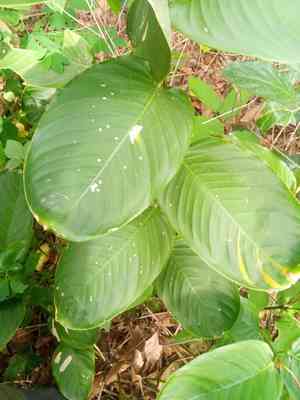
The ideal period for transplanting miracle fruit is from late spring to early summer, facilitating a seamless transition. Select a spot offering dappled light and sufficient humidity. Exercise caution during handling, as root systems thrive when left undisturbed.
What Preparations are Needed Before Transplanting Miracle Fruit?
What is the Ideal Time for Transplanting Miracle Fruit?
The optimal period for relocating miracle fruit is from late spring to early summer. This timeframe offers a mild climate, aiding root establishment without the stress of extreme temperatures, providing an ideal window for miracle fruit's development. Moving miracle fruit during this favorable season aligns with its natural growth cycle, boosting vitality and ensuring smooth adaptation. Your miracle fruit will respond with vigorous growth, healthier foliage, and a grateful acknowledgment of your garden's equilibrium.
How Much Space Should You Leave Between Miracle Fruit Plants?
When planting miracle fruit, allow ample room for each specimen to expand. The recommended spacing is 2-3 feet (0.6 - 0.9 meters) apart. This prevents competition for nutrients and space, maximizing their potential for successful growth.
What is the Best Soil Mix for Miracle Fruit Transplanting?
The perfect soil for miracle fruit should be rich and well-draining. Before transplanting, enrich the soil with a balanced base fertilizer, which will supply the essential nutrients miracle fruit needs to flourish. Remember that soil quality is crucial for determining the plant's productivity.
Where Should You Relocate Your Miracle Fruit?
The popular miracle fruit thrives in warm, humid conditions. Select a site that receives sufficient sunlight, ideally 6 hours daily, but also offers shade during the hottest parts of the day. Be aware that excessive heat can harm your plant!
What Equipments Should You Prepare Before Transplantation Miracle Fruit?
Shovel
Required for digging the new planting hole for miracle fruit and assisting in its removal from the current spot.
Gardening Gloves
To safeguard your hands while handling soil and the plant.
Pruning Shears
For trimming any damaged roots or removing unnecessary or broken branches to stimulate new growth after transplanting.
Watering Can
To hydrate miracle fruit before and after the transplant.
Tonkin Cane
Used as a support stake for the plant as it acclimates to its new location.
String
To secure miracle fruit to the stake, ensuring stability.
Gardening Trowel
Useful for refilling the hole and firming the soil around the plant.
Wheelbarrow
To transport soil or the plant if necessary.
Organic compost
To enrich the soil where you intend to plant miracle fruit.
How Do You Remove Miracle Fruit from the Soil?
How Do You Remove Miracle Fruit from the Soil?
From Ground: Begin by thoroughly watering the miracle fruit plant a day prior to transplanting to help reduce transplant shock. Next, dig a wide trench around the plant with a shovel, ensuring you are far enough away to avoid damaging the root system. Dig deep enough to get beneath the root ball. Once completed, you can carefully lift the plant from its original position.From Pot: Removing a miracle fruit plant from a pot is generally simpler than from the ground. Start by watering the plant deeply a day before the transplant. Turn the pot on its side, gently hold the plant by its base, and tap the bottom of the pot. The plant should slide out with the soil and roots intact.From Seedling Tray: If your miracle fruit is still a seedling, exercise extreme caution when removing it. Water the tray thoroughly and gently extract the seedling without harming the delicate roots. Hold it by the leaves, not the stem, as it can be easily damaged.
Step-by-Step Guide for Transplanting Miracle Fruit
Preparation
Water the miracle fruit plant thoroughly a day before transplanting. Ensure the new planting site is prepared before beginning the transplant process.
Digging a Hole
Use a shovel to excavate a hole that is twice as wide and nearly as deep as the root ball of your miracle fruit plant.
Placing the Plant
Position the plant in the hole, making sure the top of the root ball is level with the soil surface. It's crucial not to plant it deeper than its previous growth depth.
Backfill the Hole
Fill in around the plant using a mixture of the original soil and organic compost. Gently firm to eliminate any air pockets and create a slight mound around the base of miracle fruit.
Staking
If needed, use a stake to help the plant stand upright. Tie the miracle fruit plant to the stake with string, ensuring it's secure but not overly tight.
Watering
Once miracle fruit is in place, water thoroughly and gently to settle the soil around the roots.
How Do You Care For Miracle Fruit After Transplanting?
Pruning
It is important to trim any damaged roots or unnecessary branches before transplanting your miracle fruit to encourage new growth.
Air circulation
Ensure the miracle fruit plant is positioned with adequate space around it for air to circulate freely and deter disease.
Pest control
Monitor for common pests during the initial weeks following the transplant. If any signs appear, treat immediately with an appropriate solution.
Safe from harsh conditions
Shield your miracle fruit from severe weather conditions such as frost or strong winds by covering it or temporarily moving it indoors if feasible.
Watering
Maintain a consistent balance between moisture and drainage to keep miracle fruit healthy. Overwatering or underwatering could harm the plant.
Troubleshooting Common Issues with Miracle Fruit Transplantation.
When is the ideal time to transplant miracle fruit?
The perfect time to transplant miracle fruit is typically during the S3-S4 seasons, which generally offer optimal growing conditions.
What is the correct distance to keep between miracle fruit plants while transplanting?
For the successful growth of miracle fruit, it's important to maintain a distance of approximately 2-3 feet (60-90 cm) between each plant.
Whatâs my first step when preparing to transplant miracle fruit?
Begin by watering the miracle fruit thoroughly, a day or so before your planned transplanting. This will facilitate easier removal and transplantation.
What type of soil is best for transplanting miracle fruit?
Miracle fruit prefers a slightly acidic to neutral pH. Incorporate organic matter like compost into the soil to make it fertile and well-drained.
What size should the hole be when transplanting miracle fruit?
The hole should be twice as wide as, and slightly deeper than, the root ball of the miracle fruit, typically around 10 inches (25 cm).
Should I prune miracle fruit before transplanting?
Yes, prune any damaged or dead roots and shoots before transplanting miracle fruit to encourage new growth and reduce transplant shock.
How should I water miracle fruit after transplantation?
Immediately after transplanting miracle fruit, water generously. Thereafter, maintain a moderate watering pattern until the plant establishes itself.
What should I do if the leaves of transplanted miracle fruit turn yellow?
Yellow leaves might indicate overwatering or poor drainage. Provide good drainage and avoid overwatering to keep your miracle fruit healthy.
How do I assure miracle fruit transplant survival during unexpected weather changes?
In unexpected weather, provide shade or wind protection to ensure miracle fruit survives. Mulching can also help maintain ground temperature.
Are there any specific fertilizers recommended for miracle fruit after transplanting?
Miracle fruit would do well with a slow-release, balanced fertilizer. Also, organic compost can also help boost nutrient levels for healthy growth.



