How to Transplant Meadow rue?
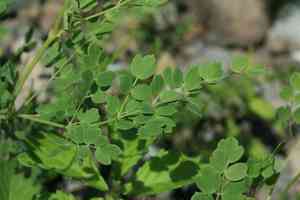
The optimal period for transplanting meadow rue is during its awakening in early spring or its dormancy in late autumn, preferably in cool, moderately shaded locations. Careful handling guarantees a smooth transition to its new environment.
What Preparations are Needed Before Transplanting Meadow Rue?
What is the Ideal Time for Transplanting Meadow Rue?
Carefully place meadow rue in its new location during late winter or early spring. This timing allows its roots to become established before the summer heat arrives.
How Much Space Should You Leave Between Meadow Rue Plants?
When arranging meadow rue, aim for adequate spacing to allow each plant to expand. A general guideline is approximately 18-24 inches (45-60 cm) between them. This provides your perennials with the necessary room to thrive!
What is the Best Soil Mix for Meadow Rue Transplanting?
For healthy meadow rue, prepare soil rich in organic material that drains effectively. Incorporating compost or well-rotted manure into the soil will create a strong base. Remember to add a balanced, slow-release fertilizer to give them an excellent start!
Where Should You Relocate Your Meadow Rue?
Find a location for your meadow rue that receives ample light but is shielded from harsh afternoon sunâpartial shade is perfect. This ensures they get sufficient light without the stress of excessive heat.
What Equipments Should You Prepare Before Transplantation Meadow Rue?
Gardening Gloves
To safeguard your hands while handling soil and plants.
Spade or Shovel
For excavating the plant and creating a new planting site.
Garden Fork
To loosen the earth surrounding the plant's root ball.
Pruning Shears
To trim any lifeless or damaged roots or foliage.
Watering Can or Hose
To hydrate the meadow rue prior to and following transplantation.
Wheelbarrow or Garden Cart
To move the meadow rue and soil.
Mulch
To assist in retaining soil moisture and regulating soil temperature around the recently transplanted meadow rue.
How Do You Remove Meadow Rue from the Soil?
How Do You Remove Meadow Rue from the Soil?
From Ground: First, moisten the meadow rue to dampen the soil. Next, dig a wide trench around the plant using a spade or shovel, ensuring the plant's root ball remains intact. Carefully work the spade beneath the root ball to lift the meadow rue from its original spot.From Pot: Water the meadow rue and gently tap the pot's sides to loosen the soil. Invert the pot and allow the root ball to slide out, supporting the plant by its stem base. Be cautious not to pull the plant by its stems or leaves.From Seedling Tray: Dampen the soil in the tray. Use a fork or your fingers to carefully lift each meadow rue seedling, making sure some soil around the roots comes with it to minimize root disturbance.
Step-by-Step Guide for Transplanting Meadow Rue
Preparation
Gather all necessary tools and confirm the new planting location is ready for the meadow rue.
Removal
Follow the appropriate meadow rue extraction method based on its initial position (ground, pot, or seedling tray).
Root Inspection
Examine the meadow rue's roots for any indications of harm or disease and use pruning shears to trim as needed.
Hole Digging
Excavate a hole in the chosen spot that is twice as wide and the same depth as the meadow rue's root ball.
Planting
Gently lower the meadow rue's root ball into the hole, positioning it so the top of the root ball is level with the soil surface.
Backfilling
Fill in the area around the meadow rue's root ball with soil, gently firming it down to eliminate any air pockets.
Watering
Thoroughly water the meadow rue to settle the soil and provide moisture for its roots.
Mulching
Apply a layer of mulch around the meadow rue, keeping it away from the plant's stems to prevent rot.
How Do You Care For Meadow Rue After Transplanting?
Watering
Maintain consistent moisture in the soil around the meadow rue for the initial weeks following transplantation.
Monitoring
Observe for signs of transplant shock, which might include wilting foliage or a lack of new growth.
Supporting
If the meadow rue is a taller variety, it may require staking or other support to prevent damage from wind.
Troubleshooting Common Issues with Meadow Rue Transplantation.
When is the best time to transplant meadow rue?
Optimal transplanting occurs in early to late spring or from late fall to early winter, avoiding extreme temperatures.
How far apart should I space meadow rue when transplanting?
Meadow rue thrives when spaced 18-24 inches (45-60 cm) apart, allowing ample room for growth.
What soil conditions favor meadow rue after transplanting?
Meadow rue prefers well-drained, fertile soil. Amend with organic matter to enhance soil structure and fertility.
How deep should I plant meadow rue during transplantation?
Place meadow rue at the same depth it grew previously, ensuring the top of the root ball is level with the soil surface.
Is sunlight exposure crucial for meadow rue after transplanting?
Meadow rue performs best in partial shade; avoid intense midday sun that can stress the newly transplanted plant.
Should I water meadow rue immediately after transplanting?
Yes, water meadow rue thoroughly to settle the soil around the roots and help alleviate transplant shock.
How do I handle meadow rue's root ball during transplanting?
Gently tease out the roots if pot-bound, and handle the root ball with care to prevent damage.
What signs indicate transplant shock in meadow rue?
Wilting leaves or stunted growth post-transplant may signal shock; ensure proper care and avoid drastic changes.
Can mulching benefit meadow rue after transplanting?
Mulching helps retain moisture, regulates soil temperature, and reduces weed competitionâbeneficial for meadow rue's establishment.
How do I choose the right location for transplanting meadow rue?
Select a spot with the right sunlight, space, and soil quality to match meadow rue's preferences for optimal growth.



