How to Transplant Early Meadow Rue?
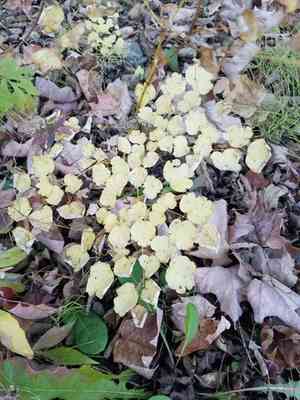
For early Meadow Rue, the initial weeks of spring's arrival represent the ideal time for relocation, as the plant thrives in moderate soil conditions prior to the intensity of summer. Choose a location with filtered sunlight, enhancing your transplanting efforts with soil that drains effectively and a careful, supportive approach.
What Preparations are Needed Before Transplanting Early Meadow Rue?
What is the Ideal Time for Transplanting Early Meadow Rue?
For early Meadow Rue, the perfect time for relocation is from mid-spring's renewal to late spring's full bloom. This period offers gentle warmth and stable weather, ideal for delicate root establishment. Moving early Meadow Rue then leverages the season's mild temperatures, protecting young plants from summer heat or winter frost. Consistent spring rains also provide natural hydration, reducing the need for extra watering. Furthermore, a favorable spring transplant allows these perennials to build strength for future seasons. Choosing this strategic timing ensures smooth acclimatization, paving the way for robust growth and eventual flourishing.
How Much Space Should You Leave Between Early Meadow Rue Plants?
When relocating early Meadow Rue, ensure ample room for development. Position your plants approximately 2-3 feet (60-90 cm) apart. This spacing will allow them to expand and thrive.
What is the Best Soil Mix for Early Meadow Rue Transplanting?
Early Meadow Rue thrives in well-drained soil. Incorporate compost into your garden soil to boost nutrient content. Adding a foundational fertilizer like bone meal can also provide early Meadow Rue with a strong start.
Where Should You Relocate Your Early Meadow Rue?
Select a location with partial shade for your early Meadow Rue. They benefit from a few hours of daily sunlight but also perform well in filtered, dappled light. Excessive direct sun exposure might cause harm.
What Equipments Should You Prepare Before Transplantation Early Meadow Rue?
Gardening Gloves
To safeguard your hands while handling early Meadow Rue and working with the soil.
Shovel or Spade
To carefully extract the early Meadow Rue from its initial spot, ensuring the root ball remains intact.
Gardening Trowel
This tool is useful for excavating holes and shifting soil during the transplanting process. Its compact and precise nature makes it ideal for relocating smaller specimens.
Watering Can
To hydrate the plant both prior to and following the transplanting procedure.
Mulch
Applied after transplanting to help maintain moisture and temperature levels, thereby reducing plant stress.
Stake and Tie
If your early Meadow Rue plant is taller or top-heavy after transplanting, you will need a stake and ties to provide stable support as its roots become established.
How Do You Remove Early Meadow Rue from the Soil?
How Do You Remove Early Meadow Rue from the Soil?
From Ground: Begin by watering the early Meadow Rue plant to make the soil easier to work with. Using your shovel or spade, carefully dig a trench around the plant, taking care to keep the plant's root ball undisturbed. Gently lift the plant from its hole, minimizing root disruption as much as possible.From Pot: If the early Meadow Rue plant is currently in a container, first water it thoroughly. While supporting the plant with your other hand, invert the pot. Tap the rim of the pot against a firm surface; the plant and root ball should then slide out. Handle the plant by the root ball to prevent stem and root damage.From Seedling Tray: If your early Meadow Rue plant is in a seedling tray, water it first. Apply gentle upward pressure on the bottom of the individual compartment; the seedling should slide out, root ball and all. Remember to handle it by the root ball or leaves, never by the stem.
Step-by-Step Guide for Transplanting Early Meadow Rue
Digging the Hole
Using your trowel, excavate a hole at the chosen site. The hole should be twice the width of the root ball and of the same depth, ensuring early Meadow Rue is planted at its original depth.
Prepping the Plant
Gently extract the early Meadow Rue from its initial location using the appropriate method (detailed above).
Placing the Plant
Position the early Meadow Rue in the hole you've prepared. Ensure it is centered and upright. The top of the root ball should be level with or slightly above the surrounding soil.
Backfilling
Carefully refill the hole, packing soil into all gaps around the root ball. Keep the early Meadow Rue upright and centered throughout this process.
Watering
Once planted, thoroughly water the early Meadow Rue. This aids in settling the soil around the roots.
Mulching
Apply a layer of mulch around the early Meadow Rue, keeping it away from the stem. This helps maintain soil moisture levels and regulate temperature, reducing plant stress after transplantation.
How Do You Care For Early Meadow Rue After Transplanting?
Watering
For the initial few weeks, keep the soil consistently moist but not waterlogged. Early Meadow Rue requires this steady moisture to establish its roots in its new spot.
Staking
Tall or top-heavy early Meadow Rue plants can be supported with stakes to help them remain stable while roots establish. Remove these supports once the plant is firm.
Mulching
Replenish mulch as needed. It plays a vital role in maintaining humidity and temperature, which are crucial for successful transplantation.
Monitor
Closely observe the early Meadow Rue plant for several weeks. Signs of wilting or discoloration may indicate transplant stress. Mitigate this by ensuring adequate water and protection from harsh weather or pests.
Pruning
Any dead or damaged leaves should be trimmed to lessen plant stress and direct early Meadow Rue's energy towards new growth.
Troubleshooting Common Issues with Early Meadow Rue Transplantation.
When is the best time to transplant early Meadow Rue?
The most opportune period to transplant early Meadow Rue is during mid to late S2-S3. This allows the plant ample time to develop robust root systems before the growing season.
What is the ideal spacing when transplanting early Meadow Rue?
When relocating early Meadow Rue, provide sufficient room for each plant. A distance of 2-3 feet (0.61-0.91 meters) between each plant should be adequate for healthy development.
How do I prepare the soil for transplanting early Meadow Rue?
Before transplanting, enrich the soil with organic matter or compost. Ensure the soil is loose and drains well to support early Meadow Rue's root growth.
What type of sunlight exposure does early Meadow Rue need?
Early Meadow Rue prefers partial to full shade. Providing the correct amount of sunlight can help it achieve optimal development.
How deep should I plant early Meadow Rue?
Dig a hole deep enough to accommodate early Meadow Rue's root system. Ideally, the top of the roots should be level with the soil surface after planting.
How should I water early Meadow Rue after transplanting?
Water early Meadow Rue thoroughly immediately after transplanting. Continue with moderate watering to keep the soil evenly moist but not saturated. Overwatering can lead to root rot.
What should I do if the leaves of my transplanted early Meadow Rue start to wilt?
Wilting after transplanting can be common. Ensure the plant is receiving proper watering and is not stressed by excessive sunlight. The plant should recover with consistent care.
Should I prune early Meadow Rue after transplanting?
Pruning is not essential for early Meadow Rue after transplant. However, if the plant appears unhealthy, feel free to trim off any damaged or diseased-looking stems to encourage growth.
What should be done if pests appear on early Meadow Rue?
If pests emerge, remove them manually or use a plant-friendly pesticide. Always inspect early Meadow Rue regularly as part of your post-transplant care to detect issues early.
What if my early Meadow Rue doesn't show growth following transplant?
If you observe no growth after several weeks, examine factors such as soil condition, watering, sunlight, and spacing. Correcting any unfavorable conditions should stimulate growth.



