How to Transplant Hardy canna?
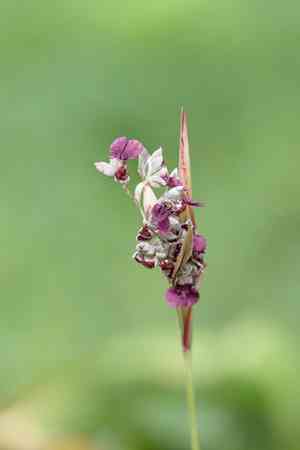
The ideal period to relocate hardy canna is as spring progresses, guaranteeing vigorous development. Select a brightly lit location with damp earth. Careful manipulation during the transfer promotes flourishing leaves and flowers.
What Preparations are Needed Before Transplanting Hardy Canna?
What is the Ideal Time for Transplanting Hardy Canna?
The perfect moment to move hardy canna to a new spot is once the frost has passed, signaling the start of spring. During this period of renewal, your hardy canna will find optimal conditions for root development, as the ground begins to warm and moisture is typically plentiful. This strategic timing allows hardy canna to establish itself well before the intense demands of summer, resulting in a strong, vibrant plant ready for vigorous growth.
How Much Space Should You Leave Between Hardy Canna Plants?
For the most beautiful garden, aim to provide hardy canna with at least 2-3 feet (60-90 centimeters) of room. This ensures each plant has ample space to expand. Remember, while companionship is always valued, everyone, including plants, appreciates a bit of personal territory!
What is the Best Soil Mix for Hardy Canna Transplanting?
To create a welcoming home for hardy canna, prepare the soil with a well-draining loamy or sandy type. Incorporate some foundational fertilizer, such as compost or a balanced slow-release variety. Imagine you're preparing a mealâbut instead of dinner, you're crafting a stylish abode for our green companion hardy canna.
Where Should You Relocate Your Hardy Canna?
When considering the perfect location for your hardy canna, remember its fondness for sunbathing. Choose a spot with full to partial sun exposure where it can absorb all the necessary light. Think of it like finding that ideal beach spotâminus the ocean waves!
What Equipments Should You Prepare Before Transplantation Hardy Canna?
Gardening Gloves
These will safeguard your hands while handling the soil and hardy canna.
Shovel/Spade
Used for excavating the plant from its original site, and also for preparing the new planting area.
Garden Fork
This tool can assist in loosening the soil around the hardy canna before removal, and also for mixing compost into the new planting bed.
Pruning Shears
Essential for trimming any damaged or lifeless leaves and stems.
Watering Can/Hose
For hydrating the hardy canna both before and after its relocation.
Wheelbarrow (optional)
To transport the hardy canna from its initial position to its new spot, especially if it's quite large and heavy.
Tarp (optional)
If a wheelbarrow isn't available, a sturdy tarp can also be utilized for moving the hardy canna.
How Do You Remove Hardy Canna from the Soil?
How Do You Remove Hardy Canna from the Soil?
From Ground: Start by thoroughly saturating the hardy canna to moisten the earth. Using a shovel or garden fork, dig a wide trench around the hardy canna, ensuring the root ball remains intact. Carefully work the spade beneath the root ball to lift the hardy canna from its location. If the hardy canna is large, assistance from another person or the use of a wheelbarrow or tarp may be necessary to prevent plant damage.From Pot: Water the hardy canna until the soil is damp. Gently invert the pot while supporting the base of the hardy canna's stems. Lightly tap the bottom of the pot until the root ball slides out.From Seedling Tray: Begin by watering the tray to moisten the soil. Gently grasp the base of the hardy canna's stem and slowly lift it. Exercise caution to avoid harming the delicate roots.
Step-by-Step Guide for Transplanting Hardy Canna
Digging Hole
Once the area is prepared, excavate a hole deep enough to accommodate the hardy canna's roots, and wide enough to allow for root expansion.
Placing the Plant
Carefully position the hardy canna in the hole. Ensure the top of the root ball is level with the surrounding ground.
Refilling the Hole
Backfill the hole, gently firming the soil around the plant as you proceed. Avoid mounding soil onto the hardy canna's stem, as this can lead to rot.
Watering
Immediately after transplanting, water thoroughly to help settle the soil and eliminate any air pockets.
Mulching
Following watering, spread a layer of mulch around the base of the hardy canna to retain moisture and stabilize soil temperature.
How Do You Care For Hardy Canna After Transplanting?
Monitoring
Inspect the hardy canna daily for the initial couple of weeks. Look for any indications of transplant shock, such as wilting leaves or yellowing foliage.
Watering
Keep the soil moist, but not waterlogged. Depending on weather conditions, daily watering might be required during the first two weeks. Afterward, you can adjust to the regular watering schedule based on the specific needs of the hardy canna.
Pruning
Trim away any dead or damaged parts of the hardy canna to redirect energy towards new growth.
Fertilizing
Refrain from fertilizing until new growth appears, which signals that the hardy canna has recovered from transplant shock and is ready to grow.
Troubleshooting Common Issues with Hardy Canna Transplantation.
When is the best time to transplant hardy canna?
The optimal period for transplanting hardy canna is during S1-S2. This corresponds to the plant's dormant phase, minimizing transplant shock.
How much spacing is required when transplanting hardy canna?
When relocating hardy canna, ensure a distance of 2-3 feet (0.6-0.9 meter) between each plant. This promotes healthy development.
What kind of soil does hardy canna prefer for transplantation?
Hardy canna thrives in rich, well-draining soil. Avoid waterlogged areas as this can lead to root rot or other fungal diseases.
What's the ideal depth for planting hardy canna while transplanting?
The ideal depth is typically equivalent to the height of the root ball or its container. This ensures stable growth for hardy canna.
Should I water hardy canna immediately after transplanting?
Absolutely! Watering hardy canna right after transplanting helps to settle the soil around the plant and lessens transplant shock.
Should I prune hardy canna before or after transplanting it?
Prune hardy canna before transplanting. This reduces the plant's energy demands and contributes to a more successful transplantation process.
I transplanted hardy canna, but it's wilting. What did I do wrong?
Wilting post-transplant can be attributed to transplant shock. Try providing adequate water and ensure it's not exposed to extreme weather conditions.
What size of pots should I use for transplanting hardy canna?
The pot size largely depends on the size of hardy canna's root ball. However, a pot with a diameter of 10-12 inches (25-30 cm) should suffice for most mature plants.
My transplanted hardy canna isn't growing. Any advice?
Patience is crucial. Remember, it takes time for hardy canna to adapt to its new surroundings. Continue to provide the correct care and conditions for its growth.
Can I fertilize hardy canna immediately after transplanting it?
Wait for hardy canna to acclimate to its new environment before fertilizing, typically around 2-4 weeks after transplanting. This helps prevent stress on the plant.



