How to Transplant Japanese yew?
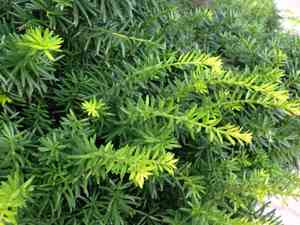
The ideal period for relocating japanese yew spans from the beginning of summer to its conclusion, or from mid-autumn to the start of winter, facilitating prime development. Select a site featuring soil that drains effectively and receives either partial or complete sun exposure. Carefully disentangle the root mass if required during the transplanting process to encourage robust root establishment.
Essential Preparations Before Relocating Japanese Yew
Optimal Period for Moving Japanese Yew?
The best time to move your japanese yew spans from the pleasant early summer months through mid-autumn or early winter. This seasonal window offers a less stressful environment for japanese yew, promoting better root development. Perform the necessary steps—digging, lifting, and moving—during this period for the most beneficial outcome for japanese yew's growth.
Recommended Spacing Between Japanese Yew Plants?
When moving your japanese yew, aim to position them approximately 3-5 feet (0.9-1.5 meters) apart. This spacing allows each plant ample room to expand without overcrowding or competing for vital nutrients and sunlight.
Ideal Soil Blend for Japanese Yew Relocation?
To prepare the soil for your japanese yew, use a well-draining, slightly acidic soil with a pH between 6.0 and 6.5. Incorporate organic material, such as compost or peat moss, and a balanced, slow-release fertilizer to supply essential nutrients as your plant matures.
Where to Replant Your Japanese Yew?
For a flourishing japanese yew, select a spot that receives partial to full sunlight, ideally with morning sun and afternoon shade. This will prevent scorching and ensure proper growth and development in your plant's new home!
Equipment Needed Before Transplanting Japanese Yew
Gardening Gloves
To safeguard your hands while handling soil and plants.
Shovel or Spade
For excavating and removing earth.
Pruning Shears
To trim any damaged roots or branches.
Wheelbarrow or Tarp
For moving the plant and maintaining a tidy workspace.
Garden Fork
To loosen and aerate the soil at the new planting site.
Watering Can or Hose
To hydrate the plant before and after relocation.
Stakes and Ties
To offer support for the plant if required.
How to Extract Japanese Yew from the Ground
How to Extract Japanese Yew from the Ground?
From Ground: First, water the japanese yew plant to moisten the soil. Next, dig a wide trench around the plant using a shovel or spade, ensuring the plant's root ball remains intact. Carefully work the spade beneath the root ball to lift the plant from its original spot.From Pot: Water the japanese yew plant to ensure the soil is damp. Gently remove the plant from its container by turning it on its side and tapping the bottom of the pot or rolling it softly on the ground to loosen the soil. Carefully slide the plant out of the pot, keeping the root ball whole.From Seedling Tray: Water the japanese yew seedling tray to dampen the soil. Use a small trowel or your fingers to create a small gap around the seedling. Gently lift the seedling by its leaves, ensuring the roots are undisturbed.
Step-by-Step Guide for Relocating Japanese Yew
Location Selection
Choose a spot with adequate room for your japanese yew plant to reach its mature size.
Soil Preparation
Use a garden fork to loosen and aerate the soil in the new planting area, incorporating any necessary amendments to create a well-draining, fertile soil.
Digging the Hole
Excavate a hole that is slightly larger and deeper than the root ball of your japanese yew plant.
Positioning the Plant
Gently place the plant in the hole, ensuring the top of the root ball is level with the surrounding soil and the plant stands upright.
Backfilling and Firming
Fill in the hole with soil, gently tamping it down as you go to remove air pockets and ensure the plant is firmly in place.
Watering
Thoroughly water the relocated japanese yew plant to settle the soil around the roots and eliminate any remaining air pockets.
Staking (if necessary)
If your japanese yew plant requires support, install stakes around it and gently secure the plant with ties.
Post-Transplant Care for Japanese Yew
Watering
Keep the soil around the japanese yew consistently moist, but not waterlogged, for the initial few weeks after transplanting to aid in establishing strong roots.
Fertilizing
Wait several weeks before applying any fertilizer to prevent stressing the plant. After this period, apply a balanced slow-release fertilizer according to product instructions.
Pruning and Trimming
Remove any damaged or dead branches and trim the japanese yew plant to maintain its desired shape, if needed.
Monitoring
Observe the japanese yew plant for any indications of stress or pests and address any issues promptly to ensure the plant's successful establishment.
Resolving Common Issues with Japanese Yew Transplantation.
When is the optimal time to move japanese yew?
You should move japanese yew during the period from early summer to mid-autumn or between mid-autumn and early winter. These times are most favorable for the plant.
What spacing should I use for japanese yew when transplanting?
Japanese yew should be spaced at intervals of 3 to 5 feet (0.9 to 1.5 meters). This provides each plant sufficient room to grow effectively.
What if my relocated japanese yew shows signs of distress?
Firstly, ensure japanese yew is not receiving excessive sunlight; it thrives better in partial shade. Secondly, check the soil's pH level; japanese yew prefers slightly acidic to neutral soil.
Do japanese yew handle transplantation well?
Yes, japanese yew is a very resilient species and can be successfully transplanted, provided it receives proper aftercare including watering and feeding.
How to prepare the soil when moving japanese yew?
Before moving, enrich the soil with compost or organic matter to enhance its nutritional content. Ensure the soil pH is slightly acidic to neutral for japanese yew to grow well.
How frequently should I water japanese yew after transplanting?
Japanese yew requires regular watering, especially for the first few weeks after transplanting until it is well established. Once established, water it when the top inch of soil (2.5 cm) is dry.
What's an effective method to reduce transplant shock in japanese yew?
To minimize transplant shock in japanese yew, preserve as much of the original root system and soil as possible when relocating the plant. Consistent watering also helps.
Why are my relocated japanese yew's needles turning brown?
Browning needles may indicate that the japanese yew is getting too much sunlight, is not properly watered, or potentially has a disease. Check for these issues and correct them accordingly.
Is pruning necessary for japanese yew after transplanting?
No immediate pruning is needed post-transplanting, except for damaged or diseased branches. Allowing japanese yew a year to establish is ideal before any significant pruning.
Should I fertilize japanese yew immediately after transplanting?
No, you should wait for japanese yew to establish before fertilizing. Introducing fertilizer immediately may harm the plant. Instead, begin fertilizing after its first year post-transplantation.



