How to Transplant Canada yew?
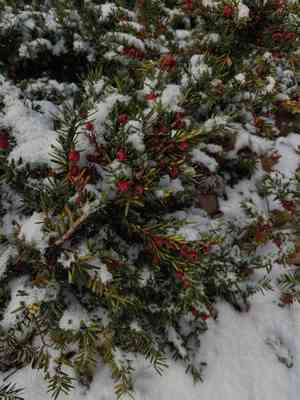
The most favorable period for transplanting canada yew is in the spring, when the earth is damp and beginning to warm. Select a shaded location featuring soil that drains effectively, and if the root system is compact, carefully separate the roots prior to placement.
What Preparations are Needed Before Transplanting Canada Yew?
What is the Ideal Time for Transplanting Canada Yew?
The optimal period for relocating canada yew is early spring. This season, often characterized by mild weather, provides canada yew ample opportunity to establish its root system prior to summer's heat. Moving canada yew at this time minimizes plant stress, promoting vigorous development throughout the growing season. As you prepare, remember that the softer soil in spring simplifies pre-transplant steps, ultimately contributing to the success of canada yew.
How Much Space Should You Leave Between Canada Yew Plants?
Firstly for canada yew, sufficient growing room is crucial. Ideally, position each canada yew approximately 4-6 feet (1.2-1.8 meters) apart. This provides enough space for its branches to spread without becoming overcrowded. Happy planning!
What is the Best Soil Mix for Canada Yew Transplanting?
Indeed, the soil! Canada yew thrives in soil that drains well yet retains moisture. Therefore, ensure it contains some clay, sand, or silt. You might incorporate a layer of compost or organic material as a foundational fertilizer to enrich it. Horticultural satisfaction stems from proper soil preparation!
Where Should You Relocate Your Canada Yew?
Lastly, let's discuss placement. Canada yew tolerates both full sun and partial shade, so a location receiving sunlight but also some shade would be excellent. Remember, selecting the correct spot completes half the task. Best of luck!
What Equipments Should You Prepare Before Transplantation Canada Yew?
Gardening Gloves
To protect your hands from thorns or sharp edges during the procedure.
Shovel
To excavate holes for the canada yew plant in the ground, and also to extract it from its current position.
Wheelbarrow
To transport the canada yew plant around the garden, safely and effectively.
Bypass Pruners
To trim and shape the canada yew plant before and after its relocation.
Garden Hose or Watering Can
To hydrate the canada yew plant before and after moving it.
Tarp
Cover the excavation when moving the canada yew to prevent any soil or debris from entering the cavity.
Rooting Hormone
Apply this to the root ball of canada yew to stimulate new root development post-transplant.
How Do You Remove Canada Yew from the Soil?
How Do You Remove Canada Yew from the Soil?
From Ground: Begin by thoroughly watering the canada yew plant to soften the soil and make it easier to work with. Once the soil is moist, use a shovel to dig around the plant until the main root system is exposed. Ensure you dig wide and deep enough so the root ball remains intact. Once the root ball is free, carefully lift the plant from the ground with the aid of a tarp and place it into the wheelbarrow for transport.From Pot: Thoroughly moisten the soil to dampen it, which can facilitate removal. Tilt the pot sideways and gently tap it to release the canada yew plant. Once the root ball is visible, carefully pull the plant out of the pot. If it resists, do not pull forcefully. Instead, tap the pot more firmly a few times.From Seedling Tray: Water the well-developed canada yew seedling thoroughly, then gently push it out of its cell from the bottom. Hold the seedling by its leaves rather than its stem to avoid any damage. Lift it carefully to prevent harming the roots.
Step-by-Step Guide for Transplanting Canada Yew
Before Transplant
Thoroughly water the canada yew plant several hours before you intend to transplant it. This helps to moisten the soil and makes it easier to remove the plant.
Digging
Excavate a hole that is twice the width of the root ball. The depth of the hole should ensure the root ball sits at the same level as the surrounding ground.
Prepare Plant
Apply rooting hormone to the root ball of the canada yew plant to accelerate root development.
Planting
Position the plant into the hole. Backfill around the plant with garden soil and gently firm this soil down with your hands.
Watering
Water the plant thoroughly immediately after it has been planted.
How Do You Care For Canada Yew After Transplanting?
Watering
Keep the soil consistently moist but avoid excessive watering, as this can lead to root rot.
Trimming
Lightly prune the canada yew plant after transplanting to help it conserve energy for root development. Remove any dead or damaged branches.
Protection
Apply a layer of mulch around the base of the plant after planting. This will help regulate soil temperature and retain moisture.
Monitoring Growth
Closely observe the plant for a few weeks following transplantation. Look for signs of transplant shock, such as wilting or yellowing leaves. If these symptoms appear, provide additional care.
Troubleshooting Common Issues with Canada Yew Transplantation.
When is the best time to transplant canada yew?
The optimal transplanting period for canada yew is typically in S1-S3. Ensure the plant is dormant to minimize shock.
What is the ideal distance to maintain between multiple canada yew while transplanting?
To allow sufficient room for growth, maintain a distance of 4-6 feet (1.2 - 1.8 meters) between each canada yew.
How to prepare the planting location for canada yew?
Loosen the soil to a depth of approximately 10 inches (25 cm). If the soil is dense, incorporate some compost to enhance aeration and drainage.
Why are my transplanted canada yew browning and wilting?
This could be due to transplant shock. Ensure the canada yew is well-watered, the root ball remains intact during transplantation, and avoid excessive sun exposure.
How should I water a transplanted canada yew?
Water thoroughly after planting, then regularly enough to keep the soil moist, not saturated. Adjust based on weather conditions and soil type.
Can I transplant canada yew in pots?
Yes, you can. Ensure the pot is large enough to accommodate future growth and has adequate drainage holes to prevent waterlogging.
Which kind of soil is suitable for transplanting canada yew?
Canada yew prefers well-draining soil with a slightly acidic to neutral pH. You can modify the pH using soil amendments if necessary.
What depth is suitable for the hole while transplanting canada yew?
Dig a hole twice the width and equal to the height of the root ball. Too deep can lead to root rot, too shallow can dry out roots.
My transplanted canada yew has stopped growing, what should I do?
Ensure it receives adequate water and light. Adding a slow-release fertilizer can also encourage growth, but be careful not to over-fertilize.
Is it necessary to stake the transplanted canada yew?
Staking is generally not required for canada yew, unless it is in a particularly windy area. If staking is needed, be cautious not to harm the trunk.



