How to Transplant Pacific yew?
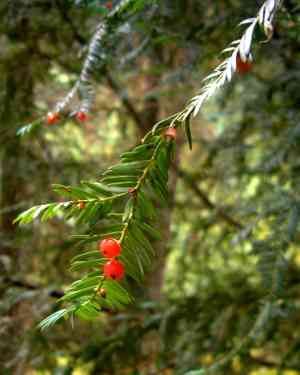
The optimal period for relocating pacific yew is during temperate weather, generally from late spring to mid-summer, enabling root systems to become established without intense heat. Select a shaded spot featuring soil that drains effectively. Provide sufficient water following the transplant to stimulate development.
What Preparations are Needed Before Transplanting Pacific Yew?
What is the Ideal Time for Transplanting Pacific Yew?
The best time to move pacific yew is from late spring to early summer, when conditions support strong root development. Relocating pacific yew during this period leverages the warm soil and mild temperatures, which are vital for its recovery and growth. With helpful guidance, let's ensure pacific yew gets the best start in its new spot by selecting this gentle, growth-promoting window!
How Much Space Should You Leave Between Pacific Yew Plants?
Ensure adequate room for your pacific yew. For optimal development, maintain a distance of approximately 6-10 feet (1.8-3 meters). This will allow pacific yew the space to expand and thrive.
What is the Best Soil Mix for Pacific Yew Transplanting?
Your pacific yew prefers soil that drains well yet retains moisture. Incorporate organic materials such as compost or aged manure as your primary fertilizer. Ensure the soil is slightly acidic, as pacific yew flourishes in these conditions.
Where Should You Relocate Your Pacific Yew?
Pacific yew enjoys partial shade to full sun, but performs best with morning sun and afternoon shade. Confirm your chosen spot is not exposed to intense afternoon sunlight. Happy Gardening!
What Equipments Should You Prepare Before Transplantation Pacific Yew?
Gardening Gloves
To wear while handling soil and plants, and to prevent skin irritations.
Shovel or Spade
Perfect for digging holes and trenches without harming plant roots.
Garden Trowel
Useful for smaller digging tasks, such as extracting the pacific yew from a container.
Watering Can/Hose
To hydrate the plant before and after moving it.
Mulch
To assist in retaining moisture in its new location.
Support Stakes
If pacific yew is mature or tall, it might require additional support during relocation.
Pruning Shears
To trim the pacific yew if necessary during the transplanting process.
How Do You Remove Pacific Yew from the Soil?
How Do You Remove Pacific Yew from the Soil?
From Ground: Water the pacific yew plant to soften the earth. Then, dig a wide trench around the pacific yew using a shovel or spade, being careful to keep the root ball intact. Gently lift the spade beneath the root ball to extract the pacific yew from its original spot.From Pot: Begin by watering the pacific yew plant to moisten the soil, which facilitates removal. Turn the pot on its side, then support the pacific yew's main stem with one hand and tap the pot's edge to loosen the plant. If it's stubborn, you might need to gently pull at the base of the main stem.From a Seedling Tray: Use a garden trowel or your hands to carefully ease each pacific yew seedling out of its cell, handling the seedling by its leaves to avoid stem damage. If the seedlings are densely packed, push them from the bottom to release them.
Step-by-Step Guide for Transplanting Pacific Yew
Preparing the new location
Dig a shallow, wide planting hole. The hole should be three times the root ball's diameter, but no deeper. Place pacific yew in the hole, ensuring the top of the root ball is level with the soil surface.
Transplanting
Position the pacific yew in the new hole, making sure it stands upright. Backfill the hole with the native soil you removed.
Watering
Immediately after transplanting pacific yew, water thoroughly. This helps settle the soil and lessens transplant shock.
Final Touches
If needed, stake larger pacific yew to keep them upright and secure. Spread mulch around the base of the pacific yew to help retain moisture.
How Do You Care For Pacific Yew After Transplanting?
Water Management
For the initial weeks following transplantation, keep the soil around the pacific yew consistently moist. Be cautious not to overwater – the soil should be damp, not saturated.
Support
If you have staked your pacific yew, check regularly to ensure the ties are not too tight. Do not leave the stakes in for more than one season.
Pruning
After the transplant, you might observe some leaves yellowing or falling off; this is a normal reaction. You can prune these to improve the pacific yew's appearance and encourage new growth.
Mulching
Replenish the mulch as necessary, but be careful not to pile it against the stem of the pacific yew plant.
Troubleshooting Common Issues with Pacific Yew Transplantation.
What's the right time of year to transplant pacific yew?
The optimal period to transplant pacific yew is during the late spring to early summer season.
What kind of spacing does pacific yew need when transplanting?
Pacific yew thrives best when given a space of 6-10 feet (approximately 1.8-3 meters), allowing its roots ample room to grow.
How deep should I plant pacific yew when transplanting?
Plant pacific yew so the top of the root ball is at or slightly above ground level; about 2 inches (5 cm) deep should be sufficient.
What soil condition is suitable for transplanting pacific yew?
Pacific yew prefers well-drained, acidic soil rich in organic matter. Soil pH should ideally range from 6.0 to 7.0.
How much should one water pacific yew after transplanting?
Water thoroughly after transplanting, ensuring the soil is evenly moist but not waterlogged. Continue regular watering until pacific yew is well-established.
Why are the leaves on my transplanted pacific yew turning yellow?
Yellow leaves can indicate overwatering or poor drainage. It's crucial to water pacific yew just enough to keep the soil moist, but not saturated.
Can I transplant pacific yew in direct sunlight?
Pacific yew prefers part-shade to full-sun conditions, though it can tolerate various light levels. However, excessive direct sunlight may cause leaf scorch.
After transplanting, my pacific yew isn't growing. What could be wrong?
Pacific yew may require some time to adjust after transplant. If it doesn't begin growing after a few weeks, check soil conditions, light exposure, and water levels.
What is the growth rate of pacific yew after transplanting?
Pacific yew is a slow-growing plant, typically growing 6-12 inches (15-30 cm) per year after transplant. So, don't be concerned if you don't observe rapid growth.
What care is needed after transplanting pacific yew?
After transplanting pacific yew, keep the soil moist but not waterlogged, protect it from extreme weather, and feed periodically with an all-purpose fertilizer for the best outcomes.



