How to Transplant Common yew?
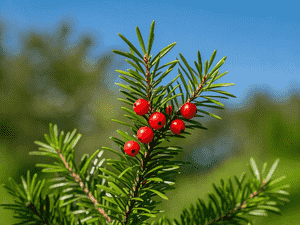
The ideal period for relocating common yew is in the spring, as new development begins. Select shaded areas featuring soil that drains effectively. Provide sufficient room for root expansion to encourage vigorous development.
Essential Preparations Before Relocating Common Yew?
When is the Best Time to Move Common Yew?
The optimal period for relocating common yew is during the spring months, leveraging the mild weather and natural growth cycle. This timing promotes strong root development and minimizes stress.
What is the Recommended Spacing Between Common Yew Plants?
When relocating common yew, provide ample room for its expansion. Ideally, position plants approximately 5-6 feet (1.5-1.8 meters) apart. This will allow common yew sufficient space for healthy growth and a lush appearance in your landscape.
Which Soil Mixture is Ideal for Common Yew Relocation?
Common yew thrives in well-drained, sandy or loamy soil. Enhance your planting area with a foundational fertilizer like compost or aged manure. This will provide common yew with a nutrient-rich start in its new spot.
Where Should You Replant Your Common Yew?
Common yew flourishes in locations with either full sun or partial shade. Therefore, select a site that receives sunlight for a portion of the day. Excessive direct sun might impede its growth, so some shade is beneficial.
What Tools Should You Prepare Before Relocating Common Yew?
Shovel or Gardening Spade
Utilized for digging holes and trenches, and for carefully extracting the plant from its original position.
Gardening Gloves
To safeguard your hands from abrasions, dirt, and moisture during digging and replanting.
Garden Hoe
To remove unwanted vegetation near the new planting site.
Wheel Barrow
Useful for transporting the plant and for bringing soil or compost to cover the plant's roots.
Watering Can or Garden Hose
Crucial for hydrating the plant immediately following its relocation.
How Do You Extract Common Yew from the Ground?
How Do You Extract Common Yew from the Ground?
From Ground: Begin by watering the common yew plant to make the soil more pliable and less likely to detach from the roots. Using your shovel, dig a wide circle around the plant, ensuring you go well beneath the deepest roots. Rock the shovel back and forth to loosen the root ball, then lift it from the ground, being careful not to harm the roots.Pot-grown: Water the plant in its container, then gently tilt it on its side and slide the common yew out. If it resists, tap the sides or bottom of the pot to dislodge the root ball, rather than pulling on the stem or main trunk.Seedling Tray: Water the seedlings thoroughly before replanting. Use a garden trowel or even your fingers to carefully remove each seedling from its cell, taking care not to damage the delicate roots.
Step-by-Step Guide for Relocating Common Yew
Excavation
In the new planting area, dig a hole twice as wide and the same depth as the common yew's root ball. Make the hole's sides sloped and uneven to encourage root establishment.
Positioning the Plant
Place the common yew in the hole ensuring it is at the same depth as it was previously. Spread out the roots to promote outward growth.
Backfilling
Refill the hole with soil and firm it around the plant's base. Avoid planting too deeply as this can lead to stem rot.
Watering
Thoroughly water the plant after planting. This helps to settle the plant and ensures good contact with the soil.
How Do You Care For Common Yew After Relocation?
Watering
Keep the soil consistently moist, but not saturated, for the initial few weeks or until the common yew has established itself.
Pruning
Remove any damaged or dead branches to redirect energy towards root growth. However, avoid significant pruning immediately after relocation as this can stress the plant.
Mulching
Apply 2-3 inches of organic mulch around the plant, keeping it away from the stem. This helps retain soil moisture and inhibits weed growth.
Inspection
Regularly check your common yew for signs of transplant shock such as yellowing leaves, wilting, or leaf drop. If observed, increase watering and reduce sun exposure until the plant recovers.
Addressing Common Issues with Common Yew Relocation.
When is the optimal time to relocate common yew?
The best time for common yew relocation is during the cooler months of S1-S3. This period allows the plant to establish roots before hot weather arrives.
What is the ideal spacing for common yew?
Provide each common yew ample room to grow by spacing them 5-6 feet or 1.5-1.8 meters apart. This ensures healthy development and prevents overcrowding.
How deep should I plant common yew in the ground?
The hole should be approximately twice the width of the root ball and equally deep. You want to ensure common yew is planted at the same depth it was in its original container.
Is immediate watering necessary for common yew after relocation?
Yes, make sure to water common yew generously right after relocation. This helps the plant settle and aids in root establishment in its new location.
What type of soil is suitable for common yew after relocation?
Common yew prefers well-drained soil. It tolerates various soil types, including chalk, clay, sand, and loam, provided they are well-drained.
How to help common yew recover after relocation if showing stress signs?
Maintaining consistent watering can help. You may also apply a layer of mulch around common yew to help regulate soil temperature and moisture, offering relief to the stressed plant.
Should I prune common yew after relocation?
Avoid extensive pruning immediately after relocation to prevent over-stressing the common yew. Any necessary pruning should be done once the plant has settled in its new location.
Should I fertilize common yew after relocation?
While not immediately essential, you can lightly fertilize common yew after it has had a few weeks to adjust to the new location. Avoid heavy fertilization that could damage the roots.
What to do if common yew leaves are yellowing after relocation?
Yellowing leaves can indicate over or under watering, or a nutrient deficiency. First, check soil moisture, adjust the watering schedule, and consider a balanced fertilizer.
How long does it take for common yew to adjust after relocation?
It can take a few weeks to a month for common yew to adjust and begin new growth after relocation. Consistent watering and care during this period are vital.



