How to Transplant Common dandelion?
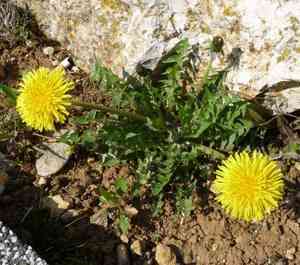
The most suitable period for transplanting common dandelion is during nature's revival, usually in early spring or late winter, offering an ideal temperature range for root development. Select a bright, adequately drained location to foster vigorous growth. Gentle handling of the root system can improve the success rate of the transplant.
What Preparations are Needed Before Transplanting Common Dandelion?
What is the Ideal Time for Transplanting Common Dandelion?
Early spring or late winter provides a gentle climate, perfect for common dandelion roots to take hold. During this period, the cool yet warming soil and milder temperatures create an ideal environment. It's a time when the earth awakens, offering common dandelion a less competitive setting to root and flourish. Handling this perennial during such a transformative phase of the year gives it the best chance to recover from transplant shock, with increased moisture and reduced heat stress. A friendly reminder: help common dandelion establish new roots in this season of renewal for a garden full of vitality!
How Much Space Should You Leave Between Common Dandelion Plants?
It's crucial to provide your common dandelion ample room to grow. Aim for a spacing of approximately 0.5 to 1 foot (15-30 cm) between each plant. This ensures each one receives adequate nutrients and has sufficient space for development.
What is the Best Soil Mix for Common Dandelion Transplanting?
For common dandelion, you'll want well-drained soil, ideally sandy or loamy. You can enhance soil texture with organic compost. The best base fertilizer to use would be a balanced mix, such as a 10-10-10 fertilizer, readily available at any garden store.
Where Should You Relocate Your Common Dandelion?
The common dandelion thrives in sunlight, so select a garden spot that receives abundant sun exposure throughout the day. If your garden is partially shaded, your common dandelion can still flourish with at least 4 hours of direct sunlight daily.
What Equipments Should You Prepare Before Transplantation Common Dandelion?
Gardening Gloves
To safeguard your hands while working with the soil and common dandelion.
A Shovel or Spade
For digging holes and carefully lifting the plant from the ground without harming its roots.
A Garden Trowel
Useful for more delicate tasks like freeing the plant from a small pot or seedling tray.
Pruning Shears or Sharp Scissors
For trimming any damaged roots or leaves.
A Garden Hose or Watering Can
To moisten the soil before and after transplanting.
A Garden Fork
To gently loosen compacted roots.
Wheelbarrow or Cart
To transport the plant and soil if necessary.
New Soil or Compost
To fill in any gaps around the transplanted common dandelion.
How Do You Remove Common Dandelion from the Soil?
How Do You Remove Common Dandelion from the Soil?
From Ground: Begin by identifying the extent of common dandelion's root system. Once determined, use your shovel or spade to dig around the root ball. Be careful not to damage the roots. If the roots have spread widely, dig deeper and wider. After loosening the ground around the plant, gently lift it out, preserving the root ball.From Pot: First, water the common dandelion plant to moisten the soil. This facilitates easier removal. Then, turn the pot sideways and while gently holding the common dandelion, tap the pot's edge on a hard surface. The common dandelion should then slide out with the soil intact. If it does not, you may need to use a garden trowel to ease it out.From Seedling Tray: Moisten the soil and gently ease out the common dandelion using a small gardening tool or trowel. Be careful not to damage the young roots and remember, always hold common dandelion by its leaves, not the stem.
Step-by-Step Guide for Transplanting Common Dandelion
Preparation
Prepare the new planting area by digging a hole twice the width of common dandelion's root ball and roughly the same depth. If adding compost or new soil, mix this in with the existing soil at the bottom of the hole.
Transplanting
Place the common dandelion in the hole. The top of the root ball should be level with or slightly below ground level. Fill in the gaps around the root ball with soil, firming it lightly with your hands.
Watering
Water the plant thoroughly to settle the soil around the roots and help it establish in its new location. Avoid tamping down the soil, it can compact it and make it harder for the new roots to grow.
How Do You Care For Common Dandelion After Transplanting?
Watering
Water the common dandelion regularly, keeping the soil consistently moist (but not waterlogged) until the plant is established and starts displaying new growth. This may take a few weeks.
Pruning
Trim back any damaged leaves or stems after planting, this will help common dandelion focus its energy on establishing new roots.
Monitoring
Keep a close eye on the transplanted plant for signs of stress or disease. These may include wilting or discolored leaves. If you notice anything unusual, adjust care as necessary. For example providing shade if the plant looks sunburnt.
Troubleshooting Common Issues with Common Dandelion Transplantation.
When is the best time to transplant common dandelion?
The optimal transplanting period for common dandelion is between late winter and early spring.
What is the ideal distance between each common dandelion while transplanting?
When transplanting common dandelion, maintain a spacing of 0.5-1 feet (15-30 cm), allowing them ample space to grow.
My common dandelion's leaves are wilting after transplanting. What should I do?
This might be transplant shock. Fret not, keep the soil consistently moist and avoid extreme temperature conditions. They should bounce back in a week.
Should I prune common dandelion before transplanting?
Yes, you should. Cut off a third of each leaf stalk. This reduces water evaporation and helps the plant focus its energy on establishing roots.
Can common dandelion be transplanted in all types of soil?
Common dandelion is hardy but prefers well-drained, fertile soil. Amend heavy clay or sandy soil with compost or well-rotted manure before planting.
Why does my common dandelion look limp after transplanting?
It's likely a result of root damage during transplantation. Be careful when digging common dandelion out and ensure you don't harm the root system and bulb.
What should be the depth of the hole while transplanting common dandelion?
Dig a hole that's deep enough to cover the common dandelion's root system. Typically, it should approximately be 6-8 inches (15-20 cm) deep.
How often should I water common dandelion after transplanting?
Immediately after transplanting, water common dandelion thoroughly. Then, keep the soil consistently moist but not waterlogged. Overwatering can cause root rot.
Should I fertilize common dandelion immediately after transplanting?
Wait 4-6 weeks post-transplant before you fertilize. This gives common dandelion time to adjust to its new environment and reduces the risk of root burn.
Why aren't my transplanted common dandelion blooming?
If your common dandelion isn't blooming, it may need more sunlight. Keep in mind that it could also be due to transplant shock or overly rich soil.



