How to Transplant Feverfew?
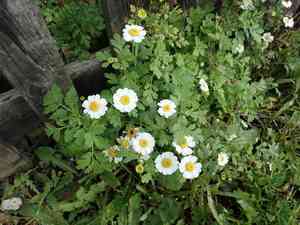
The most favorable period for relocating feverfew is in the temperate days of late spring through early summer, enabling its root system to take hold prior to intense heat. Select a location that receives ample sunlight and drains effectively. Gradually introduce feverfew to external environments to guarantee a successful transfer.
What Preparations are Needed Before Transplanting Feverfew?
What is the Ideal Time for Transplanting Feverfew?
The optimal period to move feverfew is from mid-spring to early summer. Relocating feverfew during this time promotes strong root development before the intense summer heat, providing the plant with a solid base for healthy growth and ensuring a full season of flourishing. This timing leverages moderate temperatures and increasing daylight, which together create an ideal nurturing environment for feverfew. A transplant at this point helps guarantee a robust, resilient plant, well-prepared to thrive in its new location.
How Much Space Should You Leave Between Feverfew Plants?
For feverfew, position each plant approximately 1-2 feet (30-60 cm) apart. This spacing provides ample room for each plant to develop and flourish independently!
What is the Best Soil Mix for Feverfew Transplanting?
Feverfew thrives in soil that drains well, ranging from loamy to sandy. Incorporate a base of organic compost or a slow-release granular fertilizer into the soil before planting to give feverfew an excellent start.
Where Should You Relocate Your Feverfew?
Select a sunny location for feverfew. It prefers full sun exposure! This placement ensures it receives at least 6 hours of sunlight daily, helping feverfew to grow healthy and strong.
What Equipments Should You Prepare Before Transplantation Feverfew?
Gardening Gloves
To safeguard your hands from soil and minor injuries during the feverfew plant transplant.
Trowel
To excavate the plant from smaller containers or to create a hole in the new spot.
Shovel
A shovel will be useful, especially if you are moving a mature feverfew plant from the ground.
Garden Spade
This tool is excellent for severing roots if you are digging up a feverfew plant from the ground.
Watering Can
This is crucial for hydrating the plant during and after the transplanting process.
Wheelbarrow
To transport the feverfew plant and extra soil, if necessary, from one place to another.
How Do You Remove Feverfew from the Soil?
How Do You Remove Feverfew from the Soil?
From Ground: Begin by watering the feverfew plant several hours prior to transplanting. This will moisten the soil, making removal easier. Use a garden spade to dig around the plant, carefully maintaining distance to avoid root damage. Once the roots are free, gently lift the plant from the ground.From Pot: First, water your feverfew plant. Then, place your hand at the plant's base and carefully invert the pot. Shake it gently until the plant slides out with the soil attached to its roots. Avoid pulling or tugging the plant, as this can harm the roots.From Seedling Tray: Water the tray before beginning. Carefully hold the base of the feverfew plant and gently pull; the seedling, along with its root ball, should come out easily. Remember to handle seedlings by their leaves rather than their stems, which are delicate at this stage and prone to damage.
Step-by-Step Guide for Transplanting Feverfew
Site Prepping
Prepare the new location by digging a hole at least twice as wide and deep as the feverfew plant's root ball. The additional space allows roots to spread and grow.
Replanting
Gently place the feverfew plant into the hole. Adjust it so the stem's base is level with or slightly above the ground's surface.
Back Filling
Refill the hole with soil, gently firming it around the plant's base. Ensure there are no air pockets, as these can cause roots to dry out.
Watering
Water the plant immediately after transplanting. This helps the soil settle around the roots and keeps the plant hydrated.
Mulching
Once your feverfew plant has been watered, apply a layer of mulch around it. This will help the soil retain moisture and suppress weeds.
How Do You Care For Feverfew After Transplanting?
Watering
Aim to keep the soil moist, but be cautious not to overwater your newly transplanted feverfew plant, as roots can easily rot in waterlogged soil. Instead, the key is to water thoroughly but less frequently.
Pruning
You may need to trim the feverfew plant to remove any damaged or withered leaves and stems. This allows the plant to direct more energy towards establishing root growth.
Monitoring
Observe your feverfew plant's progress. Look for signs of transplant shock, such as wilting, yellowing leaves, or a lack of new growth, and adjust your care as necessary.
Troubleshooting Common Issues with Feverfew Transplantation.
When is the best time to transplant the feverfew?
The optimal season to transplant feverfew is from late spring to early autumn.
What space requirements does feverfew need after transplantation?
Feverfew prefers ample room to grow. Provide them with about 1-2 feet (30-60 cm) of space between plants.
What soil type is preferred by feverfew for transplantation?
Feverfew performs best in loamy and well-draining soil. It can tolerate various pH levels, but slightly acidic to neutral is preferred.
Does feverfew need frequent watering after transplantation?
Not typically; once the feverfew plant is established, it doesn't require frequent watering. However, ensure its soil remains consistently moist during the initial weeks post-transplantation.
What lighting conditions does feverfew require post transplantation?
Feverfew thrives in bright sunlight. It prefers full sun but can endure partial shade after transplanting.
Is it necessary to add fertilizers during feverfew transplantation?
Feverfew is not very demanding. A layer of organic compost or well-aged manure added to the planting hole can assist in successful transplantation.
Do I need to prune feverfew after transplantation?
Pruning is not immediately necessary after transplanting. However, you might trim off dead or dying leaves once feverfew has settled into its new location to encourage healthier growth.
How should I handle feverfew root balls during transplantation?
When transplanting feverfew, ensure its root balls are handled gently. Minimally disturbing them helps prevent transplant shock and promotes better establishment.
Is mulching necessary after I transplant feverfew?
Mulching can help retain moisture and deter weeds while feverfew is establishing. Aim for an organic mulch layer about 2-3 inches (5-7.5 cm) thick around the plant's base.
When will I see new growth on feverfew after transplantation?
Typically, with proper care, feverfew should begin showing signs of new growth within 2-4 weeks post-transplantation. Remember, patience is crucial for successful transplantation.



