How to Transplant Five-stamen tamarisk?
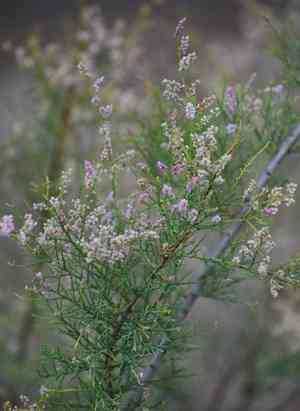
The most favorable period for transplanting five-stamen tamarisk spans from mid-spring to late spring, capitalizing on robust development after the move. Preferred environments feature a sunny, adequately draining location. Bear in mind, careful manipulation is crucial for preserving the root system's soundness.
What Preparations are Needed Before Transplanting Five-stamen Tamarisk?
What is the Ideal Time for Transplanting Five-stamen Tamarisk?
The optimal period for relocating five-stamen tamarisk is during the mild warmth of late spring. This timeframe provides a combination of moderate temperatures and consistent moisture, vital for root development without the harsh summer heat. Moving five-stamen tamarisk now allows the plant to establish and flourish, with longer days encouraging vigorous growth. A helpful hint: ensure you've undertaken this season's transplanting – five-stamen tamarisk will reward you with abundant foliage!
How Much Space Should You Leave Between Five-stamen Tamarisk Plants?
When transplanting five-stamen tamarisk, aim for ample room! Position each plant approximately 6-8 feet (1.8-2.4 meters) apart. This provides them sufficient space to thrive without competing for resources.
What is the Best Soil Mix for Five-stamen Tamarisk Transplanting?
For five-stamen tamarisk, prepare a well-draining soil blend with some organic material, such as compost. Applying a general-purpose fertilizer at planting time gives the plant a strong start. Remember to check the soil's pH; five-stamen tamarisk flourishes in slightly alkaline conditions!
Where Should You Relocate Your Five-stamen Tamarisk?
Select a location for five-stamen tamarisk that receives full sunlight. These plants enjoy absorbing the sun's rays, so the brighter, the better! Avoid shaded areas to help your five-stamen tamarisk grow healthily and robustly.
What Equipments Should You Prepare Before Transplantation Five-stamen Tamarisk?
Gardening Gloves
To safeguard your hands while handling soil and the plant.
Shovel or Spade
For excavating the plant and preparing the new planting site.
Secateurs or Pruning Shears
To trim any damaged roots or stems.
Wheelbarrow
To transport the five-stamen tamarisk and soil.
Watering Can or Hose
To hydrate the plant before and after relocation.
Tarp or Burlap
To place the excavated root ball on and to keep roots moist during transit if necessary.
Root Stimulator
To encourage root development after transplanting, if desired.
Mulch
To help maintain soil moisture and regulate soil temperature post-transplant.
Stakes or Plant Supports
To help the five-stamen tamarisk remain upright and stable in its new location, if needed.
How Do You Remove Five-stamen Tamarisk from the Soil?
How Do You Remove Five-stamen Tamarisk from the Soil?
From Ground: Thoroughly water the five-stamen tamarisk plant to moisten the soil and facilitate digging. Excavate a generous trench around the plant with a shovel or spade, going deep enough to encompass most of the roots. Angle the spade inward beneath the root ball to separate it from the surrounding soil and gently lift the plant, retaining as much soil around the roots as possible.From Pot: Water the plant well before beginning. Turn the pot on its side and gently tap it to loosen the plant. Support the plant with one hand, and with the other hand, carefully pull the pot away. If the plant is root-bound, gently untangle the roots without causing excessive damage.From Seedling Tray: Water the seedlings to ensure the soil is damp, which will help the root ball stay intact. Use a spoon or a small gardening tool to carefully lift each seedling from its compartment, being cautious not to harm the delicate roots.
Step-by-Step Guide for Transplanting Five-stamen Tamarisk
Prepare the New Site
Dig a hole that is twice the width of the root ball and of equal depth to provide the roots of five-stamen tamarisk ample room to spread. Ensure the site has already been selected considering factors beyond sunlight and soil type.
Inspect the Root Ball
Before planting, examine the root ball of five-stamen tamarisk for any indications of disease or damage. Trim away any broken or dead roots with secateurs to promote healthy growth.
Position the Plant
Carefully place the five-stamen tamarisk in the center of the prepared hole. Ensure that the top of the root ball is level with or slightly above the surrounding ground level to prevent water accumulation.
Refill the Hole
Gently backfill the hole with soil, carefully spreading the roots of five-stamen tamarisk as you proceed. Lightly tamp down the soil to remove air pockets but avoid over-compacting the soil.
Water Thoroughly
After transplanting, deeply water the five-stamen tamarisk to help settle the soil around the roots. This will also eliminate any remaining air pockets and ensure good root-to-soil contact.
Stabilize the Plant
If the five-stamen tamarisk is tall or top-heavy, stake it to provide support as it establishes. Ensure that the stakes do not harm the root system.
Apply Mulch
Spread a layer of mulch around the base of five-stamen tamarisk to maintain consistent soil moisture and temperature control, ensuring it's not directly against the stem to prevent rot.
How Do You Care For Five-stamen Tamarisk After Transplanting?
Watering
While the five-stamen tamarisk is establishing, maintain consistent soil moisture. Be careful not to over-water or allow the soil to become too dry.
Pruning
Trim any dead branches to encourage new growth and help the five-stamen tamarisk to focus its energy on developing new roots.
Monitoring
Keep a close watch on the plant for signs of transplant shock, such as wilting or leaf loss, and take appropriate measures like providing shade or additional watering if necessary.
Fertilization
Delay fertilizing the five-stamen tamarisk until it has shown signs of new growth, indicating that it has begun to establish.
Troubleshooting Common Issues with Five-stamen Tamarisk Transplantation.
What's the best time to transplant five-stamen tamarisk for optimal growth?
The ideal period to relocate five-stamen tamarisk is from mid-spring until early summer, promoting vigorous growth.
How much space does five-stamen tamarisk require when transplanting?
Allocate a generous distance of 6-8 feet (1.8-2.4 meters) between five-stamen tamarisk specimens to ensure ample room for their development.
Why are my five-stamen tamarisk plants wilting after transplanting?
Wilting post-transplant may indicate shock. Ensure consistent moisture and avoid direct sun for the initial weeks to aid their recovery.
What's the ideal soil type for transplanting five-stamen tamarisk?
Preferably, five-stamen tamarisk thrives in well-draining soil. Incorporating compost can improve soil structure and foster healthier growth.
How deep should the hole be when transplanting five-stamen tamarisk?
Dig a hole twice as wide and just as deep as the root ball of five-stamen tamarisk to ensure roots have sufficient space to establish.
Can I transplant five-stamen tamarisk in cooler weather?
While possible, transplanting five-stamen tamarisk in cooler temperatures might delay establishment. Adhere to the recommended range for best outcomes.
How often should I water five-stamen tamarisk after transplanting?
Water five-stamen tamarisk deeply every few days for the first month to aid root recovery, then adjust to its regular watering needs.
Should I fertilize five-stamen tamarisk after transplanting?
Allow five-stamen tamarisk time to acclimate before fertilizing. After a few months, a light application of balanced fertilizer can stimulate growth.
Can five-stamen tamarisk be transplanted beneath trees or near shrubs?
Certainly, but ensure five-stamen tamarisk is not overshadowed or outcompeted for nutrients. Remember the spacing guideline for optimal results.
What should I do if the leaves of five-stamen tamarisk turn yellow post-transplant?
Yellow leaves might signal stress or overwatering. Verify moisture levels and perhaps provide some shade while five-stamen tamarisk adjusts to its new location.



