How to Transplant Canary islands tamarisk?
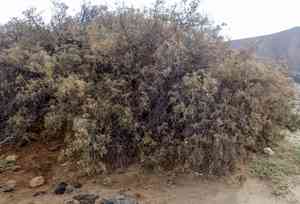
Canary islands tamarisk flourishes when relocated from the beginning of spring to its end, or from the close of summer to the start of autumn, owing to mild temperatures. Select a location with ample sunlight or partial shade and soil that drains effectively. Provide steady hydration following transplantation to facilitate its settling.
What Preparations are Needed Before Transplanting Canary Islands Tamarisk?
What is the Ideal Time for Transplanting Canary Islands Tamarisk?
The optimal period to relocate canary islands tamarisk is from early spring to late spring or late summer to early fall. During these times, the ground is sufficiently warm to promote root development, while avoiding summer's intense heat and winter's cold stress. Transplanting in these seasons ensures canary islands tamarisk has prime conditions for establishing a strong root system, leading to a healthier, more robust plant.
How Much Space Should You Leave Between Canary Islands Tamarisk Plants?
For canary islands tamarisk, ensure each plant is spaced approximately 6-10 feet (1.8-3 meters) apart to allow ample room for growth and flourishing.
What is the Best Soil Mix for Canary Islands Tamarisk Transplanting?
Prepare well-draining soil enriched with compost or a foundational fertilizer abundant in organic matter. This will supply canary islands tamarisk with the necessary nutrients for rapid establishment and healthy development.
Where Should You Relocate Your Canary Islands Tamarisk?
Select a sunny spot for canary islands tamarisk, as it thrives in full sunlight. This will enable the plant to photosynthesize efficiently and flourish in its new environment.
What Equipments Should You Prepare Before Transplantation Canary Islands Tamarisk?
Gardening Gloves
To safeguard your hands while handling soil and the plant.
Shovel or Spade
For digging around the plant and its new planting site.
Pruning Shears
To trim any damaged roots or branches.
Watering Can or Hose
To hydrate the plant before and after relocation.
Tarp or Wheelbarrow
To move the plant to its designated new spot.
Soil Knife or Trowel
To carefully work around the root system if necessary.
Mulch
To help maintain moisture levels around the newly transplanted canary islands tamarisk.
How Do You Remove Canary Islands Tamarisk from the Soil?
How Do You Remove Canary Islands Tamarisk from the Soil?
From Ground: First, moisten the canary islands tamarisk plant to dampen the soil. Next, excavate a wide trench around the plant using a shovel or spade, ensuring the plant's root ball remains intact. Carefully work the spade beneath the root ball to lift the plant from its original position.From Pot: Gently water the canary islands tamarisk to facilitate removal. Incline the pot on its side and lightly tap it to loosen the soil. If required, run a soil knife along the pot's edge. Carefully lift the plant by its base, supporting the root ball, and extract it from the pot.From Seedling Tray: Water the canary islands tamarisk seedlings to soften the growing medium. Use a trowel or your fingers to gently lift each seedling by its base. Avoid pulling the plant by its stem to prevent harm. Carefully shake off excess soil from the roots.
Step-by-Step Guide for Transplanting Canary Islands Tamarisk
Site Selection
Choose a location with adequate sunlight and room for your canary islands tamarisk plant to reach its mature size.
Prepare Hole
Excavate a hole twice as wide and the same depth as the root ball of the canary islands tamarisk. This ensures the roots have ample space to spread.
Amend Soil
If needed, enrich the soil in the hole with compost or well-rotted manure to supply nutrients for the newly transplanted canary islands tamarisk.
Place Plant
Carefully position the canary islands tamarisk into the hole, ensuring the top of the root ball is level with or slightly above the surrounding soil. Adjust as necessary.
Fill Hole
Backfill the hole with soil, gently tamping it down to eliminate air pockets. Be careful not to over-compact the soil.
Water Thoroughly
Water the canary islands tamarisk immediately after planting to help settle the soil and remove any remaining air pockets.
Apply Mulch
Spread a layer of mulch around the base of the canary islands tamarisk to help retain moisture and regulate soil temperature.
How Do You Care For Canary Islands Tamarisk After Transplanting?
Watering
Keep the soil around the canary islands tamarisk consistently moist, but not waterlogged, for the initial weeks post-transplant to aid in strong root establishment.
Mulching
Maintain a 2-3 inch layer of mulch around the base of the canary islands tamarisk to conserve moisture and inhibit weed growth.
Pruning
Trim any damaged or dead branches to encourage healthy development and lessen stress on the plant.
Checking Regularly
Monitor the canary islands tamarisk for indications of stress, such as wilting or yellowing leaves, and adjust care as needed. Proper hydration and mulching are crucial for recovery.
Troubleshooting Common Issues with Canary Islands Tamarisk Transplantation.
When is the best time to transplant canary islands tamarisk?
Relocate canary islands tamarisk from early spring to late spring or late summer to early fall for optimal outcomes.
What is the ideal spacing for canary islands tamarisk when transplanting?
Space canary islands tamarisk plants 6-10 feet (1.8-3 meters) apart to ensure proper growth and air circulation.
How deep should I dig the transplant hole for canary islands tamarisk?
Excavate a hole twice as wide and equal in depth to the root ball for canary islands tamarisk.
What soil type is best for transplanting canary islands tamarisk?
Utilize well-draining soil with a sandy or loamy texture for successful canary islands tamarisk transplantation.
How much should I water canary islands tamarisk after transplanting?
Water canary islands tamarisk thoroughly after transplanting, then keep the soil consistently moist but not saturated.
Do I need to fertilize canary islands tamarisk after transplanting?
Apply a balanced, slow-release fertilizer around the base of canary islands tamarisk after transplanting for optimal growth.
How can I protect canary islands tamarisk from transplant shock?
Avoid root damage, water sufficiently, and provide partial shade as canary islands tamarisk adapts to its new location.
Should I prune canary islands tamarisk before transplanting?
Trim back about one-third of canary islands tamarisk's branches to reduce stress and promote new growth post-transplant.
How do I prepare the root ball of canary islands tamarisk before transplanting?
Gently loosen the roots of canary islands tamarisk and cut any circling ones to encourage outward growth.
What kind of mulching is best for canary islands tamarisk after transplanting?
Apply a 2-3 inch (5-7.5 cm) layer of organic mulch around canary islands tamarisk to retain moisture and regulate temperature.



