How to Transplant Tamarind?
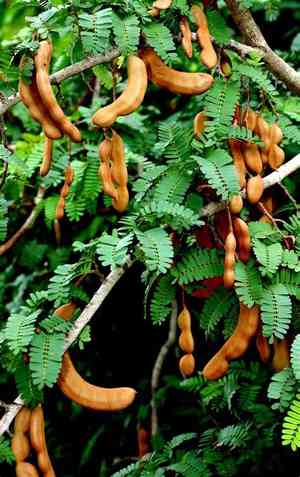
For tamarind, the period of renewal—from the middle of spring to the beginning of summer—is perfect for relocating, since the temperate climate encourages the roots to take hold. Make sure to choose a bright spot with soil that drains effectively for the best development. A helpful suggestion: careful handling is crucial to prevent root trauma.
What Preparations are Needed Before Transplanting Tamarind?
What is the Ideal Time for Transplanting Tamarind?
The optimal period for relocating tamarind spans from the vigorous growth of mid-spring to the onset of early summer. During this timeframe, moderate temperatures and warm soil work together to promote strong root development, giving tamarind the best start in its new spot. Choosing to transplant now ensures tamarind has ample opportunity to establish itself before the demands of hotter summer months or the inactivity of winter. A friendly reminder: your current efforts will lead to a flourishing tamarind, so mark your calendar for this prime transplanting moment!
How Much Space Should You Leave Between Tamarind Plants?
When moving your tamarind, remember they require room to thrive. Position them approximately 10-15 feet (3-4.5 meters) apart. This provides each plant sufficient area to grow without competing with others!
What is the Best Soil Mix for Tamarind Transplanting?
Tamarind prefers soil that drains well, so a sandy to loamy mixture is perfect. Before transplanting, incorporate some compost or a slow-release fertilizer into the base of the hole. This will provide your plant with a nutritional boost to begin its new life.
Where Should You Relocate Your Tamarind?
Move your tamarind to a sunny location in your garden. These plants love full sun, so select a spot where it will receive at least 6 hours of sunlight daily. If the sun is intensely hot and desert-like, some afternoon shade will also benefit it!
What Equipments Should You Prepare Before Transplantation Tamarind?
Gardening Gloves
To safeguard your hands while handling soil and the tamarind plant.
Shovel or Spade
To carefully excavate around and lift the tamarind plant, keeping the root ball intact.
Wheelbarrow
Useful for moving the tamarind plant from its original position to its new site.
Garden Digging Fork
Excellent for loosening compacted soil at the new transplanting location, encouraging better root penetration.
Watering Can
For adequately hydrating the plant before and after its relocation.
Mulch
To regulate soil temperature and maintain moisture after the transplant.
How Do You Remove Tamarind from the Soil?
How Do You Remove Tamarind from the Soil?
From Ground: Begin by watering the tamarind plant to slightly dampen the soil. Next, start digging a circle around the plant using a shovel or spade, making sure to preserve the plant's root structure. Gently work the spade beneath the root ball and carefully lift the plant from its initial spot. The soil may be quite heavy, so be careful not to injure yourself during this process.From Pot: Hydrate the tamarind plant and tilt the pot sideways, applying gentle pressure to loosen the plant. Support the plant at its base and slowly pull it out, ensuring all roots remain undamaged.From Seedling Tray: Water your seedling first to help it slide out of the tray. Then, hold the tamarind seedling by its leaves (not the stem) and gently pull it up and out of its cell. If it resists, push up from the bottom of the tray.
Step-by-Step Guide for Transplanting Tamarind
Preparation
Clear the chosen planting area of any weeds or debris. Then, dig a hole that is twice the width and depth of the tamarind's root ball. Place some loose soil at the bottom of the hole.
Placement
Carefully position your tamarind plant in the hole. The top of the root ball should be level with or slightly above the surrounding soil surface.
Backfilling
Refill the hole with the same soil, gently patting around the base of the plant. Avoid pressing down too firmly as this could compact the soil.
Watering
Use your watering can to thoroughly water the plant, moistening the entire root zone. The water helps settle the soil in place.
Mulching
Apply a 2- to 4-inch layer of organic mulch around the plant (avoid touching the plant trunk); this helps to retain moisture and regulate soil temperature.
How Do You Care For Tamarind After Transplanting?
Pruning
Lightly trim the tamarind after transplanting to lessen its need for water and nutrients while its root system establishes. Remove any damaged or diseased branches.
Watering
Maintain consistent soil moisture levels, but prevent waterlogging as it could lead to root rot. Consider weather and soil conditions to adjust irrigation frequency.
Pest Monitoring
Keep an eye out for any indications of pests or diseases. Early detection and treatment can save your tamarind from serious harm. Regularly inspect the undersides of leaves.
Patience
Remember, tamarind plants may take some time to show new growth after transplanting. This is normal as the plant is dedicating its energy to root development. Continue providing consistent care, and eventually, your newly transplanted tamarind will begin to flourish.
Troubleshooting Common Issues with Tamarind Transplantation.
When is the ideal time to transplant tamarind?
The most advantageous time to transplant tamarind is during the second to fourth seasons. This period offers the best conditions for a successful transplant.
What is the optimal space between tamarind when transplanting?
A comfortable spacing for tamarind is 10-15 feet (3-4.5 meters). This distance ensures ample room for growth and prevents overcrowding.
Why is my transplanted tamarind not showing new growth?
Your tamarind might be experiencing transplant shock. Try to minimize root system disturbance during transplant and maintain consistent watering and light levels.
My transplanted tamarind has yellow leaves. What is the issue?
Yellowing leaves on tamarind can indicate excessive watering or a nutrient deficiency. Check your watering habits or consider adding nutrient-rich compost to your soil.
What is the best way to water tamarind after transplanting?
Tamarind requires regular watering after transplanting, but avoid waterlogging. Allow the top layer of soil to dry before the next watering to prevent root rot.
What kind of soil is best for transplanting tamarind?
Tamarind thrives in well-draining soil that is rich in organic matter. Loose, loamy or sandy soils are considered perfect for tamarind's relocation.
How deep should I plant tamarind when transplanting?
When transplanting tamarind, the hole should be twice as wide and the same depth as the root system, adequately covering it without being excessively deep.
Can I transplant tamarind in a pot?
Yes, tamarind can be transplanted into a pot. Ensure it is large enough to accommodate growth and has sufficient drainage holes to prevent waterlogging.
Why are the leaves of my transplanted tamarind dropping?
Leaf drop in tamarind after transplanting could be due to a sudden environmental change or water stress. Make changes gradually and ensure consistent watering.
Can tamarind be transplanted in full sun?
Tamarind enjoys sunlight but can suffer in intense heat. Provide partial shade during the hottest hours to prevent leaf burn after transplanting.



