How to Transplant Java plum?
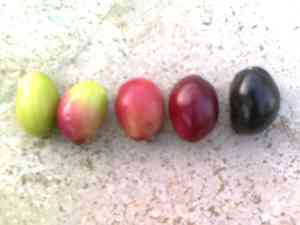
Relocate java plum as the weather warms from mid to late spring, minimizing shock and encouraging robust root development. Choose sites with good drainage and ample sunlight. A helpful tip: Remember to provide sufficient room for future expansion!
Essential Preparations Before Relocating Java Plum
Optimal Period for Java Plum Relocation?
Moving your java plum during mid-spring or when the season is flourishing enables it to settle into the warming ground. This timeframe promotes vigorous root development, ensuring java plum establishes a strong base before summer's heat. There's a special appeal in cultivating java plum as spring weather moderates; it's a period when nature's cycle encourages fresh starts, making it an excellent time for transplanting. By selecting this season, you align java plum's growth pattern with the earth's natural rhythm, which can lead to a thriving and robust plant.
Required Spacing Between Java Plum Plants?
When relocating java plum, ensure each plant is positioned approximately 10-15 feet (3-4.5 m) apart. This provides java plum ample room to develop and flourish. Remember, adequate spacing can significantly impact growth!
Best Soil Blend for Java Plum Relocation?
To create the ideal foundation for java plum, you'll need well-draining soil rich in organic matter. Incorporating a slow-release fertilizer is a good starting point. Happy planting!
Optimal Site for Your Java Plum Relocation?
For best outcomes, select a spot where java plum will receive full to partial sunlight. A sunny location is vital for fruit production. Here's to a bountiful harvest!
Tools Required Before Transplanting Java Plum
Shovel or Trowel
These instruments aid in excavating the soil around java plum in its current spot or at the new location where you intend to replant it.
Gardening Gloves
To safeguard your hands while handling the soil and the plant.
Wheelbarrow or Garden Cart
For conveniently moving soil or the java plum plant from one place to another.
Pruning Shears
To trim or remove any damaged or unnecessary parts of the java plum plant prior to transplant.
Garden Spade and Garden Fork
These implements are useful for loosening the soil before planting and ensuring the root ball remains intact during removal.
Watering Can
For hydrating the java plum plant after its relocation.
How to Extract Java Plum from the Ground?
How to Extract Java Plum from the Ground?
From Ground: Thoroughly water the java plum plant to moisten the soil. This facilitates the removal process and minimizes plant stress. Dig a circular trench around the plant using a garden spade, aiming to encompass the entire root system if possible. Carefully insert the spade beneath the root ball and gently lift the plant.From Pot: If the java plum plant is in a container, water it well, then invert the pot and tap it lightly to loosen the soil and roots. If the plant doesn't release immediately, you might need to run a knife along the pot's interior edge to free the root ball.From Seedling Tray: If you're relocating a java plum seedling, the procedure is quite straightforward. Moisten the tray first, then carefully ease the seedling out, striving to keep as much of the root system and attached soil intact as possible.
Step-by-Step Guide for Relocating Java Plum
Preparation
Begin by thoroughly watering your java plum plant several hours before the transplant process. This lessens the stress that relocation can inflict on your plant.
Excavating the Hole
The hole should be twice as wide and just as deep as the root ball. Ensure the hole is broad because the roots need space to expand into the surrounding soil.
Positioning the Plant
Next, place the java plum plant into the hole, making sure it is upright and correctly positioned. The top of the root ball should sit slightly above the surrounding soil to allow for settling and proper water drainage.
Backfilling the Hole
Then, refill the hole with native soil, gently pressing around the plant to eliminate any air pockets.
Watering
Finally, water the plant immediately after planting to settle the soil around the roots and help them establish contact with the ground.
Post-Transplant Care for Java Plum
Watering
During the initial week, ensure java plum receives ample water to thoroughly moisten its roots. However, avoid over-watering to prevent root rot.
Pruning
Trim any dead or damaged foliage that may have resulted from the transplant process; this redirects energy towards new growth.
Monitoring
Observe your java plum plant closely for the first few weeks. Symptoms of transplant shock can include wilting leaves and stunted growth.
Pest Monitoring
Due to the stress of relocation, java plum may become more vulnerable to pests and diseases. If you notice any indicators, take prompt and appropriate action.
Resolving Common Issues with Java Plum Relocation.
When is the best time to relocate a java plum?
The optimal period for transplanting a java plum falls between the second and third season (S2-S3). This provides the plant sufficient time to recover and establish before the active growth period.
What is the ideal distance between each java plum during relocation?
It's crucial to allow ample space for each java plum to grow and spread; a recommended spacing of approximately 10-15 feet (3-4.5 meters) apart is generally effective.
How deep should the hole be when relocating java plum?
Excavate a hole twice the size of the root ball. This is typically around 20 inches (50 cm) deep, providing the java plum's roots room to expand and breathe.
What soil is best suited for java plum relocation?
Java plum thrive best in fertile, well-drained soil. Heavy clay or sandy soils can be improved with compost or organic matter to enhance aeration and water retention.
Can I relocate a mature java plum?
Yes, but it's a task requiring significant care. Mature java plum possess extensive root systems, which can be severely harmed if not meticulously dug up and replanted.
How much water does a java plum need after relocation?
Newly relocated java plum require abundant hydration. Water daily during the first week, then reduce to twice weekly. Ensure you avoid overwatering as it can lead to root rot.
How much sun does java plum need after relocation?
Java plum enjoy full sun but can tolerate partial shade. After transplant, it's important to provide at least six hours of sunlight daily for optimal growth.
How can I ensure successful growth after relocating java plum?
Successful growth depends on adequate sunlight, consistent watering, proper spacing, and nutrient-rich soil. Also, protect your java plum from pests and harsh weather conditions during the initial stages.
Should I prune my java plum after relocating?
Post-transplant pruning is beneficial as it helps the java plum conserve energy. However, initially only remove dead, diseased, or damaged branches and avoid excessive pruning.
Should I fertilize java plum immediately after relocating?
Fertilization should generally be postponed until after the plant has recovered from transplant shock, typically within 3-6 weeks. Fertilizing too soon can further stress the plant and impede root growth.



