How to Transplant Syringa reticulata subsp. amurensis?
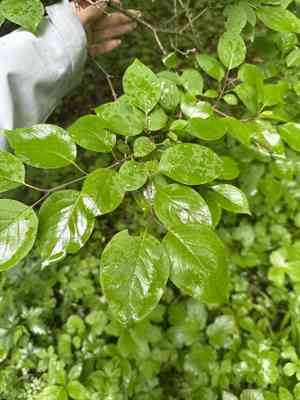
For Syringa reticulata subsp. amurensis, the most favorable period for relocation is when the growing season recommences, specifically from early spring until the beginning of summer. Select locations that receive ample morning sun but are shaded during the latter part of the day. When moving the plant, meticulous attention to preserving the root system's health guarantees a smooth adjustment.
What Preparations are Needed Before Transplanting Syringa Reticulata Subsp. Amurensis?
What is the Ideal Time for Transplanting Syringa Reticulata Subsp. Amurensis?
The optimal period for relocating your syringa reticulata subsp. amurensis is after winter's chill departs and spring's gentle warmth arrives. Moving it during this renewal phase allows syringa reticulata subsp. amurensis to establish roots in cool, damp soil, utilizing spring's rains and increasing temperatures for vigorous development. Garden enthusiasts, seize this moment to help your syringa reticulata subsp. amurensis flourish by selecting this season of fresh starts. It's a minor effort with significant rewards – robust growth, stronger plants, and the pleasure of observing syringa reticulata subsp. amurensis thrive under your care.
How Much Space Should You Leave Between Syringa Reticulata Subsp. Amurensis Plants?
Provide your syringa reticulata subsp. amurensis ample room to flourish! Aim for a separation of approximately 3 feet (0.9 meters) to 6 feet (1.8 meters) between plants. This spacing will enable their roots to spread out and the plant to prosper without overcrowding.
What is the Best Soil Mix for Syringa Reticulata Subsp. Amurensis Transplanting?
To nurture your syringa reticulata subsp. amurensis, incorporate well-drained loam or sandy soil with some compost. For a successful beginning, apply a balanced, slow-release fertilizer, adhering to the label's instructions for the correct quantity.
Where Should You Relocate Your Syringa Reticulata Subsp. Amurensis?
Your syringa reticulata subsp. amurensis will thrive in a location that receives full sun or partial shade. Seek out a spot where it can absorb at least 4 hours of daily sunlight. Happy planting in a bright, luminous area!
What Equipments Should You Prepare Before Transplantation Syringa Reticulata Subsp. Amurensis?
Shovel or Spade
For excavating the plant from its current spot and creating a new hole at the destination.
Mulch
To aid in retaining soil moisture and regulating temperature around the newly planted area.
Watering Can or Hose
To hydrate the plant both before and after the relocation.
Pruning Shears
For trimming any damaged roots or branches during the transplanting process.
Wheelbarrow or Garden Cart
To move the plant and soil as required.
Gardening Gloves
To safeguard your hands while working with the soil and plant material.
Trowel
For more precise digging tasks and positioning the root ball in its new home.
Root Stimulator (optional)
To encourage root development following transplantation.
How Do You Remove Syringa Reticulata Subsp. Amurensis from the Soil?
How Do You Remove Syringa Reticulata Subsp. Amurensis from the Soil?
From Ground: First, moisten the syringa reticulata subsp. amurensis plant to dampen the soil. Next, dig a wide trench around the plant using a shovel or spade, being careful not to harm the root system. Gently work the tool beneath the root ball to carefully dislodge the plant from its original spot.From Pot: Thoroughly water the syringa reticulata subsp. amurensis, then gently tap the pot's sides to loosen the soil. Tilt the pot sideways and carefully slide the plant out while supporting the stem's base. Examine the rootball and carefully untangle any circling roots.From Seedling Tray: Choose a day when the seedlings are neither too wet nor too dry. Use a trowel or your fingers to carefully lift the syringa reticulata subsp. amurensis seedling from its compartment, ensuring the soil and roots remain intact.
Step-by-Step Guide for Transplanting Syringa Reticulata Subsp. Amurensis
Preparation
Ensure all tools are clean and ready for use to prevent the spread of plant diseases during the process. Identify the new location for the syringa reticulata subsp. amurensis. Water this plant the evening before transplantation to minimize shock and facilitate removal from the soil. Plan to transplant on a cloudy day or in the evening to shield the syringa reticulata subsp. amurensis from direct sunlight immediately after relocation.
Excavation
Carefully dig out the root ball from its current position using the shovel or spade, starting far enough from the base to avoid root damage. Rock the tool back and forth beneath the root ball to loosen it.
Transport
Once the root ball is loose, gently lift the syringa reticulata subsp. amurensis from the ground and place it into the wheelbarrow or garden cart for easy transfer to the new site. Ensure the plant's structure is supported during movement.
Planting Hole
Dig a hole at the new site that is twice the width of the root ball and of equal depth to encourage outward root growth. Test the hole by placing the plant in it, ensuring the stem's base is at ground level.
Planting
Position the syringa reticulata subsp. amurensis in the center of the hole. Gently spread the roots outwards and backfill the hole with soil, lightly tamping down to eliminate air pockets. Confirm the plant is upright and stable.
Mulching
Apply a layer of mulch around the base of the syringa reticulata subsp. amurensis, but keep it a few inches away from the stem to prevent rot. The mulch will help conserve moisture and maintain stable temperatures.
Watering
Thoroughly water the syringa reticulata subsp. amurensis to settle the soil around the roots and aid in recovery from transplant shock. Use a watering can or hose with a gentle flow to avoid eroding the soil around the new planting.
Optional Root Stimulator
Administer a root stimulator according to product instructions to encourage healthy root growth, but only if you opt to use this product.
How Do You Care For Syringa Reticulata Subsp. Amurensis After Transplanting?
Regular Watering
Water the syringa reticulata subsp. amurensis deeply and consistently during its initial growing season as it establishes, but be careful not to overwater. The soil should be damp but not waterlogged.
Monitoring
Keep a close watch on the syringa reticulata subsp. amurensis for any indications of transplant shock, such as wilting, leaf drop, or discoloration. These signs may suggest a need for adjustments in care or environment.
Support Structures
If the syringa reticulata subsp. amurensis is particularly large or if the transplant occurred in a windy area, consider staking the plant to provide additional stability while its roots establish.
Pruning
Avoid extensive pruning immediately after transplanting to minimize stress on the syringa reticulata subsp. amurensis. Only remove dead or broken branches. Proper pruning can be done in subsequent growing seasons once the plant is established.
Weed Control
Keep the area around the syringa reticulata subsp. amurensis free of weeds, which can compete for nutrients and water. Remove them by hand or use mulch to suppress their growth.
Observation and Adjustments
Over the subsequent weeks and months, continue to observe the syringa reticulata subsp. amurensis for growth and vitality. Make soil or watering adjustments as needed to ensure the plant's health.
Troubleshooting Common Issues with Syringa Reticulata Subsp. Amurensis Transplantation.
What's the best time to transplant syringa reticulata subsp. amurensis?
Optimal transplanting occurs from early to late spring, ensuring roots establish before heat sets in.
How far apart should syringa reticulata subsp. amurensis be spaced when transplanting?
Space syringa reticulata subsp. amurensis about 3 to 6 feet (90 to 180 cm) apart to accommodate mature growth.
Why is my transplanted syringa reticulata subsp. amurensis wilting?
Syringa reticulata subsp. amurensis could wilt from shock or lack of water. Keep the soil consistently moist after transplanting.
Should I prune syringa reticulata subsp. amurensis before transplanting and how much?
Light pruning benefits syringa reticulata subsp. amurensis transplanting. Remove just diseased or damaged branches to reduce stress.
When transplanting syringa reticulata subsp. amurensis, how deep should the hole be?
Dig a hole as deep as the root ball and twice as wide to encourage growth.
Can I transplant syringa reticulata subsp. amurensis in late spring with high temperatures?
Ideally, transplant before late spring heat. If unavoidable, provide shade and increased watering.
How should I prepare the soil for transplanting syringa reticulata subsp. amurensis?
Enrich the soil with compost, ensuring it's well-draining and fertile for the new syringa reticulata subsp. amurensis location.
How do I know if syringa reticulata subsp. amurensis is overwatered post-transplant?
Signs of overwatering include yellowing leaves and soggy soil. Allow the soil to dry slightly between watering.
What should I do if my syringa reticulata subsp. amurensis transplant isn't thriving?
Check for proper planting depth, soil conditions, and adequate watering. Adjust care as necessary.
Is it necessary to fertilize syringa reticulata subsp. amurensis after transplanting?
Wait a few weeks before fertilizing to avoid burning new roots. Then, fertilize with a balanced formula lightly.



