How to Transplant Syringa oblata?
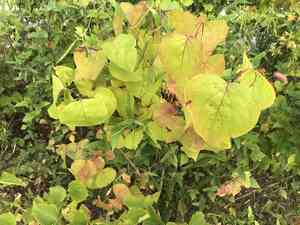
For a flourishing syringa oblata, the perfect time for relocation is from the end of winter's chill to the peak of spring, just as vigorous development commences. Select a sunny location with soil that drains effectively, making sure to disturb the roots as little as possible for optimal settling.
Preparations Required Before Relocating Syringa Oblata
Optimal Period for Relocating Syringa Oblata
The perfect time to move syringa oblata is from early spring's awakening until the onset of summer's warmth. This timeframe allows syringa oblata a smooth adjustment, as mild yet increasing temperatures aid root development without the strain of extreme heat or cold. Transplanting syringa oblata during this season aligns with its natural growth cycle, promoting robust development and ensuring a strong start in its new spot. By selecting this ideal window, gardeners set the stage for syringa oblata's successful adaptation and vibrant beauty in its new home.
Recommended Spacing Between Syringa Oblata Plants
When relocating syringa oblata, it's advisable to provide ample room. Aim for a distance of 6 feet (1.8 meters) to 12 feet (3.7 meters) between them. This guarantees sufficient space for them to thrive without becoming overcrowded.
Ideal Soil Blend for Syringa Oblata Relocation
Syringa oblata thrives in soil that drains well and is fertile. Before moving, incorporate compost or a balanced slow-release fertilizer to enrich the soil and foster healthy growth. Remember to consider the natural soil pH and adjust it for syringa oblata if necessary.
Choosing a New Location for Your Syringa Oblata
Select a sunny location in your garden for syringa oblata, as it flourishes in full sunlight. The chosen area should receive a minimum of 6 hours of direct sun daily. Ensuring adequate sunlight from the beginning is crucial for syringa oblata's development.
Equipment Needed Before Relocating Syringa Oblata
Gardening Gloves
To safeguard your hands while handling soil and syringa oblata.
Shovel or Spade
For excavating the plant and preparing the new planting site.
Wheelbarrow or Garden Cart
To move the syringa oblata from its original spot to the new one.
Pruning Shears
To trim any damaged roots or branches prior to relocation.
Watering Can or Hose
To hydrate the syringa oblata before and after its move.
Garden Fork
To loosen the soil around the syringa oblata's root ball during extraction.
Tarp or Burlap
To wrap the root ball for easier transport without harming the roots.
Method for Extracting Syringa Oblata from the Soil
Method for Extracting Syringa Oblata from the Soil?
From Ground: First, moisten the syringa oblata to dampen the soil. Then, dig a wide circle around the plant using a shovel or garden fork, taking care to preserve as much of the root ball as possible. Gently work your tool beneath the root ball to free the plant from the ground.From Pot: Thoroughly water the syringa oblata to ensure the soil is damp, which helps minimize root damage during removal. Turn the pot on its side and gently tap the edges to loosen the soil. Carefully slide the plant out while supporting its base and root ball with your hands.From Seedling Tray: Water the seedlings to keep the soil intact, then use a spoon or a specialized seedling transplanter tool to carefully scoop out each seedling, attempting to keep the soil around the roots undisturbed.
Detailed Guide for Relocating Syringa Oblata
Preparing the New Location
Dig a hole that is twice the width of syringa oblata's root ball and the same depth, ensuring the plant will sit at the same soil level as before.
Root Trimming
Inspect syringa oblata's root ball and use pruning shears to remove any broken or diseased roots. This encourages new root growth and can strengthen the plant.
Positioning the Plant
Carefully place syringa oblata in the center of the new hole. Ensure the top of the root ball is level with the surrounding soil surface to prevent water from pooling at the plant's base.
Backfilling the Hole
Refill the soil around the syringa oblata, gently tamping it down to eliminate air pockets. Make sure not to bury the plant deeper than its original planting depth.
Post-Transplant Watering
Water the syringa oblata thoroughly after planting. This helps settle the soil around the roots and rehydrates the plant after the stress of relocation.
Providing Support
If the syringa oblata is large or top-heavy, stake the plant to prevent it from toppling in the wind and to encourage upright growth.
Post-Relocation Care for Syringa Oblata
Mulching
Apply a 2 to 3-inch layer of organic mulch around the base of syringa oblata, avoiding direct contact with the stems, to retain moisture and control weeds.
Monitoring
Observe syringa oblata for signs of transplant shock, such as wilting leaves or stunted growth, and take corrective measures if needed.
Staking
Regularly check any support stakes to ensure they are secure and not harming the syringa oblata.
Seasonal Care
Be mindful of seasonal changes and provide extra water during dry spells or protection from extreme temperatures when necessary.
Addressing Common Issues with Syringa Oblata Relocation.
What's the best time to move syringa oblata?
The ideal period for relocating syringa oblata is from early to late spring, ensuring successful root establishment before summer.
How much space should I leave between syringa oblata when relocating?
Space syringa oblata 6 to 12 feet apart (1.8 to 3.7 meters) to allow them ample room to thrive.
Why is my syringa oblata wilting after relocation?
Wilting may be due to transplant shock. Ensure adequate watering, avoid direct sun, and shield from wind initially.
What soil conditions are optimal for relocating syringa oblata?
Well-draining, fertile soil with a neutral pH supports syringa oblata's growth. Amend with organic matter, if necessary.
How deep should the hole be for relocating syringa oblata?
Dig a hole as deep as the root ball and twice as wide, allowing roots to spread easily.
Can I relocate syringa oblata on a hot, sunny day?
Relocate syringa oblata on a cloudy day or in the evening to minimize stress and prevent dehydration.
What's the best way to water syringa oblata after relocation?
Water deeply at the root zone to encourage proper root development without causing waterlogging.
How do I know if syringa oblata has sufficient space to grow after relocation?
Ensure surrounding plants are at least 6 to 12 feet away to accommodate syringa oblata's mature size.
Why are the leaves of syringa oblata turning yellow after relocation?
Yellowing could indicate over-watering or poor drainage. Adjust watering and ensure the soil isn't waterlogged.
How can I safeguard syringa oblata from pests after relocation?
Keep the area free of weeds, use organic mulch, and regularly inspect for pests; consider natural pest control methods if needed.



