How to Transplant Common comfrey?
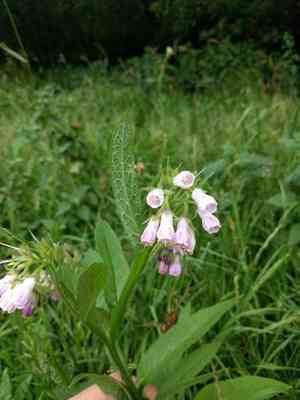
The most favorable period for relocating common comfrey is during the revitalizing warmth of mid to late spring, which guarantees vigorous development. Select a spot with partial sunlight and damp earth. When transferring common comfrey, carefully loosen the roots to allow them to establish well in their new environment.
What Preparations are Needed Before Transplanting Common Comfrey?
What is the Ideal Time for Transplanting Common Comfrey?
Move your common comfrey during the peak of spring's warmth for optimal root establishment. This period offers perfect growing conditions, boosting common comfrey's vigor and output.
How Much Space Should You Leave Between Common Comfrey Plants?
When relocating common comfrey, allow each plant ample room to grow and spread by leaving 1-2 feet (30-60 cm) of space between them. This prevents overcrowding and ensures each common comfrey has sufficient space to thrive.
What is the Best Soil Mix for Common Comfrey Transplanting?
Prepare a nutrient-rich soil environment for common comfrey. A loamy soil, abundant in organic matter like compost or aged manure, would be perfect. Before planting, ensure to apply a base fertilizer to enrich the soil nutrients.
Where Should You Relocate Your Common Comfrey?
Select a site that provides partial shade to full sun for common comfrey. This plant is adaptable and can endure various sunlight exposures, but if possible, avoid a spot with direct and intense afternoon sun.
What Equipments Should You Prepare Before Transplantation Common Comfrey?
Garden Trowel
Essential for digging the new hole for common comfrey and extracting it from its current spot.
Gardening Gloves
To safeguard your hands while working with the soil and plant.
Bucket or Wheelbarrow
For moving the common comfrey from its original location to the new site.
Watering Can or Hose
Required to hydrate the plant both before and after relocation.
Shovel or Spade
May be necessary if the plant is large and possesses an extensive root system.
Organic Compost
To help enhance the soil quality at the new location.
Mulch
To aid in moisture retention post-transplant.
How Do You Remove Common Comfrey from the Soil?
How Do You Remove Common Comfrey from the Soil?
From Ground: First, water the common comfrey plant to moisten the soil. This facilitates easier digging. Then, excavate a generous circle around the plant with your garden trowel, ensuring the plant's root ball remains intact. Carefully work the trowel beneath the root ball to lift the plant from its original position.From Pot: Begin by watering the pot thoroughly, then gently tilt it on its side while supporting the common comfrey with your hand. If the plant doesn't slide out, tap the sides and bottom of the pot to loosen it.From Seedling Tray: Dampen the soil and carefully remove the common comfrey seedling by the root ball, taking care not to harm the delicate roots.
Step-by-Step Guide for Transplanting Common Comfrey
Preparation
Prepare the new transplanting site by digging a hole twice the size of the common comfrey's root ball. Enrich the hole with organic compost.
Removal
Follow the appropriate removal method described above to safely extract common comfrey from its initial location.
Placement
Position the common comfrey in the hole, ensuring it is not planted deeper than its previous growing depth. Its uppermost roots should be just beneath the soil surface.
Backfill
Fill in the hole with soil, gently firming it around the base of common comfrey.
Watering
Water common comfrey generously immediately after transplanting. This helps the soil settle around the roots and minimizes initial transplant shock.
Mulching
Apply a layer of mulch around the base of common comfrey to help keep the roots cool and reduce water evaporation.
How Do You Care For Common Comfrey After Transplanting?
Watering
It's crucial to keep the soil around common comfrey consistently moist, especially for the first few weeks after transplanting, to aid in establishing strong roots.
Feeding
After approximately 4 weeks, begin feeding common comfrey with a balanced organic plant food to encourage growth.
Monitoring
Closely observe common comfrey for signs of stress such as excessive wilting or yellowing leaves. If these symptoms persist, it may indicate the plant is not adapting well to its new location.
Pest_And_Diseases_Control
Regularly inspect common comfrey for any indications of pest infestations or diseases, addressing them promptly when necessary.
Troubleshooting Common Issues with Common Comfrey Transplantation.
When is the ideal time to transplant common comfrey?
The optimal season to transplant common comfrey is during the late spring to early summer period, commonly referred to as S2-S3.
What is the preferred spacing when transplanting common comfrey?
The recommended spacing is about 1-2 feet (30.5-61 cm), allowing each common comfrey ample room to develop optimally.
Why are my transplanted common comfrey leaves turning yellow?
Yellowing leaves could indicate overwatering or inadequate drainage. Ensure the soil drains well and avoid water-logging the plant.
Why isn't my transplanted common comfrey growing?
Insufficient sunlight or poor soil quality could contribute to stunted growth. Common comfrey prefers full sunlight and fertile, well-drained soil.
Do I need to prune common comfrey before transplanting?
Yes, pruning helps to reduce transplant shock. Trim off any dead or decaying parts, ensuring to make clean cuts.
How deep should I dig the hole to transplant common comfrey?
The hole should be at least 10 inches (25 cm) deep to accommodate common comfrey's root system and facilitate good anchorage.
How often should I water the transplanted common comfrey?
Water initially after transplanting, then typically once every 2-3 days. However, itâs vital to ensure the soil does not become waterlogged.
Should I fertilize common comfrey right after transplanting?
Fertilize one week after transplanting. This provides the common comfrey with necessary nutrients for root establishment and growth.
Can I transplant common comfrey in a pot?
Yes, common comfrey can be transplanted in a pot that is sufficiently large to hold its root system and allows for drainage.
Are there any special care considerations after transplanting common comfrey?
After transplanting, maintaining optimal watering and light conditions is crucial. Keep an eye out for pests or diseases for swift intervention.



