How to Transplant Smooth blue aster?
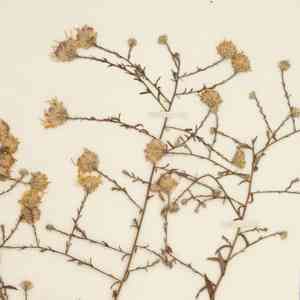
Spring's arrival presents the ideal window for transplanting smooth blue aster, fostering strong root development in permeable soil under abundant light. Careful root management and proper distance between plants are crucial for a thriving move.
What Preparations are Needed Before Transplanting Smooth Blue Aster?
What is the Ideal Time for Transplanting Smooth Blue Aster?
Early spring, as soon as the ground thaws, is an excellent time to move smooth blue aster, allowing ample time for root development before the growing season ends.
How Much Space Should You Leave Between Smooth Blue Aster Plants?
When transplanting smooth blue aster, provide generous spacing. Ideally, position smooth blue aster approximately 1-2 feet (30-60 cm) apart. This ensures each plant has adequate room to thrive without competing for essential resources. Remember, proper spacing leads to robust smooth blue aster.
What is the Best Soil Mix for Smooth Blue Aster Transplanting?
Prior to transplanting, prepare the soil. Smooth blue aster thrives in well-drained soil, enriched with a slow-release fertilizer. This provides consistent nourishment to smooth blue aster, fostering vigorous, healthier growth. Your attention to soil quality will make your smooth blue aster flourish.
Where Should You Relocate Your Smooth Blue Aster?
Smooth blue aster enjoys abundant sunlight, so select a garden location that receives at least 6 hours of direct sun daily. This will enable smooth blue aster to grow splendidly. Remember, ample sunshine results in a thriving smooth blue aster.
What Equipments Should You Prepare Before Transplantation Smooth Blue Aster?
Gardening Gloves
To protect your hands from dirt and any potentially irritating substances encountered during the process.
Shovel or Spade
These tools are optimal for excavating the plant from its original spot and for digging the new hole where the smooth blue aster will be placed.
Garden Hose or Watering Can
For moistening the soil both before and after the transplanting procedure.
Pot (if applicable)
If your smooth blue aster is currently in a container, you'll need one to move the plant from its initial position.
Wheelbarrow
Useful for transporting the extracted smooth blue aster from its old location to the new site.
Trowel
Perfect for careful digging around the plant when removing it from a pot or seedling tray.
Pruning Shears
To trim any damaged roots or stems before relocating the smooth blue aster.
Measuring Tape
To ensure correct distances between plants if you are planting multiple smooth blue aster.
How Do You Remove Smooth Blue Aster from the Soil?
How Do You Remove Smooth Blue Aster from the Soil?
From Ground: First, ensure the soil around the smooth blue aster is damp to facilitate easy extraction. Using your shovel or spade, dig a circle about a foot away from the plant to avoid root damage. Once you've encircled the plant, carefully dig beneath the root ball to gently lift it out.From Pot: Begin by gently tapping the pot's sides to loosen the soil. Then, turn the pot sideways, hold it carefully, and ease the smooth blue aster out from its base. If the plant is root-bound, you might need a trowel to help loosen the edges for easier removal.From Seedling Tray: Use a small trowel or your fingers to carefully lift the smooth blue aster seedling by its true leaves. Exercise extreme caution to prevent damage to the stem or roots during this process. Support the base of the seedling as you extract it.
Step-by-Step Guide for Transplanting Smooth Blue Aster
Prep The Area
After selecting a suitable location, clear any debris, and using a spade or shovel, excavate a hole approximately twice the size of the smooth blue aster's root ball.
Prepare The Plant
Trim any damaged or dead roots from the smooth blue aster using pruning shears. Also, allow the roots to soak briefly in a bucket of water to prevent them from drying out.
Placement
Position the smooth blue aster in the prepared hole; ensure it is not planted too deeply or too shallowly. The top of the root ball should be slightly above ground level.
Backfill
Gently refill the hole with soil, patting it around the plant to eliminate any air pockets. Water thoroughly with a garden hose or watering can until the soil settles.
Review
Verify that the smooth blue aster is stable and at the correct height. If necessary, adjust the soil and water again.
How Do You Care For Smooth Blue Aster After Transplanting?
Watering
Ensure the smooth blue aster is well-watered immediately after transplanting and consistently thereafter. The soil should remain moist, but not waterlogged.
Protection
Shield the newly transplanted smooth blue aster from harsh weather conditions for the initial few weeks. A temporary cover or tarp can serve this purpose.
Monitor
Closely observe your recently transplanted smooth blue aster for signs of shock, such as wilting leaves or a drooping stem. If any such indications appear, consider seeking advice from a local nursery or gardening expert.
Pruning
Limit pruning to deadheading spent flowers and removing withered or damaged sections. This will help the smooth blue aster direct its energy towards developing new roots.
Troubleshooting Common Issues with Smooth Blue Aster Transplantation.
When's the best time to transplant smooth blue aster?
The optimal season for transplanting smooth blue aster is Season 1. This period offers ideal conditions for the plant's growth.
What's the ideal spacing for smooth blue aster when transplanting?
For optimal development, maintain a distance of 1-2 feet (30-60 cm) between smooth blue aster plants during transplantation.
Do I need to water smooth blue aster immediately after transplanting?
Yes. Watering smooth blue aster right after transplanting is crucial as it aids the plant in establishing itself in its new environment.
How do I ensure smooth blue aster gets settled after transplanting?
Be sure to water your smooth blue aster regularly and closely observe its health for early detection of any problems.
How often should I water smooth blue aster after transplanting?
Initially, water smooth blue aster daily. Once established, sufficient watering should occur twice a week, depending on soil moisture levels.
What type of soil is best for transplanting smooth blue aster?
Smooth blue aster prefers well-drained, slightly acidic to neutral soil. Incorporating compost can enhance soil fertility and drainage.
How deep should I plant smooth blue aster during transplantation?
The root ball of smooth blue aster should be planted at the same depth as its original growing position. This prevents root exposure and promotes strong growth.
What should I do if my transplanted smooth blue aster looks wilted?
A wilted smooth blue aster post-transplant may indicate shock. Water it thoroughly, keep it in partial shade until it recovers. Pruning might also help the plant conserve energy.
Should I use fertilizer when transplanting smooth blue aster?
Yes, mixing a slow-release fertilizer with the planting soil helps smooth blue aster get a healthy start in its new space. Remember not to over-fertilize!
How long does it take for smooth blue aster to establish after transplanting?
Generally, it takes a few weeks for smooth blue aster to fully settle into its new location. Consistent care and monitoring can help it establish smoothly.



