How to Transplant Coralberry?
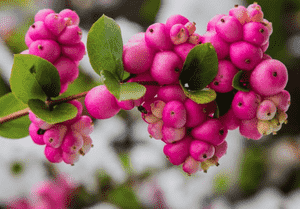
The most suitable time to transplant coralberry is in early spring, as environmental factors are conducive to root development. Select a location offering partial shade and soil that drains effectively, taking care to protect the root system for robust proliferation.
What Preparations are Needed Before Transplanting Coralberry?
What is the Ideal Time for Transplanting Coralberry?
The optimal time for moving coralberry is during its spring revival, as plants awaken from winter dormancy. Relocating coralberry at this point promotes strong root development prior to summer's heat. This season's mild temperatures and increased rainfall create a supportive environment, allowing coralberry's roots to adapt and expand with minimal stress. Selecting this favorable period for transplanting significantly boosts coralberry's chances for a successful transition and vigorous growth.
How Much Space Should You Leave Between Coralberry Plants?
When you're ready to plant your coralberry, ensure each one has ample room to flourish! Maintain a spacing of 4-6 feet (1.2-1.8 meters) between them. This will guarantee sufficient growth area for every plant.
What is the Best Soil Mix for Coralberry Transplanting?
Preparing the correct foundation for your coralberry is vital. Utilize a well-draining loamy or sandy soil. Remember to enrich it with a blend of organic material or a slow-release granular fertilizer.
Where Should You Relocate Your Coralberry?
Ensure you position your coralberry in a location that receives either full sun or partial shade. A semi-shaded backyard corner would be perfect. Just remember, inadequate sunlight can hinder their development.
What Equipments Should You Prepare Before Transplantation Coralberry?
Gardening Gloves
To safeguard your hands from dirt and potential cuts or abrasions from the plant or tools.
Hand Trowel
Perfect for excavating small holes for the transplant and working the soil around the plant.
Garden Spade
For extracting the coralberry from the ground or assisting in digging a larger hole if required.
Watering Can
To ensure the plant receives adequate moisture before, during, and after the transplanting procedure.
Garden Cart or Wheelbarrow
Useful for moving the plant from one spot to another, especially if it is large.
Pruning Shears
To trim any damaged or excessive parts of the coralberry before and after relocation.
How Do You Remove Coralberry from the Soil?
How Do You Remove Coralberry from the Soil?
From Ground: First, hydrate the coralberry to keep the soil damp, which will help preserve the root structure intact during removal. Then, use a garden spade to carefully dig around the plant, making sure to maintain a considerable distance to avoid root damage. When the plant begins to loosen, dig deeper and gently lift it from the ground while supporting its base.From Pot: Thoroughly water the coralberry plant to facilitate its removal from the pot. If feasible, tilt the pot sideways and carefully pull out the plant while supporting its base. If you find it challenging, gently tap the sides of the pot to loosen the soil and roots.From Seedling Tray: Water the tray to keep the soil and roots moist, then use a hand trowel or similar implement to carefully lift the seedling. It's crucial to handle it delicately by the seedling leaves rather than stems, which are easily damaged.
Step-by-Step Guide for Transplanting Coralberry
selection
Choose an appropriate plot in your garden for the coralberry, considering its growth habit and mature dimensions. The area should have good air circulation to reduce disease occurrence.
preparation
Prepare the planting site by digging a hole twice the size of the root ball using your garden spade. This allows the roots to spread and establish easily, and promotes plant growth.
transplantation
Carefully place the coralberry in the planting hole, ensuring it sits at the same depth as it was in its original location. Backfill the hole with soil, making sure to cover all the roots but not burying the stem.
watering
Water the coralberry thoroughly immediately after planting to help it establish new roots in its new location. This also helps the soil to settle around the roots.
How Do You Care For Coralberry After Transplanting?
Pruning
Trim any potential growth of the coralberry that won't support its overall health or appearance. This is best done in early spring to shape the plant and encourage new growth.
Mulching
Apply a layer of mulch 2 to 3 inches deep around the coralberry, without touching the stem. This helps to retain moisture, suppress weeds, and provide additional nutrients over time.
Maintenance Watering
Maintain consistent watering, especially during the initial weeks after transplanting to aid root establishment. However, avoid overwatering to prevent root rot.
Troubleshooting Common Issues with Coralberry Transplantation.
What's the perfect time of year to transplant coralberry?
The ideal period for relocating coralberry is between the early and middle stages of the growing season.
How should I space coralberry during transplanting?
Coralberry should be transplanted with a minimum separation of approximately 4-6 feet (1.2-1.8 meters) between each plant to ensure healthy development.
What soil conditions do coralberry prefer?
Coralberry thrives in well-drained, fertile soil. It also performs well in slightly acidic to slightly alkaline conditions.
How deep should I bury coralberry during transplanting?
The hole should be at least twice the size of the root ball. The top of the root ball should be level with or slightly below the ground surface.
Why is my transplanted coralberry wilting?
Wilting can be caused by insufficient or excessive watering, transplant shock, or failure to acclimate the plant to its new environment. Ensure proper care and gradual sun exposure.
Is it necessary to water coralberry immediately after transplanting?
Indeed! Watering immediately after transplanting helps settle the soil around the roots and minimizes transplant shock.
Why are the leaves of my transplanted coralberry turning yellow?
This might be due to over-watering, inadequate sunlight, or a lack of nutrients. Investigate each possibility and take appropriate action.
Can I transplant coralberry in a pot?
Absolutely. However, ensure the pot is sufficiently large to accommodate growth and has proper drainage holes to prevent waterlogging.
What kind of sunshine does coralberry prefer after transplanting?
Coralberry prefers full to partial sun exposure. If in a hotter climate, afternoon shade will benefit the plant.
Should I prune coralberry after transplanting?
A light trim would be beneficial. Pruning helps direct the plant's energy into root establishment rather than supporting excessive top growth.



