How to Transplant Creeping Snowberry?
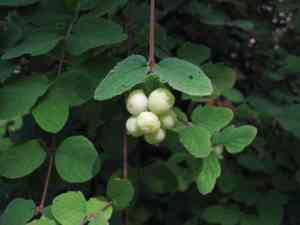
It is most favorable to transplant creeping Snowberry during the mild temperatures of late spring through early summer to facilitate root development. Select locations offering partial shade and soil that is damp yet drains effectively. Careful management of the root system encourages improved acclimation to its new environment.
What Preparations are Needed Before Transplanting Creeping Snowberry?
What is the Ideal Time for Transplanting Creeping Snowberry?
The perfect time to move creeping Snowberry is during the revitalizing period from late spring to the start of summer. This timing allows creeping Snowberry to establish roots in mild soil before the intense summer heat, ensuring strong growth. Transplanting during this window maximizes the benefits of gentler weather and longer days, providing creeping Snowberry with the favorable conditions needed to thrive post-transplant, setting the stage for a vibrant display.
How Much Space Should You Leave Between Creeping Snowberry Plants?
Hello, gardening enthusiast! When relocating your creeping Snowberry, remember to provide ample room for expansion â a distance of approximately 4-6 feet (1.2-1.8 meters) should be sufficient!
What is the Best Soil Mix for Creeping Snowberry Transplanting?
For creeping Snowberry, they prefer to be nestled in well-draining soil enriched with a bit of compost or a balanced slow-release fertilizer. Consider it a comfortable bed for your young plants!
Where Should You Relocate Your Creeping Snowberry?
Your creeping Snowberry will flourish best with a combination of sun and shade. Locate a spot that offers some gentle morning light and filtered afternoon sun. It's like choosing a beach spot â not too hot, not too cold!
What Equipments Should You Prepare Before Transplantation Creeping Snowberry?
Gardening Gloves
To safeguard your hands while handling soil and plants.
Shovel or Spade
For excavating the plant without harming its root ball.
Hand Trowel
Used for minor adjustments and digging precise holes.
Watering Can or Hose
To hydrate the plant before and after relocation.
Wheelbarrow or Garden Cart
For moving the plant and soil if necessary.
Pruning Shears
To trim any damaged roots or stems.
Mulch
To help the soil retain moisture and prevent weeds around the transplanted creeping Snowberry.
Rooting Hormone (optional)
To stimulate root development in case of root damage.
How Do You Remove Creeping Snowberry from the Soil?
How Do You Remove Creeping Snowberry from the Soil?
From Ground: Gently water the creeping Snowberry to make the soil easier to manage. Dig a wide circle around the plant with a shovel or spade, being careful not to injure the root system. Slide the tool beneath the root ball and carefully lift the plant from the ground.From Pot: Water the creeping Snowberry, then gently tilt the pot sideways. Support the plant with one hand, and tap the pot's base to help loosen it. Carefully remove the plant while protecting its root ball.From Seedling Tray: Water the soil around the creeping Snowberry to ensure it's not too dense. Use a hand trowel or similar tool to carefully scoop out the plant, including its surrounding soil and roots, from the tray.
Step-by-Step Guide for Transplanting Creeping Snowberry
Preparation
Ensure all necessary tools are readily available. Hydrate the creeping Snowberry before beginning the transplant process to minimize stress.
Root & Stem Pruning
Utilize pruning shears to remove any broken or excessively long roots. Similarly, trim damaged or dead stems to encourage healthy growth.
Digging Hole
With the hand trowel, excavate a hole in the ground that is twice as wide and the same depth as the creeping Snowberry's root ball.
Planting
Carefully position the creeping Snowberry in the center of the hole. Adjust the plant so it sits at the same level as its original location. Fill in around the root ball with the excavated soil, and gently firm it down.
Watering
Water the creeping Snowberry immediately after planting to settle the soil and eliminate air pockets. Ensure water penetrates deeply into the root zone.
Mulching
Apply a layer of mulch around the base of creeping Snowberry to help maintain soil moisture and temperature.
How Do You Care For Creeping Snowberry After Transplanting?
Immediate Watering
Water generously right after transplanting to help the creeping Snowberry recover from shock and to help settle the soil.
Regular Watering
Maintain a consistent watering schedule for the next few weeks, allowing the soil to become slightly dry between waterings.
Mulching
Maintain a mulch layer to conserve water and to keep the temperature stable.
Monitoring
Watch for any signs of stress, such as wilting or discolored leaves, and adjust care as needed.
Support Stakes
If the creeping Snowberry is tall or in a windy location, use a stake for support until it establishes.
Pruning
Remove any additional dead materials to encourage healthy new growth.
Troubleshooting Common Issues with Creeping Snowberry Transplantation.
What's the best time to transplant creeping Snowberry?
The ideal season for relocating creeping Snowberry is when spring transitions into early summer.
How do I prepare the soil for creeping Snowberry transplantation?
Enrich the soil with organic compost and ensure it drains well to promote creeping Snowberry's growth.
At what distance should I space creeping Snowberry plants?
Space creeping Snowberry at a comfortable distance of 4-6 feet (1.2-1.8 meters) to allow ample room for spreading.
How deep should the planting hole be for creeping Snowberry?
Dig a hole as deep as the root ball and twice as wide to accommodate creeping Snowberry's roots.
How much should I water creeping Snowberry after transplanting?
Initially water creeping Snowberry generously to settle the soil; thereafter, maintain consistent moisture, avoiding waterlogging.
Can creeping Snowberry be transplanted under full sun?
While creeping Snowberry tolerates partial shade, choose a location with dappled sunlight for optimal results.
What if creeping Snowberry's leaves wilt after transplanting?
Wilting is common; ensure proper watering and initial shade from harsh afternoon sun.
Is it important to mulch around creeping Snowberry after transplanting?
Yes, a layer of mulch helps retain soil moisture and temperature, promoting healthier creeping Snowberry plants.
What signs indicate transplant shock in creeping Snowberry?
Stunted growth, yellowing, and dropping leaves can signal shock; mitigate with careful handling and minimal disturbance.
How soon can I expect creeping Snowberry to bloom after transplanting?
With proper care, creeping Snowberry will likely establish in its first season and bloom by the following year.



