How to Transplant West indian mahogany?
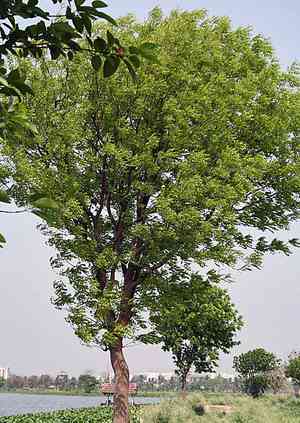
Relocate west indian mahogany in the pleasant period of late spring to leverage the accelerated development driven by warm earth. Select a brightly lit location with soil that drains effectively, and during the process, protect its delicate root structure to guarantee a smooth acclimation.
What Preparations are Needed Before Transplanting West Indian Mahogany?
What is the Ideal Time for Transplanting West Indian Mahogany?
The optimal period for relocating west indian mahogany is during late spring. This timing allows west indian mahogany to establish its root system in mild temperatures, avoiding the harshness of peak summer heat. Furthermore, transplanting west indian mahogany at this time leverages the upcoming growth season, promoting vigorous development and health. Choosing this window provides west indian mahogany the best opportunity to flourish in its new setting, supported by gradually rising temperatures and the ample rainfall typical of early summer.
How Much Space Should You Leave Between West Indian Mahogany Plants?
When moving west indian mahogany, ensure each plant has ample room to grow. Generally, aim for a spacing of 6-10 feet (1.8-3 meters) between individual plants. This promotes robust development!
What is the Best Soil Mix for West Indian Mahogany Transplanting?
Preparing your soil is also crucial. West indian mahogany thrives in well-drained soil, enriched with organic matter. Before planting, mix in a balanced slow-release fertilizer. This will provide a healthy head start!
Where Should You Relocate Your West Indian Mahogany?
Placement is key! West indian mahogany requires abundant sunlight, so select a location where it can receive full sun exposure for most of the day. Avoid shaded areas, as these will hinder your west indian mahogany's proper growth.
What Equipments Should You Prepare Before Transplantation West Indian Mahogany?
Gardening Gloves
To safeguard your hands while handling soil and west indian mahogany.
Shovel or Spade
Necessary for excavating the plant from its original spot and digging a new hole.
Pruning Shears
For trimming the roots of the west indian mahogany if required.
Wheelbarrow
To move the west indian mahogany from its initial location to the new planting site.
Watering Can
For hydrating the west indian mahogany both before and after relocation.
Organic Mulch
To maintain soil moisture around the west indian mahogany and encourage root development post-transplantation.
How Do You Remove West Indian Mahogany from the Soil?
How Do You Remove West Indian Mahogany from the Soil?
From Ground: First, hydrate the west indian mahogany to moisten the soil, making excavation easier. Next, dig a wide trench around the plant with a shovel, ensuring the root ball remains intact. Gently lift the spade beneath the root ball to extract the west indian mahogany from its original position.From Pot: Water the west indian mahogany an hour prior to your planned transplant. Tilt the pot sideways, then apply gentle pressure to the pot's base to encourage the plant to slide out. Preserve as much of the rootball as possible to minimize plant stress.From Seedling Tray: The west indian mahogany, as a seedling, is delicate and requires extra care during transplanting. First, water the tray to moisten the soil and roots. Then, using a small spade or your fingers, carefully separate the seedling and its surrounding soil from its spot. Be sure to handle the seedling by its leaves, not its stem, to avoid accidental damage.
Step-by-Step Guide for Transplanting West Indian Mahogany
Preparation
Excavate a hole in your chosen spot that is twice as wide and as deep as the west indian mahogany's root ball. Loosen the soil on the sides and bottom of the hole with your shovel.
Placement
Carefully position the west indian mahogany in the center of the hole, ensuring it stands upright. Adjust the hole's depth if needed. The top of the root ball should be flush with or slightly below the soil surface.
Backfill
Refill the hole with the excavated soil, gently pressing it down around the west indian mahogany's roots. Avoid compacting the soil too much, as this can hinder root growth.
Watering
Generously water the west indian mahogany after planting, to settle the soil around the roots and aid its establishment in the new location.
How Do You Care For West Indian Mahogany After Transplanting?
Monitoring
Observe the west indian mahogany for indications of transplant shock, such as wilting or yellowing foliage. If these signs appear, verify proper watering and consider applying a root-stimulating fertilizer.
Pruning
Trimming back the west indian mahogany post-transplant can stimulate new growth and assist the plant in re-establishing its root system. However, avoid severe pruning as this could further stress the plant.
Mulching
Apply a layer of organic mulch around the base of the west indian mahogany. This will help retain soil moisture, suppress weed growth, and regulate soil temperature, aiding the west indian mahogany's establishment in its new location.
Troubleshooting Common Issues with West Indian Mahogany Transplantation.
When is the best time to transplant west indian mahogany?
The optimal season for transplanting west indian mahogany is during its dormant period in the third season (S3). This allows it to adapt to the new site before its active growth phase.
What's the optimal spacing for transplanting west indian mahogany?
For west indian mahogany, providing ample room to expand is crucial. An ideal spacing of 6-10 feet (1.8-3 meters) apart enables each plant to thrive without competing for resources.
Do I need to amend soil when transplanting west indian mahogany?
Absolutely! Soil amendment creates the best conditions for root establishment. Incorporate compost or well-rotted manure into the soil before transplanting west indian mahogany. This enhances the soil's texture, fertility, and water retention.
What's the best viable depth for placing west indian mahogany during transplanting?
Plant west indian mahogany at the same depth it was growing in its original container. Planting too deep can cause stem rot, while too shallow can expose roots and risk dehydration.
How do I water west indian mahogany after transplanting?
After transplanting west indian mahogany, water thoroughly to settle the soil around the roots. Keep the soil consistently moist, but not waterlogged, for the initial few weeks. Gradually reduce watering as the plant becomes established.
How often should I apply fertilizer following transplant?
Wait 4-6 weeks after transplanting before applying fertilizer. Then, feed west indian mahogany with a slow-release fertilizer every couple of months during the growing season. Avoid over-fertilizing, as this can harm the plant.
Why are leaves of my transplanted west indian mahogany yellowing?
Yellowing leaves after transplanting could indicate water stress, either from excessive or insufficient watering, or a nutrient deficiency. Evaluate your watering habits, soil drainage, and nutrient levels to pinpoint the problem.
Do I need to stake my west indian mahogany after transplanting?
Staking is generally not required for west indian mahogany unless it exceeds 2 feet (60 cm) in height. Typically, short-term use of a loose stake can help the plant remain upright and root properly.
Does west indian mahogany need mulching after transplanting?
Yes, mulching is recommended. Apply a 2-3 inch (5-7.6 cm) layer of organic mulch around west indian mahogany, leaving a gap near the stem. Mulching helps conserve soil moisture, regulate temperature, and suppress weed growth.
How should I manage west indian mahogany care after transplanting?
Regularly monitor the health of west indian mahogany after transplanting. Provide consistent watering, check for signs of disease or pests, prune dead or damaged branches, and fertilize as needed for optimal results.



