How to Transplant Japanese Snowbell?
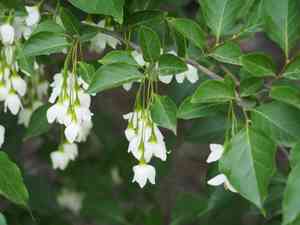
The ideal period to transplant Japanese Snowbell is during the transition from late spring to early summer, which aids in root development. Place it in a location with good drainage and partial shade, and when moving it, be sure to disturb the roots as little as possible for the best outcome.
Essential Preparations Before Relocating Japanese Snowbell
Optimal Period for Moving Japanese Snowbell?
The transition from late spring to early summer presents the perfect window for transplanting japanese Snowbell. During this time, mild temperatures and consistent moisture levels create an ideal setting for japanese Snowbell to establish its root system without the stress of extreme weather. This timing ensures japanese Snowbell benefits from the season's nurturing climate, promoting robust growth and a smooth adaptation to its new spot. A more favorable season for japanese Snowbell would be hard to find!
Recommended Spacing Between Japanese Snowbell Plants?
When relocating japanese Snowbell, ensure ample room for its development. An ideal spacing of 15-20 feet (or 4.5-6 meters) between each plant is recommended. This provides sufficient sunlight and air circulation for healthy growth.
Best Soil Blend for Japanese Snowbell Transplantation?
Begin soil preparation by incorporating a well-draining base fertilizer into your garden soil. Japanese Snowbell thrives in rich, loamy soils, so select a fertilizer abundant in organic matter. Ensure thorough mixing with the soil prior to planting.
Where to Replant Your Japanese Snowbell?
Japanese Snowbell prefers a location with bright, indirect sunlight. Choose a spot in your garden that receives partial to full sun exposure. This way, your japanese Snowbell can get the necessary light without being scorched by the midday sun.
Tools Required Before Transplanting Japanese Snowbell?
Gardening Gloves
To safeguard your hands while handling soil and japanese Snowbell.
Shovel or Spade
Used to excavate the japanese Snowbell from its original site without harming the roots. Also serves to prepare the new planting location.
Garden Hose or Watering Can
To hydrate the soil around the japanese Snowbell before and after removal, preventing root shock.
Wheelbarrow
Useful for transporting the japanese Snowbell, especially if it's mature and larger. This helps minimize stress on the plant during relocation.
Gardening Trowel
For adjusting the soil around the japanese Snowbell after it has been transplanted.
Mulch
To regulate soil temperature and moisture levels post-transplantation.
Pruning Shears
To trim any damaged roots or foliage before and after transplanting.
How to Extract Japanese Snowbell from the Ground?
How to Extract Japanese Snowbell from the Ground?
From Ground: Start by moistening the soil around the japanese Snowbell to make it pliable and easier to work with. Avoid saturating the soil; a slight dampness is sufficient. Dig a wide circle around the japanese Snowbell with a spade, being careful not to disturb the root ball. Gently work the spade beneath the root ball and carefully lift the japanese Snowbell from its initial spot.From Pot: Lightly water the japanese Snowbell to dampen the soil. Turn the pot on its side, and while supporting the japanese Snowbell with one hand, gently tap the bottom of the pot until the plant slides out. Avoid pulling the japanese Snowbell by its stem as this could injure the plant.From Seedling Tray: Lightly sprinkle water over the seedlings. Using a small spoon or trowel, carefully loosen the soil around the roots. Gently lift the japanese Snowbell without excessively disturbing the roots.
Detailed Guide for Transplanting Japanese Snowbell
Preparation
Ensure the new site for the japanese Snowbell is ready before beginning the removal process. This includes weeding, tilling, and properly shaping the soil in anticipation of the transplant.
Removal
Utilize the appropriate tool for extraction based on the japanese Snowbell's current location. Exercise caution to prevent root damage during this step.
Transplantation
Dig a hole twice the size of the japanese Snowbell's root ball. Position the japanese Snowbell into the hole, ensuring it sits at the same depth as it did in its original spot. Backfill the hole with soil, gently firming it around the base of the japanese Snowbell.
Watering
After transplanting, thoroughly water the japanese Snowbell and the surrounding soil. Keep the soil moist but not waterlogged.
Post-Transplant Care for Japanese Snowbell
Monitoring
Regularly inspect the health of the japanese Snowbell after relocation. It's normal for some leaves to yellow or drop as the plant adjusts to its new environment. If a significant portion of the plant wilts or turns brown, it may be experiencing transplant shock.
Pruning
Remove any dead or dying leaves and branches to reduce stress on the japanese Snowbell and encourage new growth. However, avoid aggressive pruning immediately after transplantation. Only prune substantial portions once the japanese Snowbell has established itself in the new location.
Mulching
To retain moisture and suppress weed growth, apply a layer of mulch around the japanese Snowbell, ensuring it doesn't touch the base.
Consistent Watering
For 1-2 weeks following transplantation, maintain a regular watering schedule to help the japanese Snowbell develop new roots. After this period, reduce watering and adhere to the plant's natural hydration requirements.
Addressing Common Issues with Japanese Snowbell Transplantation.
When is the optimal time to move japanese Snowbell?
The best period to transplant japanese Snowbell is during S3-S4, which corresponds to late summer through early fall.
What is the recommended spacing for japanese Snowbell when relocating?
Plant each japanese Snowbell approximately 15-20 feet (4.5-6 meters) apart. This spacing promotes robust growth.
How deep should I plant japanese Snowbell during transplantation?
Excavate a hole as deep as your plant's root ball and twice its width. The plant should be positioned at the same level it was previously growing.
Why are the leaves of my transplanted japanese Snowbell turning yellow?
Yellow leaves typically indicate excessive watering. Try to moderate your water application; it's about finding the right balance.
Why isn't my transplanted japanese Snowbell blooming?
Lack of blooms can be attributed to insufficient light. Ensure your japanese Snowbell receives ample sunlight!
What type of soil is suitable for japanese Snowbell transplantation?
Japanese Snowbell prefers well-drained soil with a neutral to slightly acidic pH. Enhance the site with compost or peat moss to boost nutrient content.
What is the watering regimen for my newly transplanted japanese Snowbell?
Water your japanese Snowbell generously after transplanting, then adhere to a regular watering scheduleâdeeply, once weekly, is often sufficient.
What should I do if my transplanted japanese Snowbell begins to wilt?
Japanese Snowbell might wilt due to transplant shock. Keep the soil consistently moist, avoid direct sunlight, and ensure it's planted at the correct depth.
How can I safeguard my transplanted japanese Snowbell from pests?
Maintain a clean environment, manually remove pests, or use organic insecticidal soap. Regular monitoring is crucial for pest control.
My transplanted japanese Snowbell shows signs of disease. What action should I take?
Identify the disease and treat it effectively. Fungal diseases can be managed with fungicides, and bacterial diseases with antibacterials. Seek expert advice when unsure.



