How to Transplant Japanese pagoda tree?
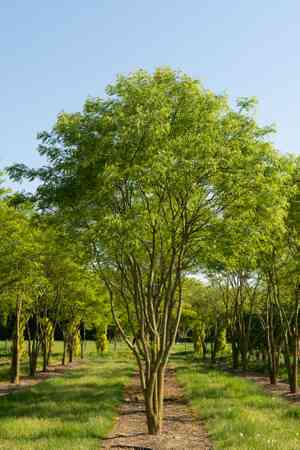
For a successful relocation of your japanese pagoda tree, select the period from early spring to late spring, or from late autumn to late winter. This timing facilitates strong root development in cooler conditions. Pick a location that receives full sun or partial shade, providing sufficient room for its expansion. Enjoy your transplanting!
What Preparations are Needed Before Transplanting Japanese Pagoda Tree?
What is the Ideal Time for Transplanting Japanese Pagoda Tree?
The best period to move japanese pagoda tree is from early spring to its conclusion or from late autumn through the heart of winter. This timing utilizes the plant's dormant state, lessening the stress of relocation. Your trusted gardening advisor confirms that undertaking this during these intervals will prepare your japanese pagoda tree for a thriving growth cycle. Remember, selecting the perfect moment to move your japanese pagoda tree is the initial step for successful transplantation. No exaggerations here, just straightforward horticultural facts!
How Much Space Should You Leave Between Japanese Pagoda Tree Plants?
To provide your japanese pagoda tree ample room to develop, position your transplanting sites approximately 20-40 feet (6-12 meters) apart. This will guarantee adequate air circulation and space for expansion!
What is the Best Soil Mix for Japanese Pagoda Tree Transplanting?
For a flourishing, robust japanese pagoda tree, prepare the earth with a well-draining mixture such as loamy or sandy soil. Incorporate a foundational fertilizer rich in phosphorus and potassium to promote strong root development and healthy growth.
Where Should You Relocate Your Japanese Pagoda Tree?
To ensure optimal sun exposure, select a spot with full sun to partial shade. Your japanese pagoda tree will require at least 4-6 hours of direct sunlight daily. Be mindful of nearby structures that might cast shadows as the plant matures.
What Equipments Should You Prepare Before Transplantation Japanese Pagoda Tree?
Gardening Gloves
To safeguard your hands while handling soil and plants.
Shovel or Spade
To excavate the japanese pagoda tree from its original location or container.
Gardening Trowel
To dig an appropriate hole in the new site.
Watering Can
To hydrate the japanese pagoda tree before and after its relocation.
Wheelbarrow or Large Bucket
To move the plant from its initial position to the new spot without causing damage.
How Do You Remove Japanese Pagoda Tree from the Soil?
How Do You Remove Japanese Pagoda Tree from the Soil?
From Ground: Start by moderately watering the japanese pagoda tree to loosen the earth. Carefully dig a wide and deep trench around the plant using a shovel or spade, ensuring the plant's root ball stays intact. Gradually work the spade beneath the root ball to gently lift the plant from its original position.From Pot: Begin by lightly watering the japanese pagoda tree. Place one hand over the pot's rim, holding the plant at its base, and invert the pot. Apply gentle pressure to the pot's bottom to help the plant and root ball slide out.From Seedling Tray: Moisten the soil in the seedling tray. Gently grasp the base of the japanese pagoda tree and lift it from the seedling tray, taking care not to harm the roots.
Step-by-Step Guide for Transplanting Japanese Pagoda Tree
Preparation
Begin by carefully extracting the japanese pagoda tree from its initial spot using the method described above that fits your situation.
Digging a Hole
In your chosen location, excavate a hole with the trowel that is twice the width and the same depth as the root ball.
Planting
Position the japanese pagoda tree in the hole, ensuring that the top of the root ball is level with the ground's surface. Backfill the hole with the original soil, gently firming it around the plant.
Watering
Following transplantation, thoroughly water the japanese pagoda tree, saturating the surrounding soil.
How Do You Care For Japanese Pagoda Tree After Transplanting?
Pruning
During the first year after transplanting, your japanese pagoda tree will prioritize establishing its root system over blooming. Prune sparingly if necessary, but avoid extensive pruning to prevent further stress to the plant.
Mulching
Apply a layer of organic mulch around the base of your japanese pagoda tree to help maintain soil moisture and temperature. Keep the mulch a few inches away from the trunk to prevent rot and pests.
Watering
While the japanese pagoda tree is getting established, regularly check the soil's moisture levels. Water sufficiently to keep the soil damp, but be careful not to overwater.
Troubleshooting Common Issues with Japanese Pagoda Tree Transplantation.
When is the perfect time to transplant my japanese pagoda tree?
The optimal period to move your japanese pagoda tree is from early to late spring or from late autumn to the close of winter.
What is the ideal space between japanese pagoda tree when transplanting?
You should aim to plant japanese pagoda tree with a distance of 20-40 feet (6-12 meters) between each tree. This will provide ample room for growth.
What type of soil is best for transplanting japanese pagoda tree?
Japanese pagoda tree prefers well-drained soil. Loamy or sandy soil types are most suitable; they encourage healthy root development and ensure optimal growth.
What kind of light condition is needed when transplanting japanese pagoda tree?
Relocate your japanese pagoda tree to a spot with full sunlight. This means where it can receive sunlight for at least 6 hours during the day.
Why are the leaves of my transplanted japanese pagoda tree wilting?
Wilting leaves after transplanting may indicate shock. Ensure consistent watering, keep it in full sun, and avoid transplanting during extreme temperatures.
My transplanted japanese pagoda tree looks sickly, what should I do?
Ensure your japanese pagoda tree receives adequate water and sunlight. If symptoms persist, you might need a soil test to diagnose any nutrient deficiencies.
What is the best method to water my transplanted japanese pagoda tree?
Water the newly transplanted japanese pagoda tree thoroughly, saturating the soil around the root zone. Afterward, water regularly as the soil begins to dry.
How deep should I plant japanese pagoda tree when transplanting?
The hole for japanese pagoda tree should be twice as wide and the same depth as the root ball. The tree should not be planted too deeply.
Can I transplant japanese pagoda tree in the summer?
Transplanting japanese pagoda tree in the summer can cause stress to the tree due to high temperatures. This is why early spring or late fall are the most favorable times.
How to manage the growth of a transplanted japanese pagoda tree?
Monitor your japanese pagoda tree for proper development by keeping it well-watered, ensuring it gets sufficient sunlight, maintaining appropriate spacing, and performing regular pruning when necessary.



