How to Transplant Bird of paradise?
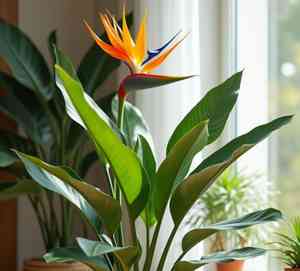
For Strelitzia, the ideal period for relocation is between late spring and early summer, since elevated soil warmth encourages root development. Select a bright spot featuring soil that drains effectively. Ensure sufficient room for its impressive leaves when choosing the new planting area.
Essential Preparations Before Relocating Bird Of Paradise?
When is the Best Time to Relocate Bird Of Paradise?
The ideal time for relocating bird of paradise is late spring or early summer. Your bird of paradise will flourish if moved during warmer weather and extended daylight hours. Moving it then directs the plant's energy towards developing a stronger root system, aiding its adjustment to a new spot. A robust root system is key to the vibrant, colorful blooms bird of paradise is known for.
What Distance Should Be Maintained Between Bird Of Paradise Plants?
When relocating bird of paradise, it's crucial to allow ample room for growth. Maintain a distance of approximately 6 feet (1.8 meters) between each plant to ensure their optimal development.
What is the Optimal Soil Mixture for Bird Of Paradise Relocation?
For bird of paradise, soil that drains well is vital. Choose a blend of loam, sand, and compost to create a rich, nutrient-filled base. As you prepare the site, incorporate a slow-release fertilizer to give your plant an excellent start.
Where is the Best Place to Move Your Bird Of Paradise?
Your bird of paradise will thrive with abundant sunlight! Select a garden spot that receives at least 6 hours of direct sun daily. This guarantees your plant will display its vivid colors and bloom beautifully.
What Tools Are Needed Before Relocating Bird Of Paradise?
Shovel or Spade
This gardening implement will be necessary for digging the new planting hole and extracting the bird of paradise from its current spot; a spade is better for younger plants, while a shovel suits more mature ones.
Gardening Gloves
To safeguard your hands from sharp gardening tools or the intricate root system of your bird of paradise.
Garden Pruning Shears
When handling mature bird of paradise plants, these might be needed to safely cut and trim roots if required.
Mulch
This is essential for helping to retain soil moisture after relocation.
Watering Can or Hose
The bird of paradise will require a thorough drenching immediately after relocation to help its roots settle in the new location.
How Do You Extract Bird Of Paradise from the Soil?
How Do You Extract Bird Of Paradise from the Soil?
From Ground: Start by watering the bird of paradise plant until the soil is damp but not waterlogged, which helps keep the root ball intact. Using a shovel or spade, depending on the plant's size, begin digging a trench around the plant. The trench should be wider than the plant's diameter to avoid root damage. Do not dig too close to the stem to prevent disturbing the root system. Carefully work the spade under the root ball to lift the plant from its current spot.From Pot: Begin by watering the plant until the soil is slightly moist. This helps the root ball stay together when you remove the plant. Tilt the pot sideways and gently tap or squeeze it to loosen the soil. Pull the plant out of the pot by firmly grasping the base of the stem. Avoid pulling on the leaves or stem to prevent damage.From Seedling Tray: Water the bird of paradise seedling a few hours before moving it. Use a small tool to carefully loosen the soil around the seedling. Hold the seedling by its root ball or base to gently remove it from the tray.
Step-by-Step Guide for Relocating Bird Of Paradise
Hole Preparation
A suitable hole should be prepared in the chosen spot. Dig a hole twice the width of the root ball and equal to its depth. This extra space will allow the roots to spread and establish quickly.
Placement
Gently position the bird of paradise in the center of the hole, ensuring the top of the root ball is level with the ground. The planting hole should not be too deep, as this can lead to root rot.
Backfill
Begin refilling the hole with the excavated soil. Firmly press down the soil as you backfill to eliminate any air pockets. However, avoid compacting the soil too tightly to allow for easy root penetration.
Watering
Water the bird of paradise with a gentle spray immediately after planting to settle the soil around the roots. Avoid over-saturating the soil to prevent waterlogging.
How Do You Care For Bird Of Paradise After Relocation?
Watering
Ensure the newly relocated bird of paradise is thoroughly watered one to two times per week during the first month to maintain soil moisture and aid root establishment. However, prevent waterlogged conditions, which could lead to root rot.
Trimming
If your bird of paradise plant shows signs of stress, such as wilting or browning leaves, do not hesitate to prune the affected parts. This pruning will lessen the plant's stress and allow it to direct more energy towards root development.
Mulching
Apply a layer of mulch around the plant's base to help retain soil moisture and inhibit weed growth.
Addressing Common Issues with Bird Of Paradise Relocation.
When is the best time to relocate bird of paradise?
Relocating bird of paradise is best done during the warmer months, specifically late spring to early summer, when weather conditions are ideal for growth.
What distance should I maintain between bird of paradise plants during relocation?
When relocating bird of paradise, ensure each plant is spaced approximately 6 feet (1.8 meters) apart. This adequate spacing promotes healthier growth by reducing competition for resources.
What should I do if bird of paradise has outgrown its current container?
If your bird of paradise has outgrown its pot, it's time to move it to a larger container or directly into the ground. Prepare your new location in advance for the transfer.
Why is my relocated bird of paradise not flourishing?
A non-flourishing bird of paradise indicates stress. Ensure proper watering, protect it from extreme environmental conditions, and regularly check for any pests or disease signs.
How deep should the hole be when relocating bird of paradise?
When relocating bird of paradise, dig a hole twice the size of its root ball. This will ensure the roots have ample room to spread and establish.
How should I prepare the soil for bird of paradise relocation?
The soil for bird of paradise should drain well. Incorporate organic compost or manure to enrich the soil. If it's heavy clay, add some coarse sand for improved drainage.
How do I ensure the roots settle well after relocating bird of paradise?
Water bird of paradise thoroughly right after relocating, ensuring soil settlement. Continue to water deeply but infrequently for a couple of weeks until it establishes in the new location.
How should I handle the roots during bird of paradise's relocation?
Be gentle with the roots during relocation. Loosen the root ball slightly without damaging roots. Harsh handling can cause root shock, hindering successful relocation of bird of paradise.
What aftercare is needed following the relocation of bird of paradise?
After relocating bird of paradise, provide it with sufficient water and sunlight, and shield it from extreme weather. Regularly check for any signs of pests or diseases and treat promptly.
Can I prune bird of paradise during relocation?
Yes, you can lightly prune bird of paradise during relocation to reduce water loss through transpiration, but avoid extensive pruning as it can cause stress to the plant.



