How to Transplant Hairy feathergrass?
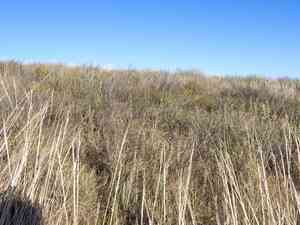
For hairy feathergrass, early spring presents the ideal period for relocation, encouraging vigorous development. Select a bright location featuring soil that drains effectively. Should it be required, gradually introduce hairy feathergrass to its new environment to lessen transplant stress, guaranteeing a smooth adjustment to its fresh setting.
What Preparations are Needed Before Transplanting Hairy Feathergrass?
What is the Ideal Time for Transplanting Hairy Feathergrass?
The best time to move hairy feathergrass is at the start of spring, as the cool but warming ground helps roots settle. This period, balancing the end of cold weather and the gentle increase in warmth, offers the perfect balance for hairy feathergrass to adjust to its new spot without extreme temperature stress. This timing ensures the plants have a full growing season to become strong before winter dormancy. Moving hairy feathergrass when the earth is waking from winter encourages vigorous growth, as roots can easily spread in moist soil and benefit from longer daylight hours. Furthermore, this is a time when gardeners are enthusiastic, and the friendly reminder that your care this season can lead to a lush, thriving garden will foster a sense of accomplishment that comes with well-timed gardening efforts.
How Much Space Should You Leave Between Hairy Feathergrass Plants?
First, you'll need to allow sufficient room for hairy feathergrass to expand, so position them 1-2 feet (30-60 cm) apart. They require ample space to flourish, much like you need room to move freely in your home.
What is the Best Soil Mix for Hairy Feathergrass Transplanting?
Ensure your soil drains well and has a pH that is neutral to slightly alkaline. A good initial fertilizer for hairy feathergrass would be a balanced, slow-release granular type; it provides them with an excellent nutritional foundation for growth.
Where Should You Relocate Your Hairy Feathergrass?
Hairy feathergrass thrives in sunlight, so locate a spot in your garden that receives abundant light throughout the day. Even a small amount of shade might hinder its full growth potential, so choose a sunny location!
What Equipments Should You Prepare Before Transplantation Hairy Feathergrass?
Gardening Gloves
To protect your hands from dirt and plant debris.
Spade or shovel
To assist in digging the hole for relocation and removing the plant from its current spot.
Watering Can
For moistening the soil before and after moving the plant.
Wheelbarrow
To transport soil and the plant itself.
Gardening Fork
To loosen and aerate the soil at the new planting site.
Secateurs or Pruners
To trim any damaged or dead parts of the plant prior to transplanting.
How Do You Remove Hairy Feathergrass from the Soil?
How Do You Remove Hairy Feathergrass from the Soil?
From Ground: Begin by thoroughly watering the hairy feathergrass plant to moisten the surrounding soil. Next, using a spade or shovel, dig a wide circle around the plant, being careful not to cut into the root ball. Undercut the root ball to separate it from deeper roots, then gently lift the plant out. The aim is to keep as much of the root ball and soil intact.From Pot: If the hairy feathergrass plant is in a container, start by watering it completely. Afterward, carefully invert the pot while holding the plant's base. Tap the pot a few times, if needed, to loosen and slide it off. Handle the root ball with care to prevent any damage.From Seedling Tray: To remove the hairy feathergrass plant from a seedling tray, lightly water the entire tray first. Then, gently ease each seedling out of its cell, ideally by pushing it from the bottom. Be cautious when handling the delicate roots.
Step-by-Step Guide for Transplanting Hairy Feathergrass
Preparation of the site
Loosen and aerate the soil where the hairy feathergrass plant will be moved using a gardening fork. The loosened soil will make it easier for the plant to establish its roots. Dig a hole that is twice the size of the hairy feathergrass plant's root ball.
Placement
Carefully position the hairy feathergrass plant in the hole, ensuring it sits at the same depth as it was in its original location. The top of the root ball should be level with the ground surface.
Backfilling
Fill the hole with loose soil, gently firming around the base of the hairy feathergrass plant to ensure it remains upright. Be careful not to compact the soil too tightly, as this can hinder the roots from spreading into the new soil.
Watering
Immediately after transplanting, water the hairy feathergrass plant generously to help settle the soil and to hydrate the plant. This aids the roots in beginning to establish contact with the new soil.
How Do You Care For Hairy Feathergrass After Transplanting?
Checking
Regularly inspect the hairy feathergrass plant after relocation. It's normal for the plant to show some signs of transplant shock, such as yellowing leaves or drooping. If symptoms persist or worsen, they might indicate an issue with the plant's ability to establish itself.
Pruning
If your hairy feathergrass plant has any withered or brown leaves or stems after transplanting, trim them off. This helps the plant direct its energy towards root and new growth.
Watering
Until the hairy feathergrass plant is fully established, ensure it receives an adequate amount of water. Insufficient watering can lead to weak roots, while excessive watering can cause waterlogging or root diseases.
Troubleshooting Common Issues with Hairy Feathergrass Transplantation.
What is the best time of the year to transplant hairy feathergrass?
The ideal period for moving hairy feathergrass is between seasons 1 and 2. This timeframe offers optimal conditions for the plant's health and development.
How much space should I leave between each hairy feathergrass plant when transplanting?
Ideally, maintain a distance of 1-2 feet (30-60 cm) between each hairy feathergrass plant. This provides ample room for growth and ensures good air circulation.
What measures should I take if the hairy feathergrass appears wilted post-transplant?
If your hairy feathergrass appears wilted after transplanting, promoting hydration is essential. Water lightly but frequently to maintain moisture without creating waterlogged conditions.
How to prevent shock to hairy feathergrass during transplanting?
Transplant shock can be minimized by keeping the root ball intact. Water the plant thoroughly before transplanting to keep the roots hydrated and reduce stress.
What type of soil is ideal for transplanting hairy feathergrass?
Hairy feathergrass prefers well-drained soil. A mix of loam and compost ensures plenty of nutrients and proper water management.
How deep should I plant the hairy feathergrass when transplanting?
When transplanting, the hairy feathergrass should be planted at the same depth it was growing previously, typically not more than 1-2 inches (2.5-5 cm).
How should I care for hairy feathergrass immediately after transplanting?
Once moved, provide hairy feathergrass with a good amount of water and shade for a few days. This will help the plant adapt to its new location.
When will I know if the transplant of hairy feathergrass has been successful?
You'll know the transplant was successful when new growth appears. This usually happens within a few weeks, provided the plant is properly cared for after transplanting.
What is the ideal light condition for hairy feathergrass after transplanting?
Hairy feathergrass performs best when receiving full sun to partial shade. However, after transplanting, it's advisable to provide some shade to avoid transplant shock.
How to ensure hairy feathergrass has healthy root growth post-transplant?
To ensure healthy root growth for hairy feathergrass after transplanting, focus on providing plenty of water, placing it in optimal light conditions, and providing nutrient-rich, well-drained soil.



