How to Transplant Prairie Dropseed?
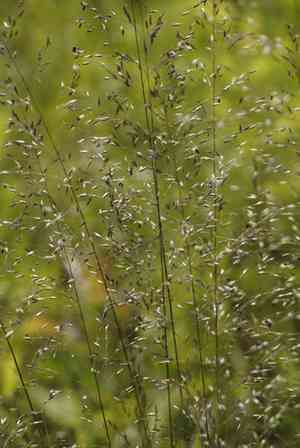
The optimal period for relocating prairie Dropseed is from the mild warmth of late spring through midsummer, allowing roots to anchor in heated earth. Select a location bathed in sunlight with soil that drains effectively. Careful manipulation and sufficient hydration following the move are crucial for successful establishment.
What Preparations are Needed Before Transplanting Prairie Dropseed?
What is the Ideal Time for Transplanting Prairie Dropseed?
The optimal period for relocating prairie Dropseed spans from late spring to mid-summer, providing a gentle mix of warm soil and sufficient development time prior to winter. Moving prairie Dropseed during this interval promotes root establishment, utilizing the season's consistent warmth and extended daylight hours for prime growth. Seize this opportunity, as the favorable climate can lessen transplant shock, giving prairie Dropseed the best chance to flourish in its new spot. Precisely timed with nature's rhythm, this approach enhances the plant's vitality for a lush, robust presence in your garden.
How Much Space Should You Leave Between Prairie Dropseed Plants?
When planting prairie Dropseed, you'll need to allow each plant ample room to expand. A good guideline is to space your plants approximately 2-3 feet (60-91 cm) apart. This will ensure they have sufficient area to spread without becoming overcrowded.
What is the Best Soil Mix for Prairie Dropseed Transplanting?
The soil for prairie Dropseed should be well-drained and rich in nutrients. Incorporating compost or a foundational fertilizer into your soil before planting can help supply the nourishment your plant requires to thrive. Sandy or gravelly soil can also work very well!
Where Should You Relocate Your Prairie Dropseed?
When searching for the perfect location to plant prairie Dropseed, consider its sunlight needs. Prairie Dropseed thrives with ample sunshine, so select a sunny or partially sunny spot where it will receive plenty of light throughout the day.
What Equipments Should You Prepare Before Transplantation Prairie Dropseed?
Gardening Gloves
It's crucial to safeguard your hands when working with soil and plants. These are particularly useful for protection against any sharp edges or hidden dangers in the soil.
Shovel or Spade
These tools are essential for excavating the prairie Dropseed from its original site and preparing the new planting hole. Opt for one with a sharp edge, which facilitates digging.
Watering Can or Hose
You'll require a significant amount of water both before and after transplanting to ensure optimal plant health. It's especially important to moisten the soil when removing the plant and to water the plant thoroughly in its new location.
Wheelbarrow
This item is optional but can be extremely beneficial if you're transporting the prairie Dropseed plant a considerable distance. It can also be used to blend garden soil with compost before backfilling the planting hole.
Compost
Mix with the existing soil to create an ideal environment for the prairie Dropseed plant's roots. Compost enhances soil structure and delivers essential nutrients for the plant's vigorous growth.
How Do You Remove Prairie Dropseed from the Soil?
How Do You Remove Prairie Dropseed from the Soil?
From the Ground: Initially, hydrate the prairie Dropseed plant to moisten the soil. Use a shovel or spade to excavate a wide trench around the plant. Ensure you dig deep enough to keep the plant's root ball intact. Gently work the spade beneath the root ball to lift the plant. Try to retain as much soil around the roots as possible to lessen the shock of transplantation. From a Pot: First, water the plant thoroughly to help the roots easily slide out of the pot. Turn the pot sideways, hold the prairie Dropseed plant gently by its base, and tap the bottom of its pot until the plant emerges. From a Seedling Tray: Water the prairie Dropseed seedlings before extraction. Gently grasp the seedling by its leaves (not the stem) and push up from the bottom of the cell to remove it. If the seedlings are too tightly packed in the tray, you can use a spoon or similar utensil to aid in their removal.
Step-by-Step Guide for Transplanting Prairie Dropseed
Digging
Excavate a hole that is twice the width and the same depth as the root ball of the prairie Dropseed plant. Combine the removed soil with compost in a wheelbarrow or on a tarp.
Preparing the Plant
Carefully remove as much of the old soil from the roots as possible. If the roots are intertwined, gently untangle them with your fingers.
Planting
Position the prairie Dropseed plant in the center of the prepared hole. Ensure that the top of the root ball is level with or slightly above the surrounding soil to prevent water accumulation.
Backfilling
Fill the hole with the compost-soil mixture, gently pressing it around the plant. Create a small depression around the base of the plant to help retain water.
Watering
Thoroughly water the plant after transplanting. Make sure the water penetrates deeply into the soil to reach all of the plant's roots.
How Do You Care For Prairie Dropseed After Transplanting?
Watering
Regularly check the soil around the prairie Dropseed with your finger to assess its moisture level. Water the prairie Dropseed as needed, when the surrounding soil feels dry to the touch. Avoid overwatering the plant, as excessive moisture can be just as harmful as insufficient water.
Pruning
If the prairie Dropseed plant exhibits signs of shock after transplantation, such as wilting or browning, trimming off the affected areas will help redirect more energy towards root growth and establishment.
Weeding
Periodically inspect the transplanted prairie Dropseed plant for weeds and remove them promptly. Weeds can deplete valuable nutrients intended for your plant.
Monitoring
Keep a close watch for pests, diseases, or any irregularities in the prairie Dropseed plant's health. Detecting these early can be vital for preventing damage and ensuring successful growth.
Troubleshooting Common Issues with Prairie Dropseed Transplantation.
When is the best time to transplant prairie Dropseed?
The optimal period to transplant prairie Dropseed is during their S3-S5 growth phase. This typically occurs from late summer through autumn.
What's the recommended spacing when transplanting prairie Dropseed?
For optimal growth, prairie Dropseed should be planted approximately 2-3 feet (60-90 cm) apart. This provides sufficient room for their full development while minimizing competition for resources.
How deep should I plant prairie Dropseed while transplanting?
Place prairie Dropseed in the transplanting hole at the same depth it was in its previous location. Remember that planting too deep or too shallow can harm the plant.
What soil condition does prairie Dropseed prefer for transplanting?
Prairie Dropseed adapts well to various soil types; however, it thrives best in well-draining soil. Excessively waterlogged soil can lead to root rot.
How frequently should I water prairie Dropseed after transplanting?
After transplanting, prairie Dropseed requires consistent watering until established. Once mature, it is drought-tolerant and only needs occasional watering in extremely dry conditions.
How much sun exposure does prairie Dropseed need after transplanting?
Prairie Dropseed prefers full sun, but can tolerate partial shade. Ensure it receives at least 6 hours of direct sunlight daily for balanced growth.
Can I use fertilizer while transplanting prairie Dropseed?
Yes, a general-purpose garden fertilizer can be applied when transplanting prairie Dropseed. Although prairie Dropseed isn't particularly demanding, it will benefit from the nutrient boost.
What should I do if the transplanted prairie Dropseed shows signs of wilting?
Wilting might indicate stress from transplantation. Keep the soil moist, ensure proper sun exposure, and consider using a root stimulator to encourage resilience and recovery.
How can I protect transplanted prairie Dropseed from pests and diseases?
Keep the area around prairie Dropseed free of debris to reduce disease risk. For pests, consider using organic or synthetic controls if a problem arises.
What care is required for prairie Dropseed in the initial days after transplanting?
In the initial days after transplanting, prairie Dropseed requires frequent watering, protection from extreme weather conditions, and regular monitoring for signs of stress or pest issues.



