How to Transplant Alkali sacaton?
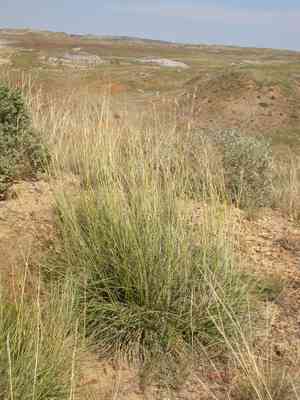
The optimal period for relocating alkali sacaton is in mid-spring, facilitating strong root development prior to the warmth of summer. Choose locations with ample sunlight and soil that drains effectively; should crowded clusters hinder development, contemplate separation for renewed vigor.
Essential Preparations Before Relocating Alkali Sacaton
Optimal Timing for Alkali Sacaton Relocation?
For alkali sacaton, the prime period for root establishment is during mid-spring. The stable conditions of this season promote alkali sacaton's successful integration, ensuring a smooth transition to its new site. Moving it when the soil is warm and manageable, yet prior to summer's intense heat, enables alkali sacaton to develop resilience and thrive.
Required Spacing Between Alkali Sacaton Plants?
When moving alkali sacaton, remember to maintain appropriate separation between individual plants. Ideally, aim for a distance of approximately 1-2 feet (30-60 cm). This guarantees ample room for each plant's development.
Best Soil Blend for Alkali Sacaton Relocation?
Prepare the soil using a foundation of well-draining sandy or loamy soil, as alkali sacaton prefers these types. Additionally, enrich it with a slow-release fertilizer to give your plant an excellent start.
Where to Replant Your Alkali Sacaton?
Select a spot with abundant sunlight; alkali sacaton thrives in sun. Also, ensure the location receives sufficient light throughout the day; ideally, more sunlight is better for this plant's growth.
Equipment Needed Before Transplanting Alkali Sacaton
Gardening Gloves
To safeguard your hands while digging, pulling, and handling vegetation and root systems.
Shovel or Spade
To excavate the plant from its initial position.
Trowel
To create the perfectly sized hole in the new spot where the plant will be moved.
Soil Knife
To sever roots, if necessary, when extracting the plant from its original location.
Garden Fork
To gently lift the plant from the ground, container, or seedling tray without harming the roots.
Wheelbarrow
To transport the plant to its new destination.
Watering Can
To thoroughly moisten the root ball before transplanting and to water the plant after it has been moved.
Garden Hose
To keep the surrounding soil damp after the plant has been relocated.
How to Extract Alkali Sacaton from the Soil?
How to Extract Alkali Sacaton from the Soil?
From Ground: First, hydrate your alkali sacaton plant to soften the earth and facilitate its removal. Next, carefully dig a trench around the plant with a shovel or spade, keeping the root ball intact. Avoid damaging the roots; proceed gently. Now, use a garden fork to carefully lift it from the ground.From Pot: Again, begin by watering your alkali sacaton plant to ease its removal from the container. Then, try to carefully slide it out. Sometimes, roots might adhere to the pot, so be cautious not to break them. In the worst-case scenario, you might need to break the pot to extract the plant.From Seedling Tray: Typically, an alkali sacaton seedling is simpler to remove from a seedling tray. Use a soil knife or a similar implement to gently dislodge the plant from its cell. Be sure not to pull it by its stem to prevent plant damage.
Step-by-Step Guide for Relocating Alkali Sacaton
Preparation
Moisten the root ball of your alkali sacaton plant before commencing the relocation. Also, prepare the new planting site. It should be wider than the actual root ball but not deeper.
Plant Placement
Carefully position the alkali sacaton plant into the hole. The top of the root ball should be level with the surrounding ground.
Backfilling
Refill the hole with the original excavated soil. Gently pat it down with your hands to eliminate any potential air pockets.
Watering
Thoroughly water the area. However, be careful not to overwater, which could lead to root rot.
Post-Transplant Care for Alkali Sacaton
Monitoring
Regularly check on your alkali sacaton to ensure it is adjusting well to its new surroundings. Pay close attention to any alterations in the color and texture of its leaves and stem.
Mulching
Apply a layer of organic mulch around the base of your alkali sacaton, but not touching the stem, to deter weed growth and help retain soil moisture.
Pruning
Trim any damaged or diseased portions from your alkali sacaton to encourage healthy development.
Protection
Watch out for pests and diseases. If you notice anything unusual, try to identify the cause and do your best to eliminate it. Always favor organic and eco-friendly solutions, if possible.
Resolving Common Issues with Alkali Sacaton Relocation.
When is the optimal time to move alkali sacaton?
The best time to relocate alkali sacaton is during the S2-S3 growing season, also known as late summer to early fall.
What spacing is needed between each alkali sacaton when planting?
You should allow approximately 1-2 feet (30.5 - 60.9 cm) of space between each alkali sacaton plant to ensure robust growth.
What are typical problems when relocating alkali sacaton?
Common issues include excessive watering, insufficient sunlight, incorrect planting depth, and inadequate spacing between plants.
My alkali sacaton looks unwell after transplant. What could be the issue?
If your alkali sacaton appears unhealthy, it might be due to transplant shock, lack of water, or possibly an infection.
How long does alkali sacaton take to establish after relocation?
Alkali sacaton typically requires about 2-3 weeks to become established after being moved.
What steps should I take to help alkali sacaton survive after transplanting?
Provide alkali sacaton with ample water, ensure it receives sufficient sunlight, and maintain a good distance (1-2 feet / 30.5 - 60.9 cm) between plants.
Can alkali sacaton be moved in any season?
No, the ideal time to relocate alkali sacaton is late summer to early fall. Moving it in other seasons could cause unnecessary stress for the plant.
What are indicators of a successful relocation for alkali sacaton?
Signs of successful transplanting include new, healthy leaf growth, strong root development, and an absence of yellowing or wilting.
Why is my relocated alkali sacaton wilting?
Wilting often signals water stress, either from over- or under-watering, or it could be due to transplant shock. Try adjusting your watering schedule.
Can I relocate a mature alkali sacaton?
Yes, but be aware that it can be more challenging as mature plants are less adaptable to relocation. Ensure you take as much of the root ball as possible.



