How to Transplant Frost grass?
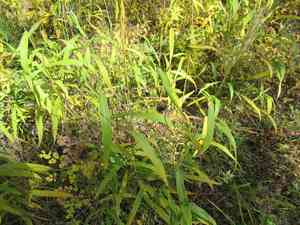
The optimal period for transplanting frost grass is from the mild warmth of late spring through the initial decline of summer; this timing guarantees root development before winter's arrival. Select a sunny location featuring soil that drains effectively to foster frost grass's complete growth.
What Preparations are Needed Before Transplanting Frost Grass?
What is the Ideal Time for Transplanting Frost Grass?
The best time to move frost grass is from late spring to early summer. This period is perfect as it comes after the last frost, protecting frost grass from freezing temperatures that can harm root development. Transplanting then uses the warmth and longer days, giving frost grass plenty of time to grow strong roots. Natural rainfall is usually plentiful, providing essential moisture for new transplants to thrive. This favorable time also comes before the intense midsummer heat that can stress young plants. Ensuring a smooth transition during this period guarantees frost grass adapts well, leading to vibrant foliage and vigorous growth in the seasons ahead.
How Much Space Should You Leave Between Frost Grass Plants?
When relocating frost grass, allow each plant sufficient room to thrive by placing them approximately 12 inches to 3 feet (30 cm to 91 cm) apart. This ensures they have adequate space for growth and nutrient absorption without becoming overcrowded.
What is the Best Soil Mix for Frost Grass Transplanting?
Prepare an optimal environment for frost grass with well-draining soil, rich in organic material. Incorporate a balanced, slow-release fertilizer to give frost grass an excellent start. This will aid in developing strong roots and vibrant growth.
Where Should You Relocate Your Frost Grass?
Choose a sunny location in your garden where frost grass can enjoy full to partial sunlight. Aim for an area that receives at least 4-6 hours of direct sun daily to keep your frost grass thriving and healthy.
What Equipments Should You Prepare Before Transplantation Frost Grass?
Gardening Gloves
To safeguard your hands while handling soil and plants.
Shovel or Spade
For excavating the frost grass plant and preparing the new planting site.
Watering Can or Hose
To hydrate the plant before and after its relocation.
Wheelbarrow or Garden Cart
To move the frost grass plant from one spot to another if necessary.
Garden Fork
To loosen the soil surrounding the plantâs root system.
Pruning Shears
To trim any damaged roots or foliage as needed.
Mulch
To help maintain soil moisture and regulate temperature after transplanting.
Measuring Tape
To ensure correct spacing between plants if planting multiple specimens.
How Do You Remove Frost Grass from the Soil?
How Do You Remove Frost Grass from the Soil?
From Ground: First, hydrate the frost grass plant to moisten the soil. Next, excavate a wide trench around the plant using a shovel or spade, ensuring the plant's root ball remains intact. Carefully work the spade beneath the root ball to gently lift the plant from its original position.From Pot: Water the frost grass in its container to ensure the soil is damp. Turn the pot on its side and gently tap or roll it to loosen the root ball. Grasp the plant's base and carefully ease it from the pot, keeping the root ball as whole as possible.From Seedling Tray: Water the seedlings thoroughly to ensure the soil is moist. Use a gardening tool like a dibber or a small fork to carefully remove the seedlings from the tray, being sure to handle them by the leaves rather than the delicate stems to minimize damage.
Step-by-Step Guide for Transplanting Frost Grass
Prepare the New Location
Select an appropriate site, considering the mature size of the frost grass. Once chosen, dig a hole twice as wide as the root ball and of the same depth, so the plant sits at its original soil level.
Inspect the Root Ball
Before transplanting, examine the root ball of the frost grass and trim any broken or damaged roots with pruning shears.
Placing the Plant
Gently place the frost grass plant into the hole, positioning it upright and centered. Backfill the hole with the excavated soil, and firm the soil around the plant to remove air pockets.
Water Thoroughly
Immediately after transplanting, provide a deep watering to settle the soil and encourage roots to grow into their new environment.
Mulch Application
Apply a layer of mulch around the base of the frost grass but avoid it touching the stem. This will help maintain soil moisture and protect the root system.
How Do You Care For Frost Grass After Transplanting?
Monitoring
Observe your frost grass for indications of stress such as wilting leaves or discoloration and address any issues promptly.
Supporting Stems
If the transplanted plant is tall or has a weak stem, provide a stake or other support to prevent it from bending or breaking.
Pruning
Prune only the necessary parts of the plant to remove any damaged or diseased foliage or branches to redirect energy to the roots.
Adjustment Period
Allow your frost grass some time to adapt to its new location before expecting vigorous growth. Be patient as it adjusts and take care not to over-fertilize.
Troubleshooting Common Issues with Frost Grass Transplantation.
When is the best time to transplant frost grass?
The optimal period for transplanting is from late spring to early summer.
How do I prepare the soil for frost grass?
Cultivate the soil to a depth of 10 inches (25 cm), incorporating organic matter for good drainage.
What's the ideal distance between frost grass when transplanting?
Space them apart between 12 inches to 3 feet (30 cm to 91 cm) to allow ample growth room.
How much should I water frost grass after transplanting?
Water thoroughly post-transplanting, then maintain moderate moisture until established, avoiding waterlogging.
Why are my transplanted frost grass wilting?
Wilting can signify under-watering, over-watering, or transplant shock. Adjust care accordingly and be patient.
Should I prune frost grass before transplanting?
Light pruning of dead or damaged foliage can help reduce transplant stress and encourage new growth.
How deep should I plant frost grass?
Set the plant in the ground at the same depth it grew previously, which is usually apparent on the stem.
What sunlight conditions are ideal for frost grass after transplanting?
Provide frost grass with full sun to partial shade to ensure proper growth and establishment.
Can I transplant frost grass during hot, summer days?
Transplanting during cooler parts of the day and not during the extreme heat is preferable for frost grass's survival.
How do I know if frost grass is established after transplanting?
Establishment is evident when frost grass shows new growth and can handle periods without your frequent watering.



