How to Transplant Japanese meadowsweet?
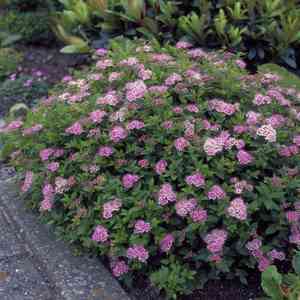
The most suitable periods for relocating japanese meadowsweet extend from the agreeable middle of spring through the onset of summer's warmth. Select a site featuring soil that drains effectively and receives either partial or complete sunlight. Should it be required, integrate organic material during the transplanting process to enhance the soil and foster robust development.
Essential Preparations Before Relocating Japanese Meadowsweet?
Optimal Period for Relocating Japanese Meadowsweet?
The best time to move japanese meadowsweet is during the pleasant mid-spring to early summer. This period offers ideal warmth and moisture, fostering robust root development and a flourishing plant.
Recommended Spacing Between Japanese Meadowsweet Plants?
When relocating your japanese meadowsweet, it's crucial to provide ample room for each plant to expand. A suitable distance is approximately 4-6 feet (1.2-1.8 meters) apart. This ensures optimal development and blooming.
Ideal Soil Blend for Japanese Meadowsweet Relocation?
Japanese meadowsweet thrives in soil that drains effectively. Incorporating organic matter, such as compost or aged manure, is beneficial for enhancing soil structure. Begin by adding a balanced, slow-release fertilizer to the planting hole to support your plant's growth.
Where to Replant Your Japanese Meadowsweet?
When moving your japanese meadowsweet, select a spot with abundant sunlight, as it prefers about 6-8 hours of direct sun daily. However, in hot climates, providing light afternoon shade will help your plant remain healthy and vibrant.
Equipment Needed Before Relocating Japanese Meadowsweet?
Gardening Gloves
To safeguard your hands while handling soil and the plant.
Shovel or Spade
For excavating the appropriate-sized hole for the rootball and extracting the plant from its original spot.
Trowel
For placing the japanese meadowsweet in its new location and adjusting planting depth as needed.
Watering Can
To hydrate the japanese meadowsweet plant both before and after its relocation.
Mulch
To aid in retaining soil moisture and inhibiting weed growth around the japanese meadowsweet plant.
Garden Fork
To help loosen the soil at the new planting site, improving drainage, and facilitating root establishment.
How to Extract Japanese Meadowsweet from the Ground?
How to Extract Japanese Meadowsweet from the Ground?
- From Ground:First, moisten the soil around the japanese meadowsweet plant. Then, dig a wide trench around the plant using a shovel or spade, ensuring the plant's root ball stays intact. Carefully work the spade beneath the root ball to lift the plant from its initial position.- From Pot:Water the japanese meadowsweet plant and allow it to drain for a few minutes. Gently lay the pot on its side and carefully slide the plant out, keeping the root ball and soil together. If the plant is stuck, you might need to gently tap the pot edges to loosen the roots.- From Seedling Tray:Water the japanese meadowsweet seedlings to ensure the soil is damp. Using a trowel or your fingers, carefully lift each seedling from its cell, supporting the root ball to prevent damage.
Step-by-Step Guide for Relocating Japanese Meadowsweet
Site Evaluation
Assess the chosen spot to confirm it meets the sunlight and space requirements for the japanese meadowsweet plant.
Soil Preparation
Using a garden fork, loosen the soil at the new planting site to enhance drainage and root establishment.
Excavation
Dig a hole twice the width of the japanese meadowsweet plant's root ball and slightly deeper, forming a small mound at the base of the hole for the roots to rest upon.
Placement
Position the japanese meadowsweet plant in the hole, ensuring the root ball rests on the mound, and the top of the rootball is level with the surrounding soil surface.
Backfill
Gently refill the hole with soil, making sure there are no air pockets and the root ball is completely covered.
Hydration
Thoroughly water the japanese meadowsweet plant after relocation to settle the soil and aid root establishment.
Mulching
Apply a layer of mulch around the japanese meadowsweet plant to help retain soil moisture and suppress weed growth.
Post-Relocation Care for Japanese Meadowsweet?
Watering
Keep the soil around the japanese meadowsweet consistently moist, but not waterlogged, for the initial weeks after relocation to help establish strong roots.
Pruning
Regularly trim the japanese meadowsweet plant to maintain its form and encourage new growth.
Observation
Watch for any indications of stress or pest infestations, addressing issues promptly to ensure your japanese meadowsweet plant thrives in its new environment.
Fertilizing
Apply a slow-release fertilizer during the growing season to provide the japanese meadowsweet with the necessary nutrients for successful growth.
Resolving Common Issues with Japanese Meadowsweet Relocation.
When is the best time to relocate japanese meadowsweet?
The ideal season for moving japanese meadowsweet is mid-spring to early summer, when the weather is milder and the soil is workable.
What is the correct spacing for relocating japanese meadowsweet?
Space japanese meadowsweet plants approximately 4-6 feet (1.2-1.8 meters) apart to encourage healthy growth and prevent overcrowding.
What soil type is best for relocating japanese meadowsweet?
Japanese meadowsweet thrives in well-draining soil with a sand/loam mixture. A slightly acidic to neutral pH (6-7) is optimal.
How much sunlight does japanese meadowsweet require after relocation?
Plant japanese meadowsweet in a location with full sun to partial shade, receiving at least 4-6 hours of sunlight daily.
How deep should I plant japanese meadowsweet when relocating?
Dig a hole deep enough to accommodate the root ball, typically 10-12 inches (25-30 cm) deep, maintaining the same depth as in its previous spot.
Should I prune japanese meadowsweet before relocating?
Yes, lightly prune japanese meadowsweet to promote branching and neat growth. Remove any dead or diseased branches prior to relocation.
How often should I water japanese meadowsweet after relocating?
Water japanese meadowsweet thoroughly after relocation, then maintain consistent moisture, watering deeply every 1-2 weeks, depending on soil type and weather.
Do I need to apply fertilizer when relocating japanese meadowsweet?
Yes, apply a balanced all-purpose fertilizer at the time of relocation to support a healthy start and encourage root development.
How can I ensure japanese meadowsweet develops a strong root system?
Water consistently, maintain appropriate spacing, and provide sufficient nutrients to foster a robust root system and healthy growth.
What if japanese meadowsweet's leaves are wilting after relocation?
Ensure proper watering and soil drainage. If wilting persists, check for diseases or pests, and treat as necessary.



