How to Transplant Chinese wedelia?
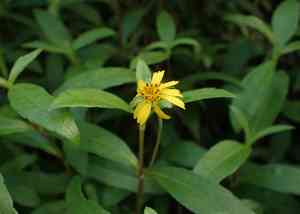
Embark on a thriving journey with chinese wedelia! The ideal period for relocation is the season of rejuvenation, generally from early to mid-spring. Select a brightly lit location with adequately draining earth to foster vigorous development. If necessary, amend the soil prior to moving for superior adaptation.
What Preparations are Needed Before Transplanting Chinese Wedelia?
What is the Ideal Time for Transplanting Chinese Wedelia?
The optimal period for relocating chinese wedelia is during the initial vigor of early to mid-spring. This timing allows chinese wedelia to establish itself prior to the peak summer heat. Rooting in this season of rejuvenation offers chinese wedelia ample time to adjust to its new surroundings, utilizing the moderate temperatures for prime development. Embracing spring's natural growth cycle, chinese wedelia benefits from increased daylight and gentle rainfall, ensuring a smooth transition and a strong base for thriving throughout the year.
How Much Space Should You Leave Between Chinese Wedelia Plants?
For transplanting chinese wedelia, please allow approximately 1-2 feet (30-60 cm) of space between each plant. This will promote healthy development and efficient nutrient absorption.
What is the Best Soil Mix for Chinese Wedelia Transplanting?
Sandy or loamy soil is preferred for successfully cultivating chinese wedelia. Make an earnest effort to blend base fertilizer with the soil before transplanting to supply essential nutrients.
Where Should You Relocate Your Chinese Wedelia?
Chinese wedelia thrives in abundant sunlight. Select a location that receives at least 6 to 8 hours of sun daily. A bright corner of your garden would be perfect!
What Equipments Should You Prepare Before Transplantation Chinese Wedelia?
Spade or Shovel
You'll use this tool to excavate the existing ground for removing the chinese wedelia plant from its current spot and preparing the new planting hole.
Gardening Gloves
To safeguard your hands while handling the soil and the plant.
Wheelbarrow or Bucket
To transport the plant from its original position to the designated new area in your garden.
Garden Hose or Watering Can
To hydrate the plant and soil both before and after the transplant.
Gardening Trowel
For delicate tasks, such as gently separating the plant from a pot or seedling tray, and placing it in its new location.
Burlap Cloth or Old Towel
To carefully wrap around the root ball of the chinese wedelia plant during relocation to minimize damage.
How Do You Remove Chinese Wedelia from the Soil?
How Do You Remove Chinese Wedelia from the Soil?
From Ground: Start by watering the chinese wedelia plant to moisten the soil, which will facilitate digging and reduce root damage. Using your spade or shovel, dig a wide trench around the plant, being careful to leave the plant's root ball undisturbed. Gently lift the plant from its current spot. Once removed, place the plant on the burlap cloth to protect its roots during transit.From Pot: First, water your chinese wedelia plant while still in its pot to loosen the soil. Tilt the pot sideways, and, with your hand at the base of the plant, gently extract it. If the plant is stuck or root-bound, you might need to run a knife along the inside of the pot to free it. Once removed, handle it with care to prevent root damage.From Seedling Tray: Water the tray to soften the soil. Gently ease out the seedling by pushing up from the bottom of the tray. If they resist, use a gardening trowel to help lift them out without harming the roots.
Step-by-Step Guide for Transplanting Chinese Wedelia
Hole Preparation
Excavate a hole that is approximately twice as wide and the same depth as the chinese wedelia plant's root ball. This will provide ample room for the roots to spread and grow.
Place the Plant
Carefully position the chinese wedelia plant in the center of the hole. The top of the root ball should be level with or slightly above the ground surface. This placement ensures good air circulation and water drainage.
Backfill the Hole
Gradually refill the hole with the original soil, gently firming it around the root ball to eliminate air pockets.
Watering
Water thoroughly using a garden hose or watering can to help the soil settle. Some additional soil may be needed after watering.
How Do You Care For Chinese Wedelia After Transplanting?
Watering
During the initial weeks following transplanting, ensure the soil around the chinese wedelia plant remains moist, but not waterlogged, to aid in establishing strong roots.
Pruning
Remove any dead or damaged foliage to help the plant direct its energy towards new growth and recovery after the transplant.
Monitoring
Keep a close watch on the progress of your chinese wedelia. Regularly check for indications of transplant shock, such as wilting, yellowing, or dropped leaves, and address them promptly.
Troubleshooting Common Issues with Chinese Wedelia Transplantation.
When is the ideal time to transplant chinese wedelia?
The perfect time to relocate chinese wedelia is during the S1-S2 transition. This period offers ideal conditions for the plant and promotes good rooting and growth.
What should be the ideal spacing when transplanting chinese wedelia?
When arranging chinese wedelia, make sure to leave distance between each plant. Ideally, each should be spaced 1-2 feet (30-60 cm) apart to ensure proper growth.
What is the proper step-by-step process to transplant chinese wedelia?
Start by digging a hole as deep as the root ball and twice as wide. Place the chinese wedelia in the hole, cover it with soil, providing necessary spacing. Water it thoroughly.
Is the post-transplant care critical for chinese wedelia?
Absolutely! Chinese wedelia requires adequate care post-transplant. Consistent watering is essential, especially during the first few weeks, to ensure successful rooting and thriving growth.
Should the chinese wedelia be pruned before transplanting, and if so, how?
Pruning isn't always necessary before transplanting. However, you can lightly trim it to maintain shape or to stimulate new growth.
How often should chinese wedelia be watered after transplanting?
Water the chinese wedelia regularly for the first few weeks post-transplant. Depending on climate, once or twice a week should be enough to keep the soil moist but not saturated.
How can I determine if my chinese wedelia has been successfully transplanted?
Signs of successful transplanting include new growth, no wilting, and a healthy green color. If you notice these traits, your transplantation has likely been successful.
What if my chinese wedelia starts wilting after transplant?
If chinese wedelia starts wilting post-transplant, it might be transplant shock. Keep it hydrated and give it some time. If the condition persists, consider seeking professional advice.
Can chinese wedelia survive if the roots get damaged while transplanting?
Damage to the root may cause stress to chinese wedelia and hinder its growth. Nonetheless, with proper care and attention, it can recover and thrive again.
Should I add any special nutrients after successfully transplanting chinese wedelia?
It's beneficial to add compost or a slow-release fertilizer after transplanting. However, chinese wedelia isn't too picky and generally does well without additional nutrients post-transplant.



