How to Transplant Johnson grass?
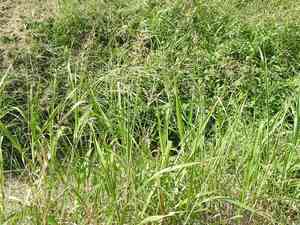
For the vigorous johnson grass, relocating it is most successful in the mild warmth of mid to late spring, providing a good mix of moderate temperatures and sufficient development period. Choose a bright spot with soil that drains effectively and ensure johnson grass has ample room to thrive.
What Preparations are Needed Before Transplanting Johnson Grass?
What is the Ideal Time for Transplanting Johnson Grass?
The optimal period for relocating johnson grass is during mid to late spring. This timeframe provides moderate temperatures, essential for root establishment without the immediate stress of summer heat. Moving johnson grass at this time maximizes root development and plant resilience, setting the stage for vigorous growth. A friendly reminder: this timing helps ensure a smooth transition for johnson grass to its new location, fostering strong growth and ensuring your gardening efforts succeed!
How Much Space Should You Leave Between Johnson Grass Plants?
When planting your johnson grass, ensure a spacing of 2-4 feet (0.6-1.2 meters) between each plant. This provides ample room for them to flourish without competing for vital nutrients.
What is the Best Soil Mix for Johnson Grass Transplanting?
Your johnson grass will thrive in well-drained soil with a slightly acidic to neutral pH. Prepare the ground by incorporating organic compost or aged manure, which will act as a natural and beneficial fertilizer for the plant.
Where Should You Relocate Your Johnson Grass?
Select a site that receives abundant sunlight, as your johnson grass requires full sun exposure. While it can endure some shade, it definitely prefers a generous amount of sunshine!
What Equipments Should You Prepare Before Transplantation Johnson Grass?
Shovel or Garden Spade
This tool will be necessary for digging around the johnson grass's root ball in both its original and new positions.
Gardening Gloves
To safeguard your hands while handling the soil and the johnson grass plant.
Garden Cart or Wheelbarrow
For transporting the plant from its initial spot to its new location in the garden.
Watering Can
It is essential to water the johnson grass both prior to and following transplantation.
Mulch
This will aid in retaining moisture and deterring weeds after transplanting.
How Do You Remove Johnson Grass from the Soil?
How Do You Remove Johnson Grass from the Soil?
From Ground: Start by watering the johnson grass to make the soil moist and easy to work with. Then, using a shovel or spade, dig a wide trench around the johnson grass, ensuring the root ball remains intact. Once completed, carefully lift the plant from its original location with the spade.From Pot: For johnson grass grown in a pot, water the plant thoroughly beforehand. Then, turn the pot on its side and gently slide the johnson grass out, holding it by its base and not the stem. Be careful to keep the root ball undisturbed.From Seedling Tray: If the johnson grass is in a seedling tray, water it first so the root ball stays together. Invert the tray and gently press the bottom to release the plant. Remember to support the root ball carefully to prevent it from breaking apart.
Step-by-Step Guide for Transplanting Johnson Grass
Preparation
Before commencing the transplanting process, water the johnson grass thoroughly. This will facilitate easier removal of the plant and minimize transplant shock.
Digging
Use a spade or shovel to excavate a hole in the chosen site. The hole should be twice the width and the same depth as the johnson grass's root ball.
Transplanting
Position the johnson grass plant into the hole. Carefully adjust the plant so its base is level with the ground.
Filling In
Backfill the hole with the removed soil, gently pressing around the plant's base to secure it. Ensure the base of the johnson grass is at the same level as the surrounding soil.
Watering
Water the johnson grass thoroughly after planting, ensuring the soil is uniformly moist.
How Do You Care For Johnson Grass After Transplanting?
Watering
Water the johnson grass plant thoroughly after transplanting. For the initial few weeks, maintain consistently moist soil. This will help the plant develop strong roots.
Weeding
Ensure regular removal of any weeds growing near the johnson grass as they can compete for resources.
Mulching
Apply a generous layer of mulch around the plant's base. This will help retain moisture and suppress weed growth.
Monitoring
Closely observe the johnson grass for the first few weeks post-transplant. Yellowing leaves or wilting can indicate stress. Prompt corrective actions may be necessary.
Troubleshooting Common Issues with Johnson Grass Transplantation.
When is the best time to transplant johnson grass?
The optimal time to transplant johnson grass is in S2 to S3 stage, during cooler parts of the year to help johnson grass establish more effectively.
What is the ideal spacing for johnson grass after transplanting?
As johnson grass grows quite dense, maintain a spacing of 2-4 feet (0.6-1.2 meters) between each plant. This promotes healthier and more sustainable growth.
Why is my transplanted johnson grass not growing well?
Johnson grass may not be growing due to unsuitable soil pH, improper spacing, or inadequate watering. It's important to maintain moisture but avoid waterlogging.
How much sunlight does my transplanted johnson grass need?
Johnson grass prefers full sunlight but can tolerate partial shade. However, less sunlight might slow growth and reduce vigor.
What kind of soil is best for my transplanted johnson grass?
Johnson grass is adaptable to many soil types but ideally, it thrives in well-drained soil with a pH range of 6.0 to 7.0.
Is fertilizer necessary after transplanting johnson grass?
Yes. Following transplantation, you should apply fertilizer. It's recommended to use a balanced fertilizer such as a 10-10-10 solution to promote healthy growth.
How do I choose a good transplanting site for johnson grass?
Choose a site that offers full sun and where the soil has good drainage. Avoid transplanting johnson grass near structures where it can spread uncontrollably.
How long after transplanting will johnson grass start to grow?
Johnson grass will begin to show new growth one to two weeks after transplanting, assuming care instructions are followed and conditions are optimal.
How do I control the spread of my transplanted johnson grass?
To control the spread of johnson grass, maintain proper spacing, regularly prune the plant, and remove any seed heads to prevent self-seeding.
Should I remove the flowers of my transplanted johnson grass?
It's not necessary to remove johnson grass flowers. However, removing them prevents seed formation, limiting the plant's potential to spread invasively.



