How to Transplant Korean mountain ash?
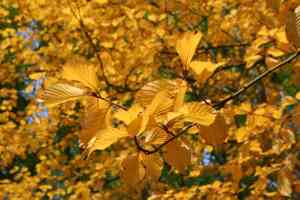
For korean mountain ash, undertake transplantation during the refreshing period of early to mid-spring; this schedule facilitates root development prior to the summer season. Select a location bathed in sunlight featuring soil that drains effectively. Apply mulch and provide sufficient hydration following the transplant to aid in its adaptation.
What Preparations are Needed Before Transplanting Korean Mountain Ash?
What is the Ideal Time for Transplanting Korean Mountain Ash?
The best time for moving korean mountain ash is during the rejuvenating period of mid to late spring, allowing for a smooth transition as nature awakens. This timing ensures korean mountain ash benefits from rising temperatures and adequate soil moisture, which are crucial for root establishment. By transplanting in this season, you'll give korean mountain ash a significant head start in growth, ensuring it flourishes with the extended period of mild weather. Relocating korean mountain ash when the environment is naturally renewing itself creates a supportive setting for new growth, enabling it to settle in before the rigors of summer heat or winter cold.
How Much Space Should You Leave Between Korean Mountain Ash Plants?
When planting korean mountain ash, ensure each young plant is spaced approximately 4-6 feet (1.2-1.8 meters) apart. This provides ample room for the plant to develop and expand as it matures.
What is the Best Soil Mix for Korean Mountain Ash Transplanting?
Transplant korean mountain ash into soil that drains effectively. Mix organic matter or compost into the soil prior to planting. This improves soil structure and supplies essential nutrients as a foundational fertilizer for your korean mountain ash.
Where Should You Relocate Your Korean Mountain Ash?
Select a site for korean mountain ash that receives full sun to partial shade. The plant will thrive best with at least 4-6 hours of direct sunlight daily. However, this plant can endure light shade if absolutely necessary.
What Equipments Should You Prepare Before Transplantation Korean Mountain Ash?
Shovel or Garden Spade
Utilized to excavate the korean mountain ash plant from its original spot and create a new hole at the destination.
Gardening Gloves
To safeguard your hands while handling soil and plants. You might encounter sharp objects or irritants that could harm your skin.
Watering Can or Hose
For hydrating the plant both before and after the relocation. Water helps mitigate the shock of transplanting.
Wheelbarrow
This is particularly useful for larger korean mountain ash plants to move them from their initial position to the new one.
Mulch
Applied after transplanting, it aids in retaining soil moisture.
Pruner or Secateurs
Essential for trimming away any damaged roots or branches.
How Do You Remove Korean Mountain Ash from the Soil?
How Do You Remove Korean Mountain Ash from the Soil?
From Ground: It's important to water the korean mountain ash plant the day before transplanting to facilitate easier removal. You should first dig a trench around the plant using a shovel or garden spade, ensuring the plant's root ball remains intact. Once this is done, carefully lift the spade beneath the root ball to extract the plant from its original location.From Pot: If the korean mountain ash is in a pot, turn it on its side and gently hold it at the base. Wiggle it carefully to slide it out of the pot. Make sure not to pull at the plant; keeping the root ball intact is crucial.From Seedling Tray: If the korean mountain ash is a seedling, thoroughly water the tray. Once the soil is moist, push the bottom of the tray under the seedling and gently pull it out by its leaves.
Step-by-Step Guide for Transplanting Korean Mountain Ash
Hydrate the Plant
It's vital to thoroughly water the korean mountain ash plant before beginning the transplant process. Well-hydrated roots handle transplant shock more effectively.
Digging
Using your shovel or spade, excavate a hole at the transplant site that is twice as wide and the same depth as the root ball of the korean mountain ash plant.
Preparation of the Plant
Take your pruner and carefully snip off any broken roots or branches. This will help the plant direct its energy towards new growth after transplanting.
Planting
Position the korean mountain ash plant in the new hole, ensuring it sits at the same depth as it was previously. Backfill the remaining space with soil.
Water
Water deeply immediately after planting to help the korean mountain ash plant settle into its new location.
Mulching
Apply a layer of mulch around the korean mountain ash plant. Mulch assists in retaining moisture and suppressing weeds.
How Do You Care For Korean Mountain Ash After Transplanting?
Regular Checks
During the initial weeks following transplanting, frequently inspect your korean mountain ash plant to confirm it's adapting well to its new surroundings. Specifically, look for signs of stress like wilted or discolored foliage.
Pruning
Remove any dead or unhealthy-looking branches. This improves the plant's appearance and allows it to allocate energy to new growth.
Watering
Keep the surrounding soil moist but ensure it's not waterlogged. Excessive watering can lead to root rot. Adjust based on weather conditions, watering more during dry spells and less on rainy days.
Mulching
Replenish the mulch as needed; it helps maintain soil moisture and control weeds.
Troubleshooting Common Issues with Korean Mountain Ash Transplantation.
When is the ideal time to transplant korean mountain ash?
The best period for korean mountain ash transplantation is mid-spring to early summer (S2-S3). This allows the plant ample time to recover before colder months arrive.
What space requirement does korean mountain ash need when transplanting?
Korean mountain ash roots require considerable room to spread. Ensure you plant them 4-6 feet (1.2 - 1.8 meters) apart for optimal growth and vitality.
Why is my newly transplanted korean mountain ash wilting?
Wilting can be attributed to transplant shock, a frequent issue when relocating perennials. Ensure the korean mountain ash is adequately watered, and its roots experienced minimal disturbance during transplantation.
How deep should I plant korean mountain ash during transplantation?
Dig a hole as deep as the root ball but twice its width. This promotes better root spread and helps the korean mountain ash establish faster in its new spot.
Does korean mountain ash need any specific soil condition for transplantation?
Korean mountain ash thrives in well-drained yet moist, humus-rich soil. It's crucial to ensure optimal soil conditions before transplantation to encourage robust growth.
Should I water korean mountain ash immediately after transplantation?
Yes, water korean mountain ash thoroughly right after transplanting. This aids in settling the soil and minimizing transplant shock. However, avoid waterlogging, which can cause root rot.
Can I use any fertilizer while transplanting korean mountain ash?
Yes, you can apply a slow-release, balanced fertilizer during transplantation. This supplies essential nutrients and helps korean mountain ash establish more quickly.
How to handle korean mountain ash when transplanting to avoid damage?
Handle korean mountain ash by its root ball, not the trunk or branches, to prevent damage. Always lift from underneath, supporting as much of the root system as possible.
Why are the leaves of my transplanted korean mountain ash turning yellow?
Yellow leaves can signal water stress or a nutrient deficiency. Ensure korean mountain ash receives sufficient water, and consider testing the soil for nutrient levels.
What's the aftercare for a transplanted korean mountain ash?
Keep the soil moist but not saturated, shield from strong winds, and provide a slow-release fertilizer. Regular checks for pests and diseases will also keep korean mountain ash in prime condition.



